
Top-10 Korean Products That Dominate the Global Market
Only a few decades ago, many Korean products were almost unknown outside Asia. Today, Korean brands and Korean made products are everywhere.
From smartphones and cars to skincare and instant noodles, South Korea transformed itself into one of the world’s strongest export countries in surprisingly little time. What makes Korea especially interesting globally is that its products are not successful in only one category.
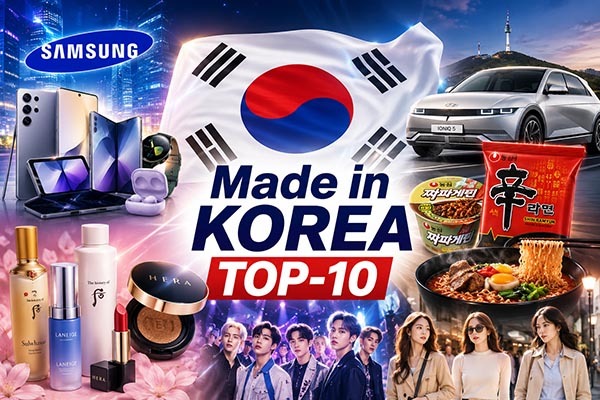
Korea became influential across technology, entertainment, beauty, food, fashion, healthcare, and lifestyle industries simultaneously. And unlike some countries known mainly for luxury or manufacturing alone, Korea built emotional global influence through products people use in daily life.
Many foreigners today interact with Korean products constantly without even realizing how deeply Korean brands entered global culture. Here are ten Korean products and industries that now dominate international markets and strongly influence consumer trends worldwide.

1. Korean Skincare and Cosmetics
K-beauty completely changed the global beauty industry. Years ago, Korean skincare was considered niche outside Asia. Today, Korean beauty products appear in major stores across America, Europe, Southeast Asia, and the Middle East.
The reason goes beyond marketing. Korean skincare focused heavily on prevention, hydration, layering, gentle ingredients, and skin health long before many Western brands adopted similar ideas.
Consumers also became attracted to Korean beauty because the products felt innovative yet affordable. Sheet masks, cushion foundations, ampoules, snail cream, sunscreen technology, and glass skin trends all became internationally associated with Korea. Today, many global beauty trends start in Seoul before spreading worldwide.
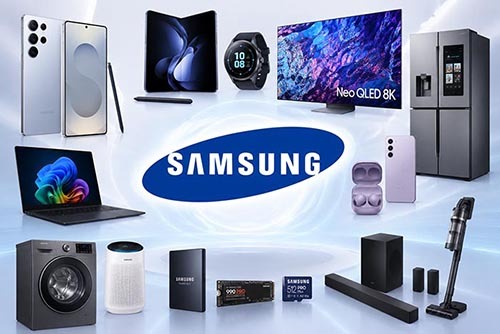
2. Samsung Smartphones and Electronics
No discussion about Korean products is complete without Samsung. Samsung became one of the world’s most powerful electronics companies through smartphones, televisions, semiconductors, home appliances, and display technology. What made Samsung globally successful was aggressive innovation combined with strong manufacturing ability.
For many consumers worldwide, Samsung represents Korea itself technologically. Even people who know little about Korean culture often interact with Korean technology daily through Samsung devices.

3. Hyundai and Kia Vehicles
Korean cars changed global perception dramatically over the last twenty years. In the past, some people viewed Korean vehicles mainly as affordable alternatives.
Today, Hyundai and Kia compete directly with global automotive giants in design, safety, electric vehicles, and technology innovation. Many younger consumers especially became attracted to Korean cars because they feel modern, stylish, technologically advanced, and competitively priced. Korean automotive design also improved massively over the past decade, helping reshape Korea’s image internationally.
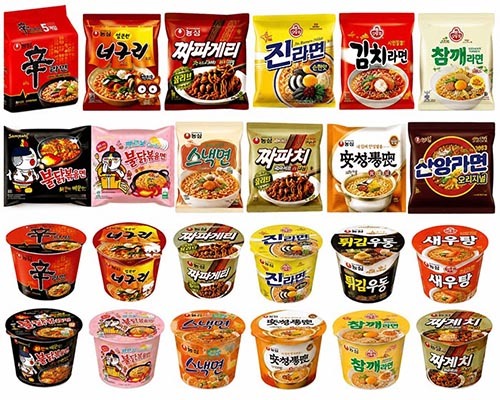
4. Korean Instant Noodles
Korean ramyeon became one of Korea’s most unexpectedly successful cultural exports. Brands like spicy instant noodles and Korean convenience foods exploded globally through social media and K drama exposure.
Part of the appeal comes from emotional atmosphere. Korean instant noodles became associated with comfort, late night eating culture, emotional scenes in dramas, and Korean daily life itself.
Today, Korean noodles are sold in supermarkets worldwide and became especially popular among younger consumers seeking bold flavors and viral food experiences.

5. Korean Fried Chicken Culture
Korean fried chicken became internationally famous because Korea reinvented an already familiar food category. Double frying techniques, flavorful sauces, crispy texture, delivery culture, and late night social eating transformed Korean chicken into a global trend.
Many international visitors first experience Korean fried chicken through K dramas or Seoul nightlife culture. Afterward, they often search for Korean chicken restaurants back home. This emotional connection between food and Korean lifestyle became extremely powerful internationally.
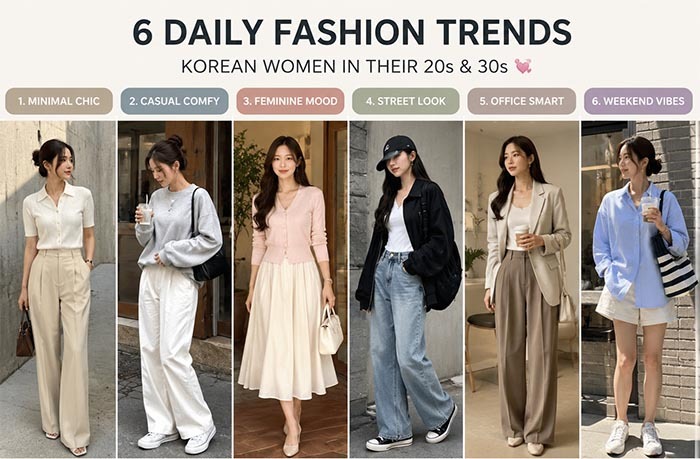
6. Korean Fashion Trands
K fashion became globally influential through social media, K pop, and Korean street style. Many young consumers worldwide see Korean fashion as modern, wearable, stylish, and emotionally expressive without feeling excessively formal.
Oversized silhouettes, clean color palettes, layered outfits, and minimalist styling strongly influenced younger global fashion trends. Seoul especially became known as one of Asia’s major fashion capitals among younger generations.
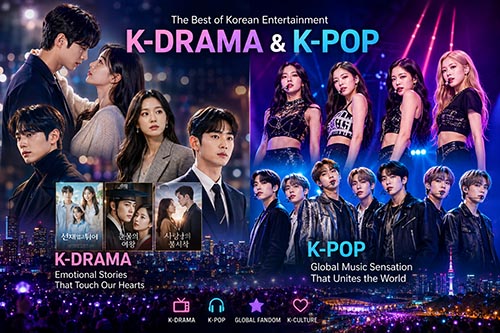
7. Korean Entertainment Content
Although technically not a physical product, Korean entertainment became one of Korea’s strongest global exports. K-dramas, K-pop, Korean cinema, and Korean streaming content transformed how the world emotionally views Korea. Platforms like Netflix accelerated this growth dramatically.
Today, Korean entertainment influences music, fashion, language learning, tourism, and beauty industries simultaneously. Very few countries successfully turned entertainment into a full cultural ecosystem the way Korea did.
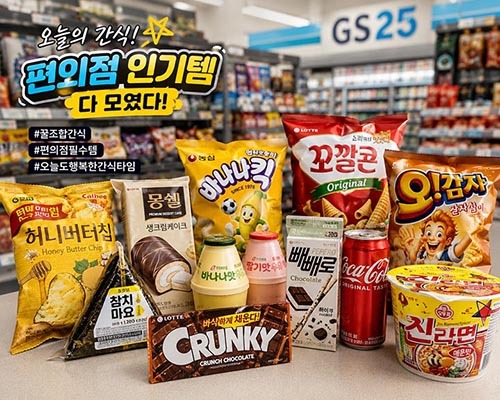
8. Korean Convenience Store Products
One surprisingly successful Korean export category is convenience store culture itself. Korean snacks, drinks, packaged meals, desserts, and convenience foods became globally popular through YouTube, TikTok, and travel content.
Young travelers especially became fascinated by Korea’s convenience store atmosphere. Products like triangle kimbap, banana milk, instant coffee sticks, packaged rice meals, and Korean ice cream gained international attention because they represent Korean daily life emotionally.
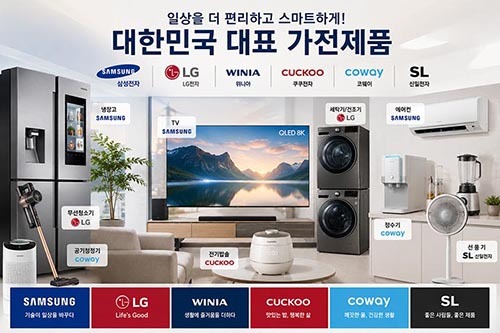
9. Korean Home Appliances
Korean companies also dominate many home appliance markets globally. Refrigerators, washing machines, air purifiers, robot cleaners, and smart home products from Korea became internationally respected for technology and reliability.
Korean manufacturers gained strong reputations for combining functionality with sleek modern design. This helped strengthen Korea’s image as a country associated with practical innovation.
10. Korean Online Platforms and Digital Culture
Korea also became influential digitally. Korean apps, gaming culture, online shopping systems, internet infrastructure, livestream culture, and digital payment systems influenced global technology trends strongly.
Many foreigners visiting Korea are shocked by how digitally integrated daily life feels. Fast delivery culture, advanced transportation apps, mobile payment systems, and online convenience all became part of Korea’s international identity.

Why Korean Products Became So Successful Globally
One major reason Korean products succeeded internationally is emotional branding. Korean companies became extremely skilled at connecting products with lifestyle and emotion rather than selling only function.
Korean skincare sells self care. Korean food sells emotional comfort. K-dramas sell emotional storytelling. K-fashion sells identity and aesthetic mood. This emotional connection makes Korean products feel culturally alive rather than purely commercial.
Social Media Helped Korea Dominate Younger Markets
Another important reason is internet timing. Korean products spread globally during the rise of TikTok, YouTube, Instagram, and streaming culture. Korean products photograph well, look visually modern, and fit internet sharing culture extremely effectively.
Aesthetic cafes, skincare packaging, street food, fashion trends, and Seoul nightlife all became highly shareable online. This helped Korean products spread organically through younger generations globally.
Korea Turned Daily Life Into Global Curiosity
Perhaps Korea’s biggest achievement is this: It made ordinary daily life internationally interesting. People became curious not only about luxury Korean products but about Korean convenience stores, skincare routines, delivery food, subway culture, cafes, and apartment lifestyles.
Very few countries successfully transformed everyday lifestyle itself into global cultural influence. But Korea managed to do exactly that.
And because of this, Korean products today are no longer seen only as exports. For many people worldwide, they became emotional symbols of modern Korean culture itself.