
Global Korea Scholarship (GKS): A Complete Guide for International Students
If you’re considering studying in Korea, chances are you’ve come across the Global Korea Scholarship, widely known as GKS. On paper, it looks like one of the best fully funded scholarships out there and honestly, it is. But what most official guides don’t tell you is how the process actually works from the ground level.
Working with international students and applicants over the years, I’ve seen where people get stuck, what makes an application stand out, and what really matters beyond the checklist. Here’s a practical, local perspective on how
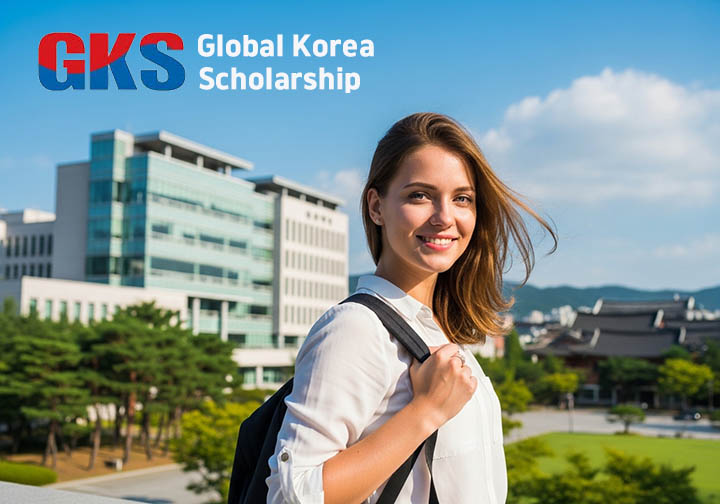
What Exact
The Global Korea Scholarship is a government-funded program designed to bring international students to Korea for undergraduate, master’s, and doctoral degrees.
It covers tuition, monthly living expenses, airfare, and even a year of Korean language training in most cases. That’s why competition is strong not just globally, but within each country. What many applicants don’t realize is that selection isn’t just about grades. It’s about fit.
Understanding the Two Application Tracks
There are two main ways to apply: through your home country’s Korean embassy or directly through a Korean university.
The embassy track allows you to apply to multiple universities, but the competition tends to be broader. The university track is more focused, and in some cases, slightly more strategic if you already know your target school.
From what I’ve seen, applicants who clearly understand their track and tailor their documents accordingly perform better.
What Selection Committees Actually Look For
Officially, the criteria include academic performance, language ability, and personal statements. In reality, it goes deeper.
Reviewers want to see a clear reason why you chose Korea not just general interest, but something specific. Your study plan should connect logically to your past experience and future goals. Applications that feel generic are easy to spot, and they rarely make it through.
Why Your Study Plan Matters More Than Your GPA
A strong GPA helps, but it’s not the deciding factor. I’ve seen applicants with average grades get accepted because their study plan was precise and realistic. On the other hand, high-GPA applicants sometimes fail because their goals are vague.
Your plan should answer three questions clearly: why Korea, why this field, and what you plan to do after graduation.
The Korean Language Factor
You don’t need to speak Korean fluently to apply, but it definitely helps.
Many successful applicants at least show basic effort TOPIK scores, language courses, or self-study. Even if your program is in English, demonstrating willingness to adapt to Korean society adds weight to your application. It signals long-term commitment.
Common Mistakes That Lower Your Chances
One of the biggest mistakes is treating GKS like a standard scholarship.
Applicants often reuse the same personal statement they used for other countries. That approach doesn’t work here. Korea places importance on alignment between your goals, your background, and your reasons for choosing Korea.
Another common issue is lack of detail. Vague plans and generic motivations weaken even strong profiles.
What Life Is Actually Like After You Get In
Getting accepted is just the beginning. Most students go through a year of Korean language training before starting their degree. This period is more important than many expect it shapes your academic and social experience in Korea.
Living in Korea as a GKS student is structured but rewarding. You’ll have support, but also clear expectations to maintain performance.
Final Thoughts
The Global Korea Scholarship is competitive, but it’s not unpredictable.
The applicants who succeed are usually the ones who understand what Korea is looking for and present a clear, consistent story. It’s not about being perfect it’s about being aligned.
If you approach the process strategically and avoid the common mistakes, your chances improve significantly. And more importantly, you’ll be better prepared for life in Korea once you get there.