
K-Transportation Cards: T-Money vs. Cashbee vs. Climate Card (Which to Choose?)
If you’re heading to Korea whether for a short vacation, a semester abroad, or a longer stay one of the first things you’ll notice is how cashless and seamless getting around the country is. The backbone of that convenience?
Korea’s rechargeable transport cards. But with a few options like T-Money, Cashbee, and the Climate Card, you might be wondering: Do I need one? Which is best? And what’s the difference?
As someone who uses these cards daily, I can tell you that understanding their strengths will save you time, money, and confusion especially if you’re hopping between cities or exploring Seoul on foot and by bus or subway.

T-Money: The Everyday All-Rounder
If there’s one card most people recommend for Korea travel, it’s definitely T-Money. Think of it as the standard transit card widely accepted, easy to use, and extremely flexible.
Where you can use it: Subways and buses in nearly every city in Korea Seoul, Busan, Daegu, Incheon, Jeju, and more plus some taxis and even convenience stores and vending machines.
How it works: You tap in when you board and tap out when you exit. The fare is automatically deducted from your balance.
Why it’s handy: T-Money travels with you anywhere in the country, not just within one city. That means if you’re planning day trips outside Seoul or even a quick visit to Busan or Jeju, this card keeps working.
Extras: You get small transfer discounts when you switch from bus to subway within a time window, and it can sometimes be used for small purchases at stores displaying the T-Money logo.
For most visitors and expats, this is the first card to get because of its nationwide coverage and simplicity.
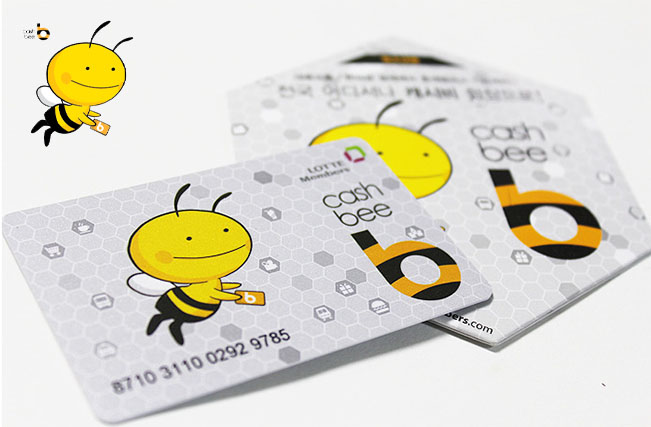
Cashbee: The Budget-Friendly Option With Local Flair
Close on the heels of T-Money is Cashbee (sometimes also called EZL depending on the issuer). Think of Cashbee as a friendly regional alternative.
Where to use it: Like T-Money, Cashbee works on buses and subways in many cities especially in urban areas like Seoul and Busan and can be used almost exactly like T-Money.
Extra perks: In some regions, Cashbee has deeper integration with local systems for example, Lotte-affiliate services (though that’s more lifestyle than transport).
Balance limits: Its top-up limit tends to be lower than T-Money’s, and acceptance patterns vary slightly by region.
For most travelers, Cashbee and T-Money are about equally good for daily subway and bus rides. The real difference is that T-Money has broader nationwide use, while Cashbee often has better local acceptance in some southern cities.
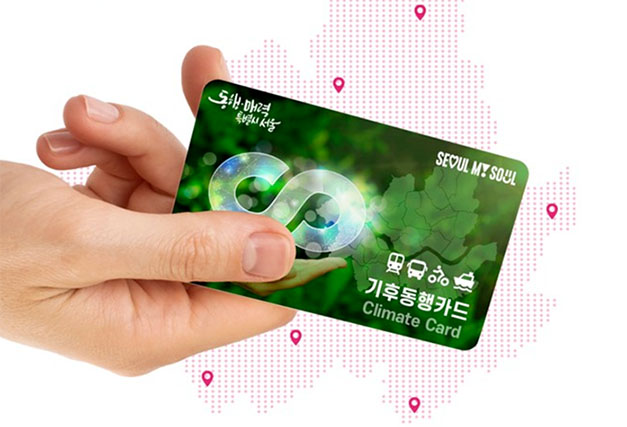
Climate Card: For Unlimited Seoul Transit
Here’s where things get a little different. The Climate Card isn’t just another prepaid card it’s an unlimited transit pass designed mainly for people spending a lot of time around Seoul.
How it works: Instead of paying per ride, you buy a pass (1-day, 2-day, 3-day, etc., up to 30 days) and then ride as much as you want on eligible buses, subways, and even Seoul’s public bikes (Ttareungi) during that period.
Great for: Tourists and expats staying in Seoul who plan many daily rides sightseeing, commuting, or exploring neighborhoods extensively.
Limits: The Climate Card is specific to Seoul’s public transit network. It won’t work on airport express trains (inbound to Seoul), intercity buses, or transit outside the Climate Card service zone.
If you live, study, or travel mostly within Seoul and want unlimited rides, this is a strong choice especially if you’ll be riding very frequently.
Practical Tips for Choosing the Right Card
Short Trip or Light Transit Use
If you’re in Korea for just a few days and plan only modest public transit use, the T-Money card is usually sufficient. It’s easy to buy at airport convenience stores, subway stations, and even some vending machines.
Heavy Daily Travel in Seoul
If your itinerary involves lots of bus and subway rides in Seoul every day for example, museum hopping or staying in different neighborhoods the Climate Card’s unlimited passes can be more cost-effective.
Exploring Multiple Cities
Planning to visit Busan, Jeju, or Daegu? Stick with T-Money. It’s accepted nationwide, including buses, subways, taxis, and even some convenience store purchases, which makes it more flexible than Cashbee in non-Seoul areas.
Local vs. Tourist Needs
While T-Money works for everyone, Climate Card shines if you’re spending extended time only in Seoul. Cashbee is a good alternative where T-Money isn’t as common, but for most foreigners the difference is minimal.