The Untold History of Korea That Most Foreigners Have Never Heard
For many people around the world, Korea seems like a country that suddenly appeared on the global stage. They know K-pop, Korean dramas, Korean skincare, and Samsung, but know very little about the thousands of years that shaped modern Korea.
The reality is far more fascinating. Long before Korean music filled stadiums and Korean technology reached every corner of the world, Korea had already survived countless wars, created remarkable innovations, preserved a unique culture, and built one of the oldest continuous civilizations in East Asia.
Many of these stories are rarely taught outside Korea. Yet they explain why modern Korea is the way it is today.
Korea Is One of Asia’s Oldest Continuous Civilizations
Many foreigners are surprised to learn that Korean history stretches back thousands of years.
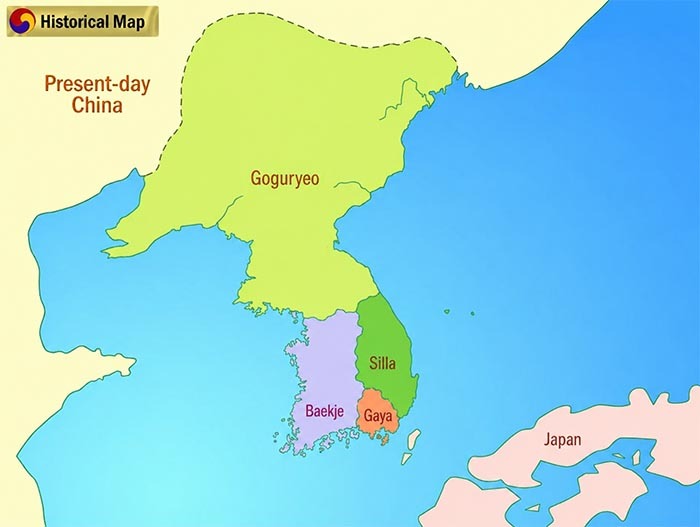
Ancient kingdoms such as Goguryeo, Baekje, and Silla developed sophisticated governments, military systems, trade networks, and cultural traditions long before many modern nations even existed. Korea was never simply a small country influenced by its neighbors. It was an active civilization with its own achievements and identity.
The Korean Peninsula Was Never an Empty Land Between Great Powers
Looking at a map, Korea appears to sit between China, Japan, and Russia.
Because of this location, many assume Korea simply followed larger countries throughout history. In reality, Korea often shaped regional politics while defending itself against repeated invasions. Its strategic position made it valuable, but it also forced Koreans to become remarkably resilient.
The Story of Goguryeo Is Bigger Than Many People Realize
Among Korea’s ancient kingdoms, Goguryeo stood out for its military strength.
It controlled vast territories extending far beyond today’s Korean Peninsula and successfully resisted powerful Chinese dynasties for centuries. The courage and independence associated with Goguryeo continue to influence Korean historical identity today.
The World’s Most Scientific Alphabet Was Created in Korea
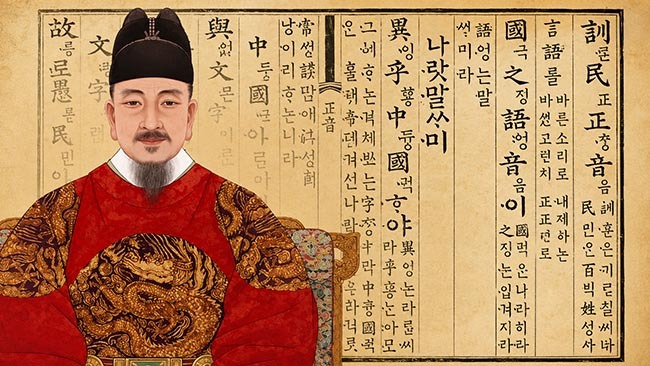
One of Korea’s greatest historical achievements is Hangul.
Created in the fifteenth century by King Sejong, Hangul was designed so ordinary people could easily learn to read and write. Unlike many writing systems that evolved gradually over centuries, Hangul was intentionally designed with remarkable linguistic precision.
Today, many language experts consider it one of the most efficient writing systems ever created.
Korea Preserved Its Culture During Foreign Rule
History was not always kind to Korea.
The country experienced invasions, political pressure, and eventually Japanese colonial rule during the early twentieth century. During this difficult period, many attempts were made to suppress Korean language and culture.
Despite these hardships, ordinary Koreans continued speaking their language, teaching traditions to their children, preserving historical records, and protecting their national identity.
That quiet determination became one of Korea’s greatest strengths.
Korean Scholars Valued Education Above Almost Everything
Education has always occupied a central place in Korean society.
For centuries, scholars studied Confucian philosophy, literature, history, ethics, and government administration. Success was measured not only by wealth but also by knowledge and moral character.
This deep respect for education continues to influence modern Korea, where learning remains one of society’s strongest values.
The Printing Revolution Reached Korea Earlier Than Many Expect
Many people associate early printing with Europe.
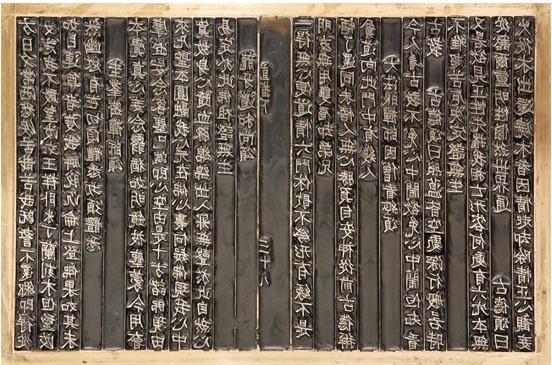
However, Korea produced some of the world’s earliest movable metal type centuries before Gutenberg’s famous printing press. This achievement demonstrates that Korea made important technological contributions that are often overlooked in global history books.
Although less widely known internationally, this innovation played a significant role in preserving knowledge and expanding education.
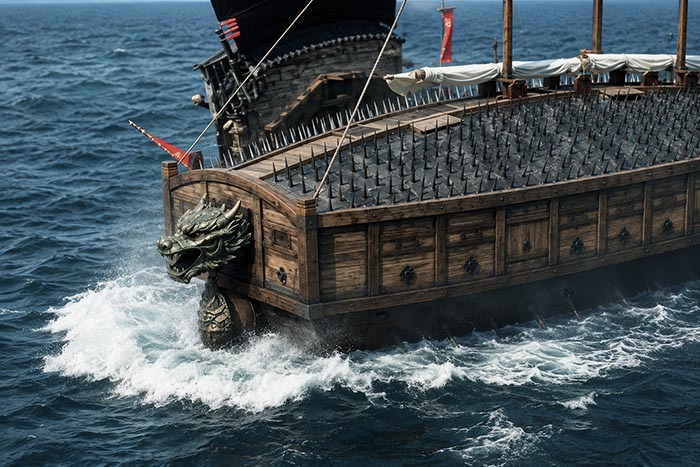
The Turtle Ship Changed Naval Warfare
ne of Korea’s most famous military innovations was the Turtle Ship.
Developed during the late sixteenth century under Admiral Yi Sun-sin, these armored warships became symbols of Korean ingenuity and determination during the Japanese invasions.
Although historians continue to discuss certain technical details of the Turtle Ship’s construction, Admiral Yi Sun-sin’s brilliant naval leadership and his undefeated record remain among the greatest achievements in world naval history. His victories protected the Korean Peninsula during one of its darkest periods and continue to inspire people around the world.
Korea Survived Through Adaptation Rather Than Expansion
Unlike many empires throughout history, Korea rarely expanded through large-scale conquest.
Instead, Korean kingdoms often focused on strengthening internal stability, preserving culture, improving agriculture, and carefully managing diplomatic relationships with neighboring powers.
This strategy allowed Korea to maintain its identity despite constant external pressure.
Everyday Korean Culture Carries Ancient Traditions
History is not found only inside museums.
Many aspects of daily Korean life still reflect traditions developed hundreds of years ago. Respect for elders, seasonal foods, family gatherings, traditional holidays, ancestral memorial ceremonies, and community values all connect modern Korea with its historical roots.
Visitors often notice these customs without realizing they are experiencing living history.
The Korean Spirit Was Built Through Repeated Challenges
Korean history contains stories of hardship that many international readers rarely encounter.
Foreign invasions, internal conflicts, colonial rule, national division, and war repeatedly tested the Korean people. Yet after each crisis, Korea rebuilt itself with extraordinary determination.
This resilience helps explain how South Korea transformed from one of the world’s poorest countries after the Korean War into one of its most advanced economies within only a few decades.
Modern Korea cannot be fully understood without understanding that historical journey.
The Korean War Still Shapes Everyday Life
Although the Korean War ended with an armistice in 1953, its impact continues today.
Families remain separated, the peninsula remains divided, and military tensions still influence politics and security. For many Koreans, the war is not simply a chapter in a history book but part of living memory passed down through generations.
Understanding this reality provides important context for modern Korean society.
Why Korean Identity Remains So Strong
One question many visitors ask is why Koreans have such a strong sense of national identity.
The answer lies in history.
After surviving repeated invasions, cultural suppression, national division, and rapid modernization, Koreans developed a deep appreciation for preserving their language, traditions, and heritage.
National pride in Korea is often rooted not in military power but in cultural survival.
Modern Korean Success Has Deep Historical Roots
Today’s Korea is known for semiconductors, entertainment, beauty products, automobiles, education, and technology.
These achievements did not appear overnight.
The discipline, adaptability, emphasis on education, and willingness to innovate all have historical foundations built over centuries. Korea’s modern success is closely connected to lessons learned throughout its long history.
Why Foreigners Should Learn Korea’s Hidden History
Many visitors arrive expecting only modern cities and popular culture.
They leave with a much deeper appreciation after discovering ancient palaces, mountain fortresses, Buddhist temples, traditional villages, historical museums, and stories that reveal how Korea survived and flourished despite extraordinary challenges.
Learning Korea’s hidden history transforms the country from a travel destination into a civilization with one of Asia’s richest historical legacies.
Final Thoughts
Korea’s untold history is not simply a collection of forgotten events.
It is the story of a nation that repeatedly protected its language, preserved its culture, defended its independence, embraced innovation, and adapted to changing times without losing its identity.
Modern Korea cannot be separated from its past.
Every palace, every traditional market, every Korean family custom, every bowl of kimchi, every Hangul letter, and every national celebration carries echoes of thousands of years of history.
For those willing to look beyond K-pop and Korean dramas, Korea offers one of the most remarkable historical journeys anywhere in the world.