Why Koreans Eat So Much Rice
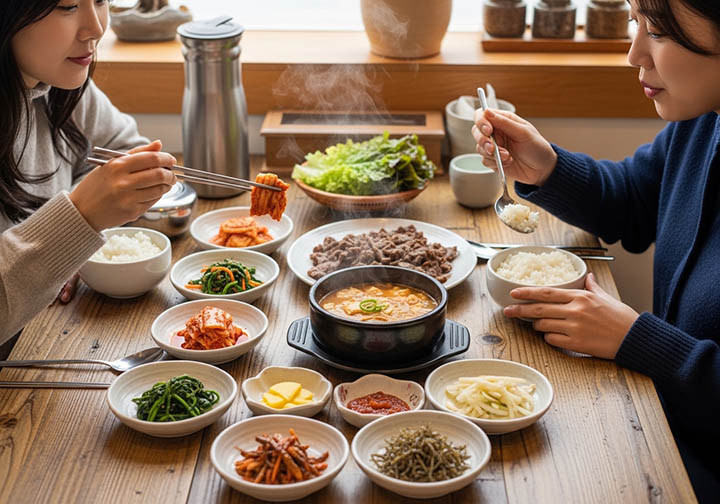
If you sit down at almost any Korean meal, one thing is guaranteed: there will be a bowl of rice. It doesn’t matter if it’s breakfast, lunch, or dinner. Even when the table is full of dishes meat, soup, vegetables rice is still there, right in the center of the meal.
For many foreigners, this raises a simple question: Why so much rice? The answer goes far beyond taste. It’s rooted in history, culture, and how Korean meals are structured.
Rice Isn’t a Side It’s the Foundation
In Korea, rice isn’t considered just another food item. It’s the base of the entire meal.
A typical Korean meal is built around three elements: Rice, soup, and side dishes
Everything else kimchi, vegetables, meat is meant to be eaten with rice, not instead of it. This is why even a table full of food can feel incomplete without it. From a Korean perspective, a meal without rice doesn’t feel like a proper meal.
It Comes From Agriculture and Geography
To understand why rice became central, you have to go back to geography. Korea has a long history of rice farming, especially in its southern and western regions where the climate and terrain are ideal for growing it. For centuries, rice was the most reliable and efficient source of calories. It fed large populations and became deeply tied to survival and stability. Over time, that practicality turned into tradition.
Rice Represents Stability and Comfort
There’s also a cultural layer that many foreigners don’t immediately see. In Korean, the phrase “Have you eaten?” is often used as a way of saying hello. And what it really refers to is rice. Eating rice isn’t just about nutrition it’s about being taken care of. Even today, when people say they haven’t “eaten properly,” they usually mean they haven’t had rice. You can eat bread, noodles, or snacks all day, but without rice, it still feels like something is missing.
It Balances Strong Flavors
Korean food is known for bold flavors spicy, salty, fermented. Rice plays a key role in balancing those flavors. Dishes like kimchi, stews, or grilled meat can be intense on their own. Rice acts as a neutral base that softens and complements everything else. That’s why meals feel more balanced when eaten together rather than separately.
It’s Part of a Structured Eating System
Korean meals are designed for variety. Instead of one main dish, you get multiple side dishes in small portions. Rice ties everything together. You take a bit of rice, add some vegetables, maybe some meat, and combine flavors in each bite. This system creates balance not just in taste, but in nutrition.
Rice and Health: Not What You Expect
From an outside perspective, eating rice three times a day might seem excessive. But the context matters. Traditional Korean meals are:
- Low in processed foods
- High in vegetables
- Portion-controlled
Rice provides energy, while the rest of the meal adds nutrients. That’s why historically, Korean diets have been considered relatively balanced, even with high rice consumption.
Modern Trends Are Changing But Slowly
Things are starting to shift. Younger generations in Korea are eating less rice than before. Western-style diets, convenience foods, and low-carb trends are influencing eating habits. Still, rice hasn’t disappeared. Even people who cut back on rice often return to it eventually, simply because it fits so naturally into the structure of Korean meals.
Why Tourists Often Misunderstand It
Many tourists focus on visible dishes Korean BBQ, fried chicken, street food. Rice doesn’t stand out, so it’s often overlooked. But for locals, rice is the constant. It’s the one thing that connects everyday meals, whether you’re eating at home, in a restaurant, or at a convenience store.
The Real Reason Is Simpler Than You Think
If you ask most Koreans why they eat rice so often, the answer won’t be complicated.
They’ll say something like: “It just feels right.”
That’s because rice isn’t just food it’s habit, culture, and comfort built over generations.
The Bottom Line
Koreans eat so much rice because it’s more than a dietary choice. It’s the foundation of meals, shaped by history, supported by culture, and reinforced by daily life. You can remove rice from a Korean meal but when you do, it stops feeling Korean. And that’s the real reason it’s still everywhere.