Your Essential Guide to Snow, Skiing, and Hot Springs in Korea
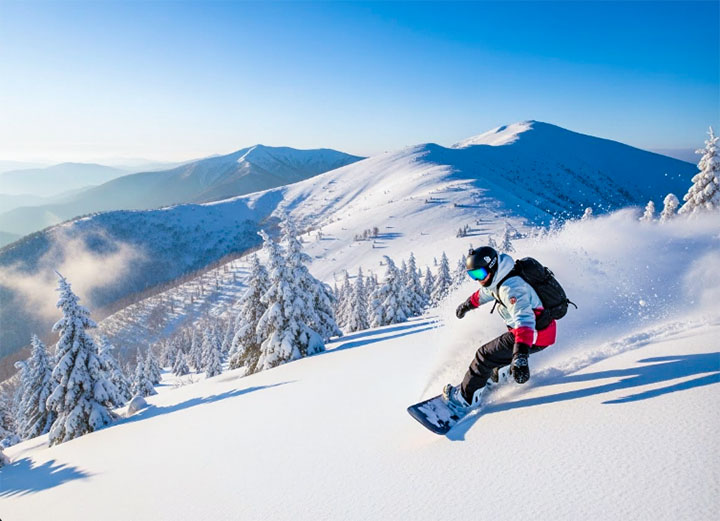
If you think Korea is only about vibrant cities, bustling markets, and spicy food, think again especially in winter. When December arrives, Korea transforms into a winter wonderland like no other. Snow-capped mountains, world-class ski resorts, and steamy hot springs create a perfect blend of adventure and relaxation.
Whether you’re planning your first winter trip or revisiting Korea’s snowy season once again, this guide covers everything you need to know from where to ski, where to soak, and how to make the most of winter in Korea.
Why Winter in Korea Is Special
Korea’s winter runs from late November through March, and unlike some places where snow is unpredictable, many regions in Korea get consistent snowfall. The scenery becomes enchanting quiet mornings with frost-tipped trees, winding mountain roads dusted in snow, and the warm glow of street lamps against a white backdrop.
The South Koreans embrace winter with as much enthusiasm as summer, but in a more comfortable, stylish way. Hot cocoa, thermal base layers, chic ski outfits, and everyone’s favorite après-ski hot springs all make winter here feel cozy, exciting, and uniquely Korean.
Best Places to Experience Snow in Korea
The northeast region especially Gangwon Province is Korea’s winter hotspot. Places like Pyeongchang, Taebaek, and Yeongwol get good snowfall and breathtaking winter landscapes. Outdoors lovers can enjoy snowy forests, picture-perfect villages, and even snow festivals.
For families and travelers who love snow activities beyond skiing, many parks and resorts offer sledding hills, snow tubing, and snowman-building zones.
Top Korean Ski Destinations You Can’t Miss
Korea’s ski resorts may be smaller than the Alps or Rockies, but what they lack in scale, they make up for in accessibility, price, and overall experience. Here are some locals’ favorites:
Yongpyong Resort Known as Korea’s largest and one of the most popular ski destinations, Yongpyong has slopes for all levels and was a key venue for the 2018 Winter Olympics. This place delivers variety and quality without the crowds being overwhelming.
Alpensia Resort Slightly smaller but charming, Alpensia is perfect for beginners and families. It’s also close to cozy hotels, restaurants, and other winter attractions.
Vivaldi Park Ski World A favorite among young locals and night skiers, Vivaldi’s bright lights and lively atmosphere make winter fun in a different way. Night skiing here is an experience in itself.
High1 Resort A top pick for powder snow lovers, High1’s elevation and terrain offer a more advanced ski experience. It’s also popular with international visitors looking for scenic views and well-groomed runs.
Tips for Skiing in Korea Like a Local
Korean ski resorts often offer lesson packages, equipment rentals, and shuttle buses from cities like Seoul. Many Koreans go on weekend ski trips, so planning ahead for accommodation is wise if you’re visiting during peak season (late December to February).
Wear layers — mornings are cold, but midday sunshine can be surprisingly warm. And don’t skip the ski snacks: tteokbokki, hotteok (sweet pancakes), and roasted chestnuts are winter staples around resort villages.
Hot Springs and Spas: Warm Up After the Slopes
One of the best parts of winter in Korea is the hot spring culture. After a snowy day outside, Koreans love soaking in natural hot springs known locally as onsen (일본식) or jjimjilbang when combined with spa facilities.
Osaek Hot Springs A classic winter retreat near Pyeongchang, Osaek’s mineral-rich waters are believed to help with muscle fatigue perfect after a day on the slopes.
Seorak Waterpia Near Seoraksan National Park, Waterpia combines hot spring baths with outdoor scenery that feels like a natural winter spa.
Mountain Hot Springs and Local Jjimjilbangs In small towns and resort areas, you’ll find cozy bathhouses with hot pools, saunas, and relaxation rooms. These places are social hubs in Korea locals soak, chat, and unwind together.
Winter Travel Tips for Korea
Plan for cold weather: layers, thermal wear, insulated jackets, and waterproof boots are essential.
Public transport is excellent. Trains and buses connect Seoul with major winter destinations like Pyeongchang, Gangneung, and Taebaek.
Try local winter foods. Budae jjigae (army stew), sundubu jjigae (soft tofu stew), and warming rice drinks are comfort foods Koreans crave in winter.
Book ski passes and accommodations early if you visit during peak months. Late December through January is especially busy.
Final Thoughts
Korea’s winter blends adventure, culture, and comfort in a way few places can match. From snowy slopes that welcome both beginners and seasoned skiers to steaming hot springs that make winter feel luxurious, Korea’s cold season is a playground and a haven for travelers.
Whether it’s your first trip or your tenth, Korea’s winter wonderland always has something new to offer.