
The Korean Foods Tourists Never Stop Talking About
Ask anyone who has traveled to Korea what they remember most, and there is a good chance food will be near the top of the list. Long after tourists forget train schedules, hotel rooms, or shopping purchases, they often remember the meals.
Food has become one of Korea’s strongest cultural exports, and for many visitors, it becomes the reason they want to return.
As someone who has spent years helping foreigners explore Korean culture, I have noticed something interesting. Visitors may arrive expecting to enjoy K dramas, K pop, or famous tourist attractions, but many leave talking endlessly about Korean food.
Some dishes become unforgettable after a single bite. Others slowly become favorites during a longer stay. These are the Korean foods that tourists never seem to stop talking about.
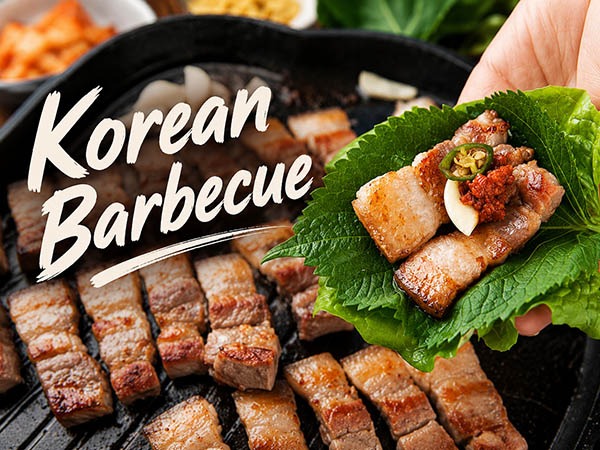
Korean Barbecue Is More Than Just a Meal
Few foods represent Korea internationally better than Korean barbecue. What surprises many tourists is that Korean barbecue is not simply about eating meat.
It is about the experience.
- People gather around a table.
- The meat cooks in front of them.
- Side dishes continuously arrive.
- Conversations last for hours.
- The atmosphere feels social and interactive.
For many visitors, this style of dining feels very different from what they are used to at home. Whether it is pork belly, marinated beef, or grilled short ribs, Korean barbecue often becomes one of the highlights of a trip. Many tourists spend months trying to recreate the experience after returning home.

Kimchi Leaves a Lasting Impression
No discussion of Korean food would be complete without kimchi. First time visitors often have mixed reactions. Some immediately love it. Others need time to adjust. Yet even those who are unsure at first usually find themselves thinking about it later. Kimchi appears everywhere in Korean cuisine.
- It accompanies barbecue.
- It appears in stews.
- It is used in fried rice.
- It even appears in pancakes and noodles.
Over time, many tourists begin to understand why Koreans eat it so frequently. Its combination of spice, acidity, crunch, and depth of flavor becomes surprisingly addictive.

Bibimbap Wins Over Newcomers
Among all Korean dishes, bibimbap is often one of the easiest for foreigners to enjoy.
The concept is simple. Rice topped with vegetables, meat, egg, and spicy sauce. Everything is mixed together before eating. The dish is colorful, balanced, and visually appealing. Many tourists appreciate that they can clearly see each ingredient.
For travelers who may feel nervous about unfamiliar foods, bibimbap often serves as a comfortable introduction to Korean cuisine. It also reflects an important aspect of Korean food culture. Different ingredients working together to create a complete meal.

Tteokbokki Becomes a Street Food Obsession
Few street foods generate as much discussion among tourists as tteokbokki. The chewy rice cakes coated in spicy red sauce are a common sight throughout Korea. Visitors often discover them in traditional markets, street food stalls, and busy shopping districts.
For some people, the spice level comes as a surprise. For others, the texture is unlike anything they have experienced before. Regardless of their first reaction, many tourists continue talking about tteokbokki long after leaving Korea. It is one of those foods people either love immediately or gradually become obsessed with.

Korean Fried Chicken Exceeds Expectations
Many visitors arrive thinking fried chicken is something they already know. Then they try Korean fried chicken. The reaction is often immediate.
- The crispiness.
- The sauces.
- The variety.
- The texture.
Korean fried chicken has earned a global reputation for good reason. Whether coated in sweet and spicy sauce, garlic soy glaze, or enjoyed plain, it consistently surprises tourists. Many visitors consider it among the best fried chicken they have ever eaten.

Samgyetang Shows a Different Side of Korean Food
Foreigners often assume Korean food is primarily spicy. Samgyetang challenges that assumption. This traditional chicken soup contains a whole young chicken filled with rice, garlic, and herbs. The broth is rich yet comforting.
Many tourists discover samgyetang during the summer when Koreans traditionally eat it to maintain energy during hot weather. The dish offers a completely different experience from the fiery flavors many visitors associate with Korean cuisine. Its simplicity often leaves a strong impression.
Korean Convenience Store Food Surprises Everyone
One unexpected topic frequently appears in conversations among tourists.
Convenience stores.
Many foreigners arrive expecting ordinary convenience store food. Instead, they discover a surprisingly diverse selection of meals, snacks, desserts, and drinks.
- Kimbap.
- Sandwiches.
- Instant noodles.
- Rice bowls.
- Ice cream.
- Limited edition products.
Convenience stores become part of the travel experience itself. Many visitors are genuinely shocked by the quality and variety available.
Street Food Markets Create Unforgettable Memories
Some of the strongest food memories come from places rather than specific dishes. Markets such as Namdaemun, Gwangjang, and countless local markets throughout Korea provide sensory experiences that tourists remember for years.
Eating at a traditional Korean market often feels more authentic than dining in a modern restaurant. Visitors frequently describe these experiences as highlights of their trip.

Bingsu Becomes a Summer Favorite
Korean desserts have become increasingly popular among international visitors. Bingsu stands out as one of the most memorable. What appears to be shaved ice quickly becomes something much more elaborate.
- Fresh fruit.
- Sweet red beans.
- Cheesecake.
- Mango.
- Matcha.
- Condensed milk.
The presentation is often stunning. Many tourists discover that Korean dessert culture is far more sophisticated than they expected.
Why Tourists Keep Talking About Korean Food
The real reason Korean food leaves such a strong impression goes beyond taste. Korean meals are often deeply connected to experiences.
- Meals are shared.
- Food is social.
- Restaurants feel lively.
- Street food feels adventurous.
- Markets feel authentic.
Even simple meals often become memorable moments. Food provides a direct connection to Korean culture that visitors can experience immediately.
- You do not need to speak Korean fluently.
- You do not need to understand Korean history.
- You simply need to sit down and eat.
The Real Secret Behind Korea’s Food Reputation
Many countries have great food. What makes Korea unique is the combination of flavors, social dining culture, affordability, variety, and accessibility.
- A traveler can enjoy barbecue one night.
- Street food the next.
- A traditional market the following day.
- A modern cafe after that.
Every meal feels different. This variety keeps visitors curious. It encourages exploration. And it creates memories that often last much longer than expected.
That is why so many tourists continue talking about Korean food long after they return home. The dishes themselves are important. But the experiences surrounding them are what people truly remember.