
Why Will K-Dramas Continue Growing Worldwide?
K-dramas are no longer entertainment for a small group of international fans interested in Korea. Today, people across North America, Europe, Latin America, and Asia discover Korean series naturally while browsing global streaming platforms. More importantly, many viewers who start with one drama eventually become curious about Korean food, travel, music, beauty, relationships, and everyday life.
This is why I do not see the worldwide popularity of K-dramas as a temporary trend. The difficult stage of convincing international audiences to watch Korean-language television has already passed. The next stage is about keeping those viewers interested.
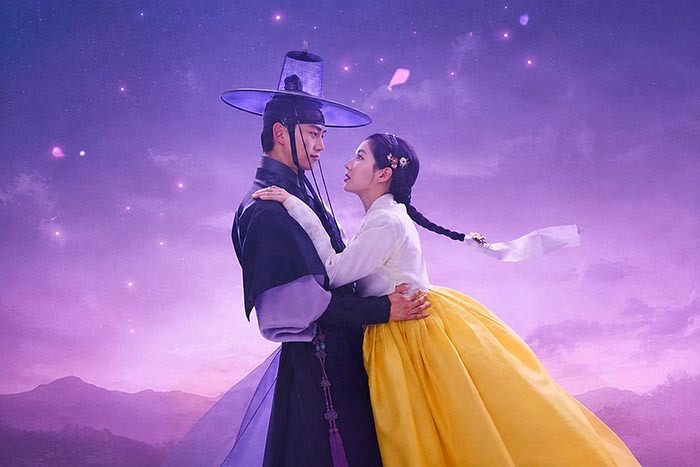
K-Dramas Are Easier to Discover Than Ever
Years ago, international fans often had to search specifically for Korean dramas and find suitable subtitles. Today, Korean series appear directly beside American and European productions on major streaming platforms, dramatically reducing the barrier to discovering them.
Someone who has never searched for Korean entertainment can watch one interesting trailer and start a series that evening. Once viewers enjoy their first Korean drama, choosing another Korean title suddenly feels completely normal.
The Stories Are Korean, but the Emotions Are Universal
One of the biggest strengths of K-dramas is their ability to make distinctly Korean stories understandable to people who know very little about Korea. International viewers may not fully understand Korean workplace hierarchy, family etiquette, school culture, or social customs, but they immediately understand the emotions behind them.
Falling in love, struggling financially, disappointing your parents, competing at work, losing a friend, feeling jealous, or trying to find your place in life does not require cultural translation. K-dramas place these universal experiences inside a Korean environment, giving viewers something familiar and unfamiliar at the same time.
Korean Romance Has a Different Rhythm
Romance remains one of the strongest attractions of K-dramas because relationships are often developed gradually. A walk home, sharing an umbrella, eating together after work, or quietly remembering someone’s favorite food can become an important part of the relationship.
This slower emotional development allows viewers to become attached to the characters before the romance fully develops. Instead of simply waiting to see whether two characters become a couple, audiences become interested in every small change between them.
That anticipation keeps people watching.
K-Dramas Have Expanded Far Beyond Romance
The future of K-dramas does not depend entirely on romantic comedies. Korean producers now create successful crime thrillers, revenge stories, historical dramas, horror, survival series, medical dramas, fantasy, action, school stories, and psychological mysteries.
This variety brings completely different audiences into Korean entertainment. Someone who has no interest in Korean romance may discover K-dramas through a thriller or survival series and later begin exploring other genres.
Squid Game demonstrated how powerful this gateway effect can be. The important lesson was not simply that one Korean series became globally successful. It showed that millions of people who had never considered watching Korean television were willing to try it when the story attracted them.
Streaming Removed the Biggest International Barrier
Streaming platforms changed Korean television from a primarily domestic product into globally accessible entertainment. A drama produced in Seoul can now reach audiences across dozens of countries almost immediately.
This allows Korean creators to remain culturally Korean rather than trying to imitate Hollywood. International audiences can see Korean streets, restaurants, apartments, workplaces, universities, food, relationships, and social customs exactly because those differences are part of what makes the experience interesting.
The world does not need Korea to produce another version of American television. Viewers are watching because Korean entertainment offers something different.
K-Dramas Naturally Make Viewers Curious About Korea
Living in Korea, many scenes shown in dramas look completely ordinary. Someone buying ramyeon at a convenience store, meeting friends at a café, taking the subway home, eating fried chicken, or walking beside the Han River does not seem particularly unusual to Koreans.
For international viewers, those same scenes can become their first introduction to everyday Korean life. They notice the food, fashion, neighborhoods, apartments, university campuses, restaurants, beauty products, and dating customs surrounding the characters.
After finishing a drama, viewers often start searching for those things themselves. A television series can therefore lead naturally to searches about Korean food, Seoul travel, skincare, Korean relationships, language learning, and even studying or working in Korea.
K-Pop Makes the K-Drama Audience Even Larger
K-dramas also benefit from the enormous international audience already interested in K-pop. A K-pop fan may start watching a drama because an idol appears in it, while a drama viewer may discover a Korean singer through an OST.
From there, the interests begin overlapping. Someone follows an actor, discovers Korean fashion, watches Korean interviews, becomes interested in Seoul, and eventually starts another drama.
K-pop and K-dramas therefore do not need to build completely separate international audiences. They continually introduce new people to each other.
Social Media Keeps Korean Dramas Alive
A drama no longer disappears when its final episode ends. Romantic scenes, funny moments, actor interviews, OSTs, fashion, and filming locations continue circulating through YouTube, TikTok, Instagram, and online fan communities.
This gives Korean dramas a much longer lifespan. Someone can discover a short scene from a three-year-old series today, search for the title, and begin watching the entire drama tonight.
Social media also allows a relatively unknown Korean series to suddenly attract international attention. One memorable scene can sometimes reach viewers who would never have found the drama through traditional television advertising.
Production Quality Can Compete Globally
Modern K-dramas have also become visually impressive. Cinematography, music, costume design, locations, lighting, editing, and visual effects have improved significantly, allowing major Korean productions to compete comfortably for viewers accustomed to expensive international television.
However, beautiful production alone is not enough. The strongest K-dramas combine those visuals with characters viewers genuinely care about. People may click because a drama looks beautiful, but they keep watching because they want to know what happens to the characters.
Korea Does Not Need Another Squid Game
K-drama’s future does not depend on creating another worldwide phenomenon every year. A much healthier model is having different dramas succeed with different international audiences.
One romance may become popular in Latin America, while a thriller attracts viewers in North America and Europe. Another historical drama may appeal to people interested in Korean culture, while a school drama brings younger viewers into the Korean entertainment world.
When many different Korean series find their own audiences, the industry becomes much stronger than if it depends on one global blockbuster.
Why K-Dramas Will Keep Growing
The biggest reason K-dramas can continue growing is simple. International audiences have already accepted Korean television.
Viewers are comfortable hearing Korean dialogue, reading subtitles, learning unfamiliar cultural details, and watching stories set entirely inside Korea. Streaming has made those dramas easy to find, while K-pop and social media continually introduce new audiences to them.
The challenge is no longer convincing the world to try Korean television. It is producing enough good stories to keep people coming back.
As long as Korean creators continue combining distinctly Korean settings with emotions that people everywhere understand, K-dramas have plenty of room to grow. They are becoming less of a temporary Korean Wave phenomenon and more of a permanent part of global entertainment.