
The Truth About K-Beauty Myths vs Facts
K-Beauty became one of the biggest global beauty trends of the last decade.
Today, Korean skincare products are sold everywhere from New York and London to Bangkok, Dubai, Paris, and São Paulo. Millions of people follow Korean skincare routines hoping to achieve smooth glowing skin often associated with Korean beauty culture.
But as K-Beauty became more popular globally, misinformation spread just as quickly.
Social media, beauty influencers, viral trends, and aggressive marketing created endless myths about Korean skincare. Some people now believe every Korean has naturally perfect skin. Others assume Korean skincare works like magic overnight.
The reality is far more complicated.
K-Beauty absolutely changed the global skincare industry in important ways, but many online claims about Korean beauty are exaggerated, misunderstood, or simply false. Understanding the difference between myths and reality helps people build healthier expectations and smarter skincare habits.
Here is the truth behind some of the biggest K-Beauty myths people still believe today.
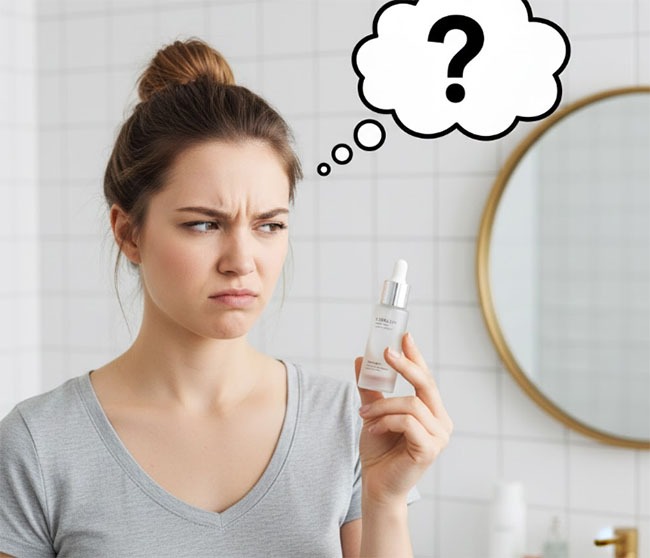
Myth: Every Korean Has Perfect Skin
One of the biggest misconceptions foreigners have after watching K-dramas or Korean influencers online is believing all Koreans naturally have flawless skin.
Reality is very different. Koreans deal with acne, sensitivity, pigmentation, dryness, enlarged pores, and skin stress just like everyone else.
The reason Korean skin often appears healthier overall is usually connected more to skincare habits, sunscreen use, hydration culture, preventative skincare, and beauty standards rather than magical genetics alone.
Lighting, filters, professional makeup, dermatology treatments, and camera editing also influence what people see online heavily. Korean skincare culture is real, but perfect skin does not exist universally even inside Korea.
Myth: You Need a 10 Step Routine Every Day
The famous 10 step Korean skincare routine became globally iconic, but many foreigners misunderstand what it actually means. The truth is that most Koreans do not literally follow ten skincare steps every single day.
The “10 step routine” is better understood as a flexible skincare framework showing possible product categories rather than mandatory daily rules. Some days routines become longer. Other days they become very simple.
In reality, many Korean dermatologists actually recommend simplifying routines for sensitive or irritated skin. Consistent cleansing, hydration, moisturizer, and sunscreen matter far more than using endless products simultaneously.
Overloading the skin often creates more irritation instead of better results.
Myth: K Beauty Works Instantly
Another common myth is that Korean skincare creates dramatic overnight transformation. Social media before and after videos often exaggerate unrealistic expectations.
The truth is that Korean skincare philosophy usually focuses on gradual long term maintenance instead of instant correction. Hydration, sunscreen, skin barrier care, and consistent routines create cumulative effects slowly over time.
Most people who achieve healthy glowing skin through Korean skincare usually spent months or years building consistent habits. K-Beauty often works well precisely because it avoids aggressive short term approaches that damage the skin barrier.
Myth: Korean Skincare Is Only About Appearance
Many foreigners assume Korean skincare culture exists purely because of vanity or beauty obsession. Appearance does matter strongly in Korea socially, but skincare culture also became normalized because many Koreans view skincare similarly to hygiene or self maintenance.
For many people, sunscreen, cleansing, hydration, and moisturizer are treated like ordinary daily routines rather than luxury beauty rituals.
Men also commonly use skincare products in Korea compared to some countries where skincare remains strongly gendered. Korean skincare culture reflects both beauty standards and broader habits around self care and presentation.
Myth: Expensive Products Always Work Better
One reason K Beauty became globally successful is because many affordable Korean products perform surprisingly well. In Korea, skincare competition is extremely intense. Brands constantly release new formulations, ingredients, and textures at relatively accessible prices.
As a result, many consumers discover affordable Korean products that feel just as effective as luxury skincare brands.
K-Beauty helped change global skincare culture partly because it proved healthy skin routines do not always require luxury pricing. Consistency matters far more than expensive packaging alone.
Myth: Korean Skincare Is Only for Women
Another outdated misconception is that K-Beauty only targets women. In reality, Korean men commonly use skincare products daily.
Cleansers, sunscreen, moisturizers, acne care products, and hydration routines are widely normalized among Korean men compared to many Western countries. This normalization contributed heavily to Korea becoming one of the world’s largest skincare markets overall.
Today, global male skincare culture is growing rapidly partly because Korean beauty helped make skincare feel more mainstream and socially acceptable for everyone.
Myth: Natural Ingredients Automatically Mean Better Skin
K-Beauty popularized ingredients like rice extract, snail mucin, green tea, mugwort, fermented ingredients, and centella asiatica globally. Many consumers now assume natural ingredients automatically guarantee safer or better skincare.
The reality is more complicated. Sensitive skin reactions vary heavily between individuals regardless of whether ingredients are natural or synthetic.
Some people react badly to essential oils, fragrances, plant extracts, or fermented ingredients despite products being marketed as gentle or natural.
Korean skincare can work extremely well, but patch testing and understanding personal skin sensitivity still matter enormously.
Myth: Korean People Never Age
The global fascination with Korean beauty sometimes creates unrealistic assumptions about aging itself.
Good skincare absolutely helps maintain healthier skin longer, especially through sunscreen use and hydration habits. But Koreans age naturally like everyone else.
Skincare, healthy habits, dermatology access, makeup techniques, lighting, and beauty culture all influence perception significantly.
Many foreigners underestimate how much styling, skincare consistency, cosmetic procedures, and media presentation affect beauty standards globally. K-Beauty can improve skin quality, but it cannot stop biological aging completely.
Myth: Korean Whitening Products Are About Changing Race
Another misunderstood topic involves brightening products. Some foreigners misunderstand Korean brightening skincare as racial “whitening.”
Modern Korean skincare products labeled brightening usually focus on reducing pigmentation, dullness, acne marks, and uneven skin tone rather than changing ethnic identity.
Ingredients like niacinamide, vitamin C, rice extract, and tranexamic acid are commonly used to create more even skin appearance.
The language surrounding brightening products can definitely feel culturally sensitive internationally, but the actual skincare goal is usually clearer and more radiant skin tone rather than literal skin bleaching.
Myth: More Products Mean Better Skin
One of the biggest lessons many experienced Korean skincare users eventually learn is that balance matters more than quantity. Social media often encourages endless product consumption, but many Korean dermatologists emphasize simplicity for long term skin health.
Using too many acids, serums, masks, exfoliants, and active ingredients simultaneously often damages the skin barrier.
Healthy skin usually comes from consistency, hydration, sunscreen, sleep, stress management, and understanding what your skin actually needs. K-Beauty routines work best when they remain sustainable.
The Real Reason K Beauty Became So Popular
The truth is that K-Beauty became globally successful not because of miracle products or unrealistic perfection. It succeeded because Korean skincare introduced a different philosophy.
Hydration instead of stripping. Prevention instead of panic correction. Skin barrier care instead of aggressive irritation. Consistency instead of instant transformation.
For many people around the world, this approach felt healthier, gentler, and emotionally more realistic than traditional beauty marketing.
K-Beauty is not magic. But many people genuinely saw healthier skin once they adopted gentler skincare habits, daily sunscreen use, and long term maintenance routines inspired by Korean beauty culture.
That realistic shift is the real reason K-Beauty continues growing globally year after year.