
Seoul Subway Survival Guide
How to Transfer Like a Local
Visiting Seoul and relying on taxis or buses is an option, but once you get the hang of the subway, you’ll wonder why you ever hesitated. The Seoul subway is one of the cleanest, most efficient systems in the world but as a local, I know the real skills that make it feel like second nature rather than a confusing maze of lines and exits.
From understanding signs to sequencing transfers and reading platform layouts, here’s your complete guide to navigating Seoul’s subway with confidence.
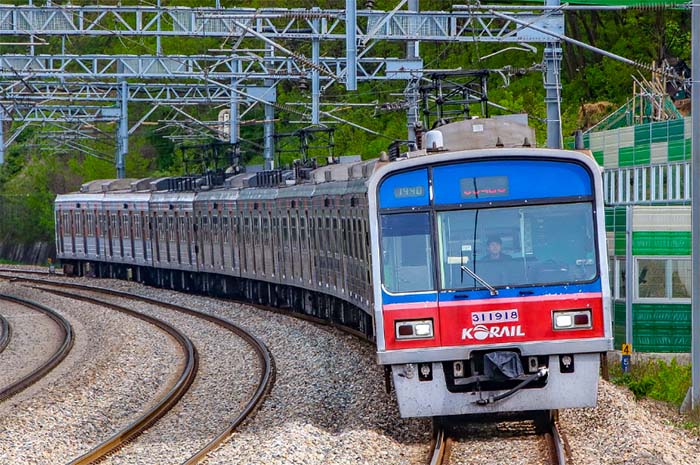
Why the Seoul Subway Feels Intimidating and Why It Shouldn’t
If you’re stepping off the plane and immediately jumping on Line 9 or Line 2, you might feel overwhelmed at first. Seoul’s system spans over 20 lines, blends metro and commuter rail routes, and integrates with buses, taxis, and regional trains.
But once you learn a few local habits like how to read transfer stations, anticipate crowd flows, and use apps the right way you’ll move through the system with ease. Seoulites don’t study the subway we feel it. After a few rides, it becomes as intuitive as walking down the street.
T-money Card: Your Subway Passport
Before you even think about transfers, get a T-money card. It’s a rechargeable transit card accepted on subway, buses, taxis, and even convenience store purchases. Locals top up at stations or convenience stores like CU, GS25, and 7-Eleven.
Once you have one, you just tap at the turnstile and go no single-ticket hassles. Using T-money also gives you transfer discounts between buses and subways, which adds up over time.
Read the Signs Like a Local
Inside stations, signs are bilingual (Korean and English) and color-coded by line blue for Line 1, green for Line 2, red for Line 4, and so on. Transfers are clearly marked with arrows and line numbers, but the trick locals use is to find the final destination name for the direction they need.
Instead of just looking at the line number, watch for the end-of-line station name it tells you which way the train is going. That’s especially useful if the same line branches off later.
For example, Line 2 might show directions for City Hall or Gangnam. Even if you don’t speak Korean, using the English station names makes choosing directions much easier.
Planning Transfers Smoothly
Transfers are inevitable, and some are easier than others. Stations like Gangnam, Hongdae (Hongik University), Jamsil, and Sadang are major transfer hubs. Locals know a few unwritten rules that make transfers smoother:
- Stay to the right if you’re transferring quick especially during rush hours so people walking longer distances can move through the left.
- Follow the flow Seoulites move fast, and flow usually means the shortest path toward your next platform.
- Check floor levels some transfer corridors are long and include stairs or escalators. Knowing whether your next platform is up or down ahead of time saves time.
Apps like KakaoMetro and Naver Map are essential companions. They give real-time transfer directions, train arrival times, and the best routes with fewer crowds.
Avoid Peak Hour Madness (If You Can)
Rush hours in Seoul are famously intense roughly 7:30 to 9:30 a.m. and 6:00 to 8:00 p.m. on weekdays. During these times, carriages are packed, and transferring at big hubs can be a squeeze. Locals time their commutes to avoid these windows when possible. If your schedule is flexible, plan sightseeing or errands before or after peak periods.
When the platform is full, the subway staff will hold doors open, and people will gently queue shoulder-to-shoulder. It’s normal, and locals move with precision, so just follow the crowd rhythm.
Know the Transfer Free Window
With a T-money card, you usually get a transfer window that lets you move between buses and subway lines within a certain time without paying again. This is a huge cost-saving tip that many travelers miss. Locals rarely think about paying per ride it’s more about maximizing transfer benefits without confusion.
Understand the Station Layout Before You Ride
Larger stations have multiple exits often more than 10 and they can lead to very different streets. Locals never just pick the first exit; we check which exit is nearest to our destination. Before you leave the station, look for the exit map (there’s normally one near elevators) and match it to your destination’s address number.
For example, if you’re heading to a museum, cafe, or university, the exit number can save you several blocks of walking which matters in extreme weather.
Etiquette That Makes Travel Easier
Seoul’s subway culture has its own etiquette:
- Stand on the right of escalators walking side is left.
- Let passengers off first before boarding.
- Avoid loud phone calls it’s not just polite, it’s expected.
- Priority seats are for seniors, pregnant people, and people with disabilities locals will remind you politely if you forget.
Knowing these small customs makes your travel feel smoother and more respectful.
Final Local Tips for Visitors
If you’re staying longer, consider downloading Kakao T (for taxis) and Naver Map (for directions) locals use both alongside the metro system.
Also, don’t be afraid to ask subway staff for help station workers often speak basic English and are very helpful if you’re visibly holding a map or confused at a transfer point. Many speak Japanese and Chinese too, making it easier for travelers from other parts of Asia.