
Why Are Many Korean Women Not Getting Married?
For many foreigners watching Korean dramas or K pop culture from overseas, South Korea often appears highly romantic on the surface. Couple culture is visible everywhere. Cafes are filled with young couples. Romantic anniversaries are celebrated seriously. Dating culture looks emotionally intense and socially important.
But underneath that image, modern Korea is experiencing one of the biggest social changes in its history. More Korean women today are delaying marriage or choosing not to marry at all. And this is not happening because Korean women suddenly “dislike relationships” or stopped believing in love.
The reality is far more complicated. Marriage in modern South Korea has become deeply connected to economic pressure, career expectations, gender roles, emotional exhaustion, housing costs, and changing ideas about personal happiness.
Foreigners who spend enough time living in Korea eventually realize something important: Many Korean women are not rejecting love itself. They are questioning whether traditional marriage still feels emotionally and practically worth it in modern Korean society.

Modern Korean Women Have More Choices Than Before
One of the biggest reasons marriage patterns changed is simple. Korean women today have far more independence than previous generations. Higher education rates increased dramatically. Career opportunities expanded. Financial independence became more realistic. International exposure also changed how younger generations think about relationships and life goals.
Previous generations often viewed marriage as socially necessary. Today, many younger Korean women no longer feel that pressure in the same way. Marriage is increasingly viewed as a personal choice rather than an unavoidable life requirement. As a result, many women now ask a question previous generations often could not ask openly:
“Will marriage actually improve my quality of life?” For many, the answer no longer feels automatic.
Housing Prices and Financial Pressure Feel Overwhelming
Modern Korea is extremely expensive, especially in Seoul and surrounding metropolitan areas. Housing costs alone create enormous pressure for young couples. Many Koreans spend years trying to save enough money for marriage, rent deposits, or home ownership. At the same time, work culture remains highly competitive and emotionally exhausting.
Many women feel financially stable enough to support themselves independently already. Because of this, marriage sometimes begins feeling less like emotional security and more like additional financial stress.
Foreigners often underestimate how strongly economic pressure affects Korean relationship culture today. In many cases, people delay marriage not because they dislike commitment, but because modern life simply feels too expensive and unstable.

Traditional Gender Expectations Still Exist
Another major reason involves gender roles. Although Korea modernized rapidly economically, traditional expectations surrounding marriage and family still remain influential socially. Many Korean women quietly worry that marriage could increase emotional and domestic responsibility unfairly.
Even today, women are often expected to balance career pressure while also managing childcare, emotional labor, family events, and household responsibilities simultaneously.
Younger generations increasingly question whether this structure feels sustainable or emotionally fair. Especially highly educated women often feel conflicted between professional identity and traditional marriage expectations.
This does not mean Korean men are universally traditional or unsupportive. Modern Korean men are changing too. But social expectations themselves still create emotional pressure inside marriage culture overall.
Work Culture Leaves Little Energy for Relationships
South Korea’s work culture also affects marriage dramatically. Long working hours, exhausting commutes, career competition, and job instability leave many young adults emotionally drained. Some women simply feel they do not have enough emotional energy to maintain traditional expectations surrounding marriage, in laws, future parenting, and family responsibility simultaneously.
Many foreigners imagine Korea as highly romantic because of entertainment media. But real life for many young Koreans often feels extremely stressful behind the scenes. As a result, relationships increasingly compete with personal survival, career pressure, and mental health concerns.
Some Women Fear Losing Personal Freedom
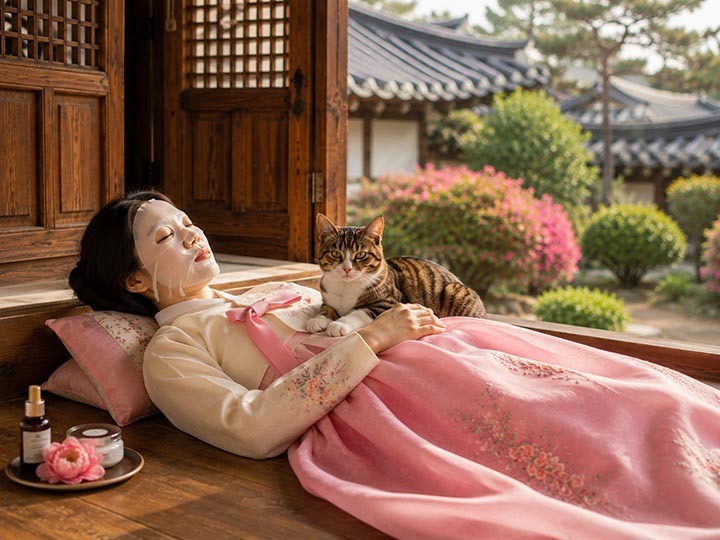
Another reality foreigners often overlook is lifestyle independence. Many younger Korean women now enjoy freedoms previous generations did not have. Living alone, traveling internationally, building careers, managing finances independently, and pursuing personal goals became increasingly normalized.
For some women, traditional marriage feels emotionally restrictive compared to the independence they already built. Especially if marriage still carries expectations regarding family obligation or traditional gender behavior, some women question whether the tradeoff feels worthwhile.
Again, this does not mean they reject love. Many still want emotionally healthy relationships. But they increasingly separate love from traditional marriage structure itself.
Family Expectations Still Create Stress
Marriage in Korea often involves more than two individuals emotionally.
Family culture remains highly important. Parents sometimes influence wedding decisions, housing expectations, child planning, holiday obligations, and relationship timelines much more strongly than many foreigners expect.
Some women feel emotionally burdened by the idea of balancing not only marriage itself but also future relationships with in laws and extended family expectations. Especially older traditional family structures can feel emotionally intimidating to younger generations seeking more equal partnerships.

Korean Society Is Changing Faster Than Its Relationship Culture
One major issue in Korea today is that society changed rapidly, but relationship expectations did not always evolve at the same speed.
Women became more educated, globally connected, and financially independent very quickly. But some traditional social attitudes surrounding marriage, family roles, and emotional expectations still remain influential.
This creates tension. Many younger women want emotionally equal relationships built on partnership, communication, and shared responsibility. But some still feel Korean marriage culture socially expects women to sacrifice more than men after marriage.
As a result, many delay marriage while searching for relationships that feel emotionally healthier and more balanced.
International Exposure Changed Relationship Expectations
Global media and international travel also influenced younger Korean women significantly. Many now compare Korean work culture, dating culture, marriage expectations, and gender roles with other countries more openly than before. Some become more selective about relationships after seeing different models of partnership internationally.
This does not automatically mean foreign relationships are easier. But exposure to different cultures changed how many younger Koreans think about emotional compatibility, independence, and personal happiness overall.
Marriage Is No Longer Seen as Automatic Happiness
Perhaps the biggest change is psychological. Previous generations often viewed marriage itself as a major life achievement and emotional milestone.
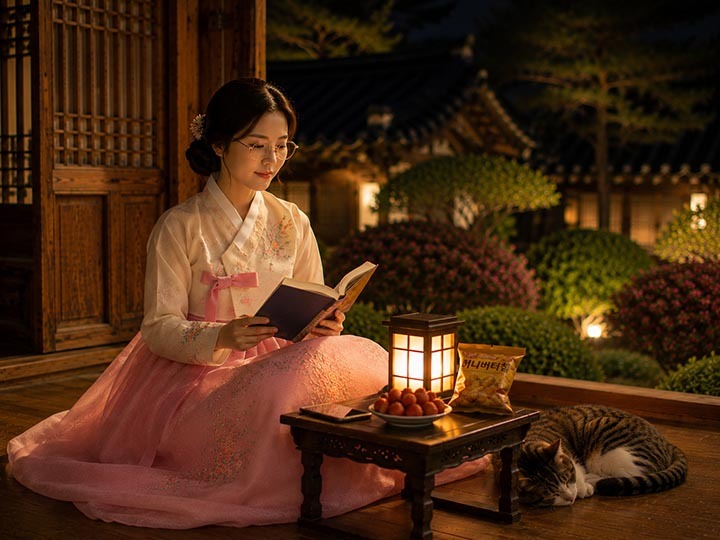
Today, many younger Korean women no longer automatically connect marriage with happiness. Some saw exhausted parents struggling financially. Others witnessed emotionally distant marriages or overwhelming social pressure.
As a result, younger generations increasingly prioritize mental peace, emotional stability, and personal fulfillment over simply following traditional timelines. Many still want meaningful love and stable relationships. They are simply more cautious about whether marriage itself truly guarantees emotional wellbeing.
The Situation Is More Complex Than Foreigners Realize
One important thing foreigners eventually learn is this: The issue is not that Korean women “hate marriage.”
The deeper issue is that modern Korean women are asking harder questions about what kind of life they truly want. And in many cases, Korean society itself has not fully adapted yet to the emotional and economic realities younger generations face today.
At the same time, relationship culture in Korea continues changing rapidly. More couples now prioritize emotional equality, communication, shared responsibility, and mutual personal growth than previous generations did.
Many Korean women still want love. Many still want marriage too. But increasingly, they want marriages that feel emotionally healthy, financially realistic, and personally sustainable rather than socially mandatory.
And understanding that difference is essential for truly understanding modern Korea today.