
Differences in Love Culture between Korean Men and Japanese Women
At first glance, Korean and Japanese cultures often appear very similar to foreigners. Both countries are East Asian. Both value politeness, social harmony, appearance awareness, and group culture. Korean and Japanese cities also feel modern, organized, and emotionally reserved compared to many Western countries.
Because of this, many outsiders assume relationships between Korean men and Japanese women must feel naturally easy. But real life is far more complicated. In reality, Korean and Japanese dating cultures contain surprisingly deep emotional differences underneath the surface.
And many Korean Japanese couples eventually realize that although the two societies may look similar externally, they often understand love, communication, emotional expression, and relationships in very different ways.
Some couples find these differences exciting and emotionally attractive. Others experience confusion and misunderstanding because each side assumes the other thinks similarly. Ironically, the cultural similarities sometimes make the emotional differences even more surprising.
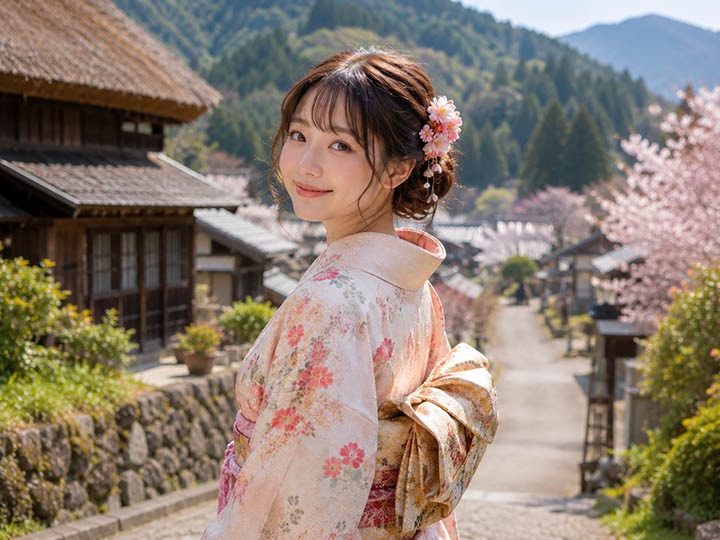
Korean Men Often Express Affection More Actively
One of the first things many Japanese women notice when dating Korean men is emotional intensity. Compared to traditional Japanese dating culture, many Korean men communicate affection much more actively.
Frequent texting, asking whether someone ate, checking daily schedules, remembering anniversaries carefully, and showing visible emotional attentiveness are very common in Korean relationships. For some Japanese women, this initially feels sweet and emotionally reassuring. For others, it can feel surprisingly intense.
Japanese dating culture often values emotional subtlety and personal space more strongly. Meanwhile, many Korean men naturally interpret regular communication as emotional care and commitment. This creates one of the biggest emotional contrasts between the two cultures.
Japanese Communication Tends to Be More Indirect
Another major difference involves communication style itself. Japanese emotional communication is often highly indirect and atmosphere based. Feelings are sometimes understood through silence, subtle tone, implication, or emotional sensitivity rather than direct verbal explanation.
Korean communication can also be indirect compared to Western cultures, but many Korean relationships still involve much more emotional verbal confirmation overall.
Korean men often prefer clearer emotional reassurance inside relationships. Meanwhile, some Japanese women may feel uncomfortable with highly direct emotional questioning or constant emotional confirmation. This difference becomes especially noticeable during misunderstandings or arguments.
Korean partners may want immediate emotional discussion. Japanese partners may prefer emotional calmness, silence, or gradual processing before speaking openly. Without cultural understanding, both sides can easily misinterpret each other emotionally.
Korean Dating Culture Feels More Relationship Centered
Many Japanese women are surprised by how relationship focused Korean dating culture can feel. In Korea, couples often spend large amounts of time together, communicate daily, and build strong emotional routines quickly.
Matching couple items, anniversary celebrations, daily texting, and visible relationship culture are all highly common. Japanese dating culture often feels slightly more emotionally independent by comparison.
Some Japanese women enjoy the emotional closeness Korean relationships provide. Others occasionally feel overwhelmed by the expectation of constant emotional availability.
Meanwhile, some Korean men interpret emotional independence as emotional distance or lack of romantic interest. This emotional mismatch becomes one of the biggest challenges in Korean Japanese relationships.
Public Romance Feels Different Between Korea and Japan
Public couple culture also feels surprisingly different. Korean couples often express relationship identity visibly through matching outfits, couple photos, coordinated social media, and affectionate public behavior.
In Japan, relationships sometimes remain emotionally more private and understated socially. Some Japanese women initially feel Korean dating culture appears highly expressive or performative publicly.
Meanwhile, some Korean men may interpret Japanese emotional subtlety as uncertainty or lack of affection. Interestingly, many couples eventually grow attracted to these differences.
Korean partners sometimes appreciate Japanese emotional calmness. Japanese partners sometimes enjoy the warmth and emotional attentiveness common in Korean relationships.
Family Expectations Still Matter Strongly in Korea
Another major cultural shock often appears when relationships become serious. Korean family culture still influences dating and marriage decisions relatively strongly. Parents may ask about career stability, future marriage plans, age differences, and long term compatibility earlier than Japanese partners expect.
Japanese society also values family harmony, but Korean families sometimes become emotionally involved more actively once relationships grow serious.
This occasionally surprises Japanese women who expected Korean dating culture to feel more modern and individualistic because Seoul appears highly modern externally. Many couples eventually realize Korean society remains emotionally traditional underneath its modern appearance.
Korean Men Often Show Love Through Practical Care
One thing many Japanese women appreciate about Korean men is practical attentiveness. Some Korean men express affection through consistent small actions rather than dramatic romance.
Walking someone home safely. Bringing medicine when sick. Planning transportation carefully. Remembering food preferences. Daily emotional check ins. These small behaviors often carry strong emotional meaning inside Korean relationships.
Japanese dating culture also values attentiveness deeply, but the Korean style often feels more visibly active and emotionally expressive in daily life. For some couples, this difference becomes emotionally attractive rather than problematic.
Appearance Culture Creates Shared Pressure
Another interesting similarity is appearance awareness. Both Korea and Japan place strong social attention on fashion, skincare, beauty, and presentation. However, Korean beauty culture often feels more intense and socially competitive overall.
Many Japanese women visiting Korea notice how visually polished Korean society appears, especially in Seoul neighborhoods like Gangnam or Seongsu. At the same time, Korean men are also often surprised by the softer and more understated beauty style common in Japan. These differences influence attraction and dating dynamics more than outsiders initially expect.
Modern Younger Generations Are Changing Rapidly
Younger Korean and Japanese generations today are far more globally influenced than previous generations. Social media, international travel, multicultural friendships, and global entertainment all transformed dating culture significantly in both countries.
As a result, many younger Korean Japanese couples today communicate far more openly and flexibly than older stereotypes suggest. Still, deeper cultural habits surrounding emotional communication remain surprisingly strong underneath modern lifestyles. That is why many couples still experience emotional misunderstandings despite cultural similarities overall.
The Biggest Misunderstanding Is Assuming Similarity
Perhaps the biggest mistake many Korean Japanese couples make early on is assuming the cultures are emotionally identical. Because the countries look similar externally, many people expect communication styles and relationship expectations to match naturally. But emotionally, Korean and Japanese dating cultures often prioritize different things.
Korean relationships frequently emphasize emotional presence, visible attentiveness, and active communication. Japanese relationships often emphasize subtle understanding, emotional balance, and quiet comfort. Neither style is better. They simply express affection differently.
The Real Secret Behind Successful Korean Japanese Relationships
The strongest Korean Japanese couples usually succeed for one simple reason: They stay curious instead of judgmental. The relationship becomes emotionally rewarding when both people stop expecting their own culture’s emotional rules automatically. Instead, they begin learning how the other person naturally expresses care, affection, stress, and emotional closeness.
And for many couples, that process eventually becomes one of the most meaningful parts of the relationship itself. Because love across cultures is rarely about finding someone exactly the same. It is often about learning how another culture understands love completely differently while still finding emotional connection underneath it.