
The Secret Behind Rumi’s Hairstyle in K-Pop Demon Hunters
K-Pop Demon Hunters is an animation created with careful attention to Korean culture, and detailed scenes that only Koreans would fully recognize can be found throughout the film. In particular, the main character Rumi’s unique hairstyle contains a surprising hidden secret that most foreign viewers would never notice.
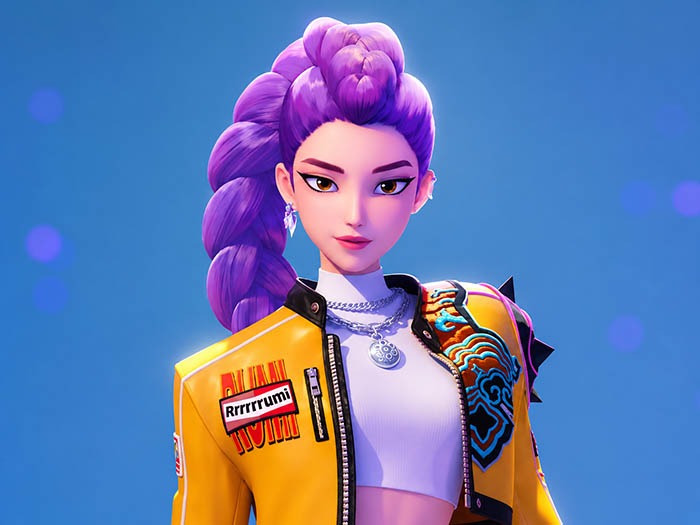
The hairstyle worn by Rumi, the main character in K-Pop Demon Hunters, immediately caught the attention of viewers around the world. At first glance, it looks futuristic and stylish enough to belong on a modern K-Pop stage.
Yet many Korean viewers quickly noticed something familiar. The dramatic volume, sculpted silhouette, and elegant balance resemble elements of the traditional hairstyles once worn by queens during Korea’s Joseon Dynasty.
Rather than copying historical fashion exactly, the artists behind the animation appear to have transformed classic Korean royal aesthetics into a fresh visual language that fits a fantasy action story. It is a creative example of how traditional Korean culture can inspire modern character design while still feeling exciting to international audiences.
The Influence of Joseon Royal Hairstyles
During the Joseon Dynasty, a queen’s hairstyle was much more than a fashion statement. It represented dignity, authority, wisdom, and social status. Royal women often wore elaborate wigs known as gache during earlier periods, while later generations adopted carefully arranged ceremonial hairstyles decorated with luxurious ornaments.
These hairstyles emphasized graceful curves, impressive volume, and a perfectly balanced appearance. Every section was intentionally placed to create a harmonious profile that reflected Confucian ideals of order and elegance.
When compared with Rumi’s hairstyle, several similarities become noticeable. Her large sculpted ponytail rises high behind her head with rounded curves that echo the elegant proportions found in traditional royal hairstyles. Although simplified for animation, the overall silhouette feels surprisingly familiar to anyone who has studied Korean historical fashion.

Modern Design Inspired by Traditional Beauty
The designers did not simply recreate a historical hairstyle. Instead, they blended traditional Korean elements with contemporary fashion, fantasy aesthetics, and K Pop styling.
Rumi’s hairstyle features vibrant purple coloring rather than natural black hair. The exaggerated braid creates a dynamic shape suitable for action scenes, while the clean lines and smooth finish make her look like a modern idol rather than a historical queen.
This combination allows viewers to subconsciously recognize Korean cultural influences without making the character appear old fashioned. It demonstrates one of the strengths of modern Korean entertainment, which often introduces traditional culture through subtle visual references rather than direct historical recreation.
Many successful Korean productions have used similar techniques by incorporating hanbok inspired fashion, traditional architecture, Korean mythology, and historical symbolism into modern stories.
A Perfect Match for a K Pop Heroine
Rumi is not simply an idol. She is both a performer and a demon hunter, which requires her design to communicate elegance and strength simultaneously.
Traditional Joseon queen hairstyles naturally project confidence and authority. Their elevated structure makes the wearer appear taller, more composed, and visually commanding. These same qualities help establish Rumi as a leader within her group.
Unlike loose hairstyles that emphasize softness, her structured hairstyle creates a powerful silhouette that remains recognizable even during fast action sequences. Character designers often seek this kind of instantly identifiable shape because audiences can recognize the character from a distance or even in silhouette.
The hairstyle therefore serves both artistic and storytelling purposes.

Why Global Audiences Find It So Unique
Many international viewers have commented that Rumi’s hairstyle feels unlike anything commonly seen in Western animation or Japanese anime.
One reason is that it avoids relying entirely on familiar fantasy hairstyles. Instead, it introduces design principles rooted in Korean visual culture.
Even viewers who know nothing about Korean history often describe the hairstyle as elegant, regal, and distinctive. This reaction shows how effective cultural inspiration can be even when audiences cannot immediately identify its historical origins.
For Korean viewers, the hairstyle carries an additional layer of meaning because it subtly reflects the country’s royal heritage.
The Growing Global Trend of Reimagining Korean Tradition
Over the past decade, Korean entertainment has increasingly modernized traditional culture rather than presenting it only in historical dramas.
- Fashion designers reinterpret hanbok into contemporary clothing.
- Architects combine traditional Korean rooflines with modern buildings.
- Beauty brands draw inspiration from historical ingredients and skincare practices.
- Game developers adapt Korean mythology into fantasy worlds.
K-Pop Demon Hunters follows this same creative direction by transforming historical royal elegance into a visually striking animated heroine. Instead of presenting history as something distant or old fashioned, the film makes traditional aesthetics feel fashionable and globally appealing.
Attention to Cultural Detail
One of the reasons Korean animation has earned growing international recognition is the increasing attention given to authentic cultural references.
Rather than randomly borrowing visual ideas, many productions carefully study historical clothing, architecture, accessories, and hairstyles before adapting them into modern designs.
Although Rumi’s hairstyle is clearly fictional, its balanced proportions, elegant curves, and regal presence strongly suggest inspiration from Joseon royal fashion. This approach allows the design to celebrate Korean heritage without sacrificing originality or creative freedom.
It also encourages curious viewers to learn more about Korea’s history after watching the film.
A New Symbol of Korean Soft Power
Just as audiences around the world became interested in hanbok after watching Korean historical dramas, or discovered Korean cuisine through popular television series, animated films can also introduce cultural heritage in subtle but meaningful ways.
Rumi’s hairstyle demonstrates that traditional Korean design principles remain relevant in the modern entertainment industry. By reimagining the iconic elegance of Joseon queens through a vibrant K Pop inspired heroine, KPop Demon Hunters creates a visual bridge between Korea’s royal past and its globally influential pop culture present.
The result is more than simply an attractive hairstyle. It becomes a symbol of how Korean tradition continues to evolve, inspiring new generations of artists while introducing millions of international viewers to the timeless beauty of Korea’s cultural heritage.