The Japanese Occupation of Korea Explained in Simple English
For many foreigners, learning about Korea usually begins with K-pop, Korean food, beautiful palaces, or modern cities like Seoul. However, after spending time in Korea or talking with Korean people, many visitors eventually discover that one chapter of history is remembered far more deeply than almost any other.
That chapter is the Japanese occupation of Korea. It lasted only 35 years, but its influence can still be seen throughout Korean society today. Understanding this period helps explain why Koreans value their language, independence, and national identity so strongly.
How the Occupation Began
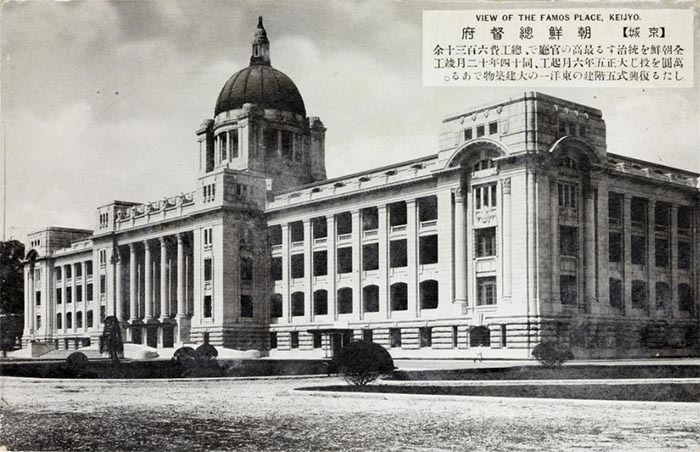
The story officially started in 1910 when Japan formally annexed the Korean peninsula after years of military and political maneuvering. Before this, Korea had been ruled by the Joseon Dynasty for over five hundred years and was known as the Hermit Kingdom. Japan was rapidly modernizing and wanted to expand its empire across Asia, looking at Korea as a vital strategic stepping stone.
The Korean Emperor was forced to sign away his sovereignty, effectively dissolving the old kingdom overnight. The Japanese military took full control of the government, local businesses, and everyday public life. This marked the beginning of a highly controlled and difficult chapter for the local population.
The Early Years of Control
During the first decade of the occupation, the rule was heavily militaristic and focused on absolute control. The Japanese government replaced Korean laws with their own legal system and placed police forces on almost every major street corner. Any form of political gathering or free speech among local citizens was strictly banned.
Land was systematically surveyed and re-registered, which unfortunately caused many traditional Korean farmers to lose their family properties. The local economy was rapidly restructured to export rice and raw materials out of the country to support Japan’s domestic growth.
The Turning Point of 1919
On March 1st, 1919, a massive peaceful protest broke out across the country as millions of Koreans demanded their independence. Inspired by global discussions about self-determination after World War I, activists read a declaration of independence in Seoul. The movement spread like wildfire to almost every town and village on the peninsula.
The colonial response was swift and violent, resulting in thousands of deaths and arrests over the following months. Even though the protests did not immediately win back independence, they changed the course of the occupation forever. The colonial government realized that pure military force would not work, so they shifted toward a softer cultural policy.
Cultural Suppression and Assimilation
In the 1930s, the colonial policies shifted dramatically as Japan prepared for wider conflict across the Pacific region. The government launched a massive assimilation campaign designed to completely erase the distinct identity of the Korean people. The goal was to turn the local population into loyal subjects of the Japanese Emperor.
The use of the Korean language was officially banned in schools and public offices, making Japanese the mandatory tongue. People were also heavily pressured to drop their traditional family names and adopt new Japanese surnames instead. Traditional cultural practices were actively discouraged, and historical monuments were altered or torn down.
The Hardships of World War II
As World War II escalated across the Pacific, the human and material toll on the Korean population grew exponentially heavier. Hundreds of thousands of Korean men were forced into labor camps or drafted directly into the Japanese military to fight on distant front lines. The country was stripped of its resources, from agricultural crops to metal household items, to fuel the wartime economy.
This period also saw the creation of the comfort women system, where tens of thousands of young women were forced into military brothels. The deep pain from this specific wartime policy remains one of the most sensitive and unresolved issues in East Asian politics today.
The Road to Independence
The long occupation finally came to an abrupt end in August 1945 when Japan surrendered to the Allied forces, concluding World War II. Koreans celebrated across the peninsula as decades of foreign colonial rule vanished in a single day. However, the sudden departure of the colonial administration left a massive power vacuum behind.
Because the wartime allies had different plans for the region, the peninsula was temporarily divided along the 38th parallel. This temporary split between the Soviet forces in the north and American forces in the south eventually became permanent, leading directly to the Korean War.
The Modern Legacy Today
The impact of those thirty-five years still heavily influences the daily lives and mindsets of people living in Seoul today. You can see it in the architecture, where old colonial buildings still stand alongside modern glass skyscrapers. It also explains the intense national pride that modern Koreans have for their native language, tech companies, and cultural creations.
When you visit South Korea or dive into its entertainment, keeping this historical backdrop in mind gives you a much deeper appreciation for the culture. It shows you just how hard the nation fought to preserve its identity and build the dynamic society we see today.