
Living in Korea as a Filipino Worker
A Local Korean’s Perspective
If you’re from the Philippines and thinking about working in Korea, you’re part of a long tradition of Filipinos traveling abroad to earn a living, support family back home, and gain valuable life experience.
Korea with its strong economy, well-organized industrial employment programs, and high demand for workers in certain sectors is one of the destinations many Filipinos explore as an opportunity to improve their economic situation.
In this guide, I’ll walk you through everyday life as a Filipino worker in Korea from how jobs are secured and paid, to cultural adjustments, cost of living, community support, and the realities you might experience once you arrive.
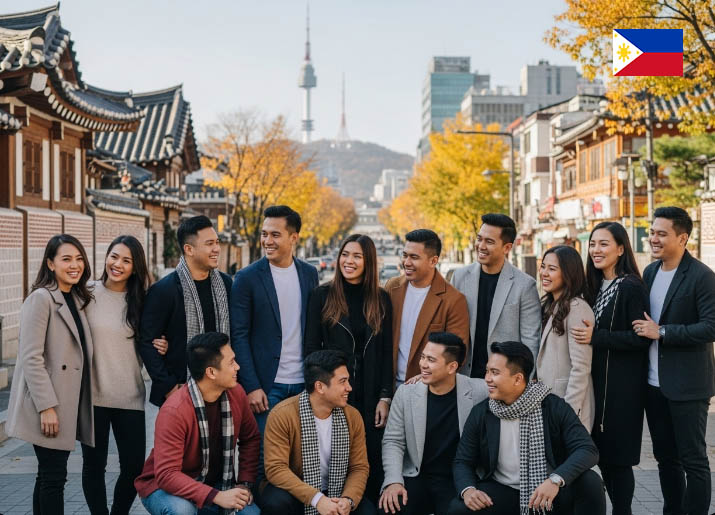
How Filipino Workers Come to Korea
Most Filipinos come to Korea through formal employment pathways such as the Employment Permit System (EPS), which allows foreign workers from countries like the Philippines to work legally in sectors like manufacturing, construction, agriculture, fisheries, and services under contract.
These programs are regulated by both the Korean and Philippine governments and require an English or Korean language exam (EPS-TOPIK), medical checks, and other eligibility qualifications before departure.
Some workers also arrive for specialized roles like caregiving and domestic assistance under pilot or specific programs, often after vocational training and certification in the Philippines itself.
Work and Wages – What to Expect
One of the reasons many Filipinos consider Korea is the higher earning potential compared with similar jobs back home. Even in factory work or caregiving sectors, take-home pay before deductions is often higher than equivalent jobs in the Philippines.
However, the reality on the ground can be complicated:
- Salaries for some caregivers after deductions (for housing, transportation, insurance, etc.) might amount to roughly 1.1–1.2 million KRW per month (approximately 800-850 USD), which doesn’t stretch as far as many expect in high-cost cities like Seoul.
- Housing costs especially in big cities can take a significant portion of wages, leaving little left for savings once living expenses are factored in.
- Job duties can sometimes exceed contract descriptions, with some workers reporting heavy workloads and long hours.
These conditions highlight a balancing act many Filipino workers face in Korea: the higher nominal wage compared with the Philippines versus costs, deductions, and working pace in Korea.
Daily Life in Korea – Beyond the Workplace
Living in Korea is not just about the job it’s about adapting to a new daily rhythm. Korean cities, especially Seoul, are bustling and efficient, with excellent public transportation, modern conveniences, and 24/7 services that you won’t find everywhere. At the same time:
Cost of living is high: Rental costs even for small rooms can be tough on a factory or caregiving wage, especially in Seoul or Gyeonggi Province. Public transit is efficient and a better option than owning a car for most workers.
Language matters: Korean is the dominant language around you workplaces, menus, signs, and official procedures. Many workers attend language classes before and after arrival to improve their Korean, which makes daily life and communication much easier.
Work culture can be intense: Korean employers tend to run structured schedules, and even in care or factory settings, overtime and weekend duties may be expected. Reports show that some caregivers go weeks with little day off and long commute times between job sites.
Many Filipino workers mention that adjusting to Korea’s work rhythm and expectations punctuality, intensity, communication style is one of the larger contrasts after arriving.
Community and Support Networks
Filipino workers in Korea often form informal support communities. In neighborhoods with larger foreign worker populations, you’ll find social networks, churches, cultural groups, and sometimes Filipino food spots places where you can speak Tagalog, celebrate Filipino holidays, and find a sense of home far away.
These connections are invaluable, especially when the work is physically demanding and personal time is limited. Churches, community gatherings, and expat groups serve as both social and emotional outlets, helping workers adapt, share information about jobs or housing, and build friendships.
Cultural Adjustment – Respect, Norms, and Daily Life
Korea has its own cultural expectations around work, hierarchy, respect for elders, and communication style. For a new arrival from the Philippines, it’s worth noting:
- Koreans often communicate indirectly and politeness in speech is important.
- Interaction styles may feel more reserved at first, especially outside multinational settings.
- Understanding workplace cues like seniority, meeting etiquette, and collective harmony can smooth daily interactions.
At the same time, many Koreans are curious about Filipino culture and often warm in personal interactions outside strict work settings. Integrating into local life often starts with moments outside work sharing meals, celebrating small events, or joining weekend gatherings with fellow workers and friends.
Challenges – What to Prepare For
Working abroad is not always easy even in a country like Korea with advanced infrastructure and employment systems. Many Filipino workers report:
High housing costs and cramped living spaces: Seoul’s rent can take a big slice of monthly income.
Lengthy daily routines: Commuting, multiple workplaces for caregivers, or factory shift schedules can make days long.
High expectations: Korea’s work culture is known for its pace and standards, which some Filipinos say feels demanding compared to home norms.
Understanding these realities before you go helps you set realistic expectations about saving, lifestyle, and personal goals while in Korea.