
Summer in Korea How to Deal with Humidity and the Monsoon Season
If you ask most Koreans which season is the hardest to deal with, many will answer without hesitation. Summer.
Spring in Korea is beautiful and autumn is often considered the most comfortable season. Winter can be cold, but it is predictable. Summer, however, has a personality of its own. The heat is intense, the humidity can feel overwhelming, and for several weeks every year the country enters the monsoon season.
For foreigners arriving in Korea for the first time, the summer weather can come as a surprise. Many students and travelers expect warm weather, but they are often not prepared for just how humid it can feel.
The good news is that Koreans have spent generations learning how to deal with this climate. With a few practical habits and some local knowledge, surviving the Korean summer becomes much easier.
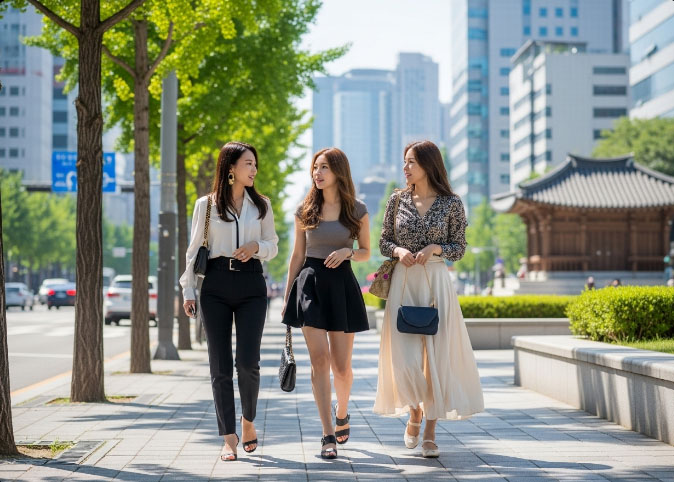
Understanding Korea’s Summer Climate
Korea has a humid continental climate with very distinct seasons. Summer typically begins in June and lasts until early September. During this period temperatures frequently reach above thirty degrees Celsius, and humidity levels often climb above seventy percent. The high humidity is what makes the heat feel heavier than many visitors expect.
Another important part of the Korean summer is the monsoon season, known locally as jangma. This rainy period usually begins in late June or early July and can last several weeks.
During the monsoon season, rain may fall for several days in a row. Sometimes it is light and steady, while other times it arrives in intense storms. For someone who has never experienced a monsoon climate, the combination of heat and constant rain can feel challenging at first.
Why the Humidity Feels So Strong
Many foreigners say the same thing during their first Korean summer. The temperature does not seem extreme on paper, but it feels much hotter outside.
Humidity is the reason. When the air contains a high amount of moisture, sweat evaporates more slowly from the skin. Because the body cannot cool itself efficiently, the heat feels stronger than it actually is.
This is why a thirty degree day in Seoul can sometimes feel hotter than a higher temperature in a dry climate. Understanding this simple fact helps explain why Koreans organize many daily habits around avoiding the worst heat of the day.
How Locals Stay Comfortable
Koreans have developed many small routines to deal with the summer climate. One of the most noticeable habits is avoiding outdoor activity during the hottest afternoon hours. Many people schedule errands early in the morning or later in the evening when temperatures are slightly lower.
Air conditioning also plays an important role. Public transportation, shopping centers, cafes, and offices are usually well cooled during summer. At home, many residents also use electric fans or small dehumidifiers to reduce indoor moisture levels.
Another popular strategy is choosing lightweight clothing made from breathable fabrics. Loose cotton or linen clothing helps the body stay cooler than heavy synthetic materials. These small choices make daily life much more comfortable during the humid season.
Surviving the Monsoon Season
When the monsoon arrives, preparation becomes very important. The most essential item in Korea during summer is a good umbrella. Almost everyone carries one in their bag during the rainy season because sudden showers are common.
Water resistant shoes are also helpful. Many Koreans avoid wearing delicate shoes during this period because sidewalks can become wet quickly.
Public transportation becomes especially useful during heavy rain. Subway systems in major cities such as Seoul, Busan, and Daegu allow people to travel across the city while staying mostly indoors.
It is also common for people to check weather apps frequently. Forecasts are widely used to decide when to travel, exercise, or plan outdoor activities.
Seasonal Foods That Help Beat the Heat
Food culture in Korea also reflects the summer climate. One interesting tradition is eating hot soup dishes during the hottest days of the year. The most famous example is samgyetang, a ginseng chicken soup that many people eat during special summer days known as sambok.
The idea may sound strange at first, but many Koreans believe that warm nourishing food helps restore energy lost during hot weather.
Cold dishes are also very popular. Naengmyeon, a chilled noodle dish served in icy broth, becomes especially common in summer. Fresh fruits such as watermelon are another favorite seasonal treat. These foods are not just delicious. They are part of how locals cope with the summer heat.
Practical Tips for International Students
For international students arriving in Korea, a few simple preparations can make a big difference.
First, choose housing with reliable air conditioning. Most modern apartments and dormitories have it, but it is worth confirming in advance.
Second, always carry a small towel or handkerchief. Many Koreans use them to wipe sweat during very humid days.
Third, stay hydrated. Convenience stores are everywhere in Korea, and cold drinks are easy to find when the heat becomes intense.
Finally, try to keep a flexible schedule during the rainy season. Outdoor plans sometimes need to change quickly because summer storms can appear with little warning.
A Summer Experience You Will Remember
Despite the humidity and rain, summer in Korea also has a lively energy. Night markets become busy after sunset, river parks fill with people enjoying evening breezes, and festivals often take place along the coast and in mountain areas.
For many international students, their first Korean summer becomes a memorable experience filled with late night street food, unexpected rainstorms, and the simple relief of stepping into a cool subway station after walking through the heat.
The season may feel intense at first, but once you learn how locals adapt to it, the Korean summer becomes much easier to enjoy.