
Ocean-Safe Beauty: Why Portuguese Women Love Clean K-Beauty
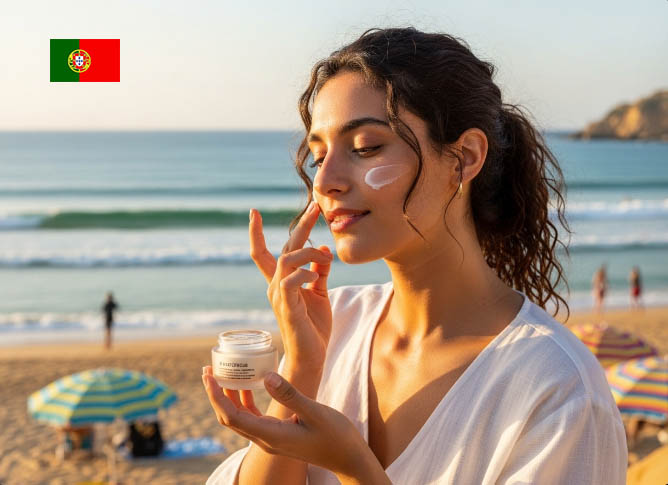
Portugal is a country that lives with the ocean. From Lisbon’s coastal breeze to the surf culture of Algarve, the sea is part of daily life. And when you grow up surrounded by beaches and saltwater, you naturally start thinking about what goes into the ocean as much as what goes onto your skin.
That’s one reason many Portuguese women have recently fallen in love with clean K-Beauty. Korean skincare is already famous for gentle formulas and innovative ingredients, but a growing number of brands are also focusing on sustainability and environmentally responsible beauty. For people who spend weekends swimming, surfing, or simply walking along the coast, that combination is incredibly appealing.
From a Korean perspective, it’s interesting to see how our beauty culture connects with lifestyle trends abroad. What started here as a focus on healthy skin and mindful ingredients is now part of a global conversation about ocean-safe skincare.
What Clean K-Beauty Really Means
If you walk into a beauty store in Seoul today, you’ll notice something immediately. Many products highlight words like vegan, low-irritation, or minimal ingredients. This is part of the clean beauty movement that has become increasingly important in Korea.
In Korean skincare, clean beauty usually refers to formulas that focus on skin-friendly ingredients while avoiding unnecessary additives. Many brands emphasize transparency in ingredient lists and choose botanicals or dermatologically tested components that are gentle for sensitive skin.
Unlike some Western definitions that simply ban long lists of ingredients, Korean brands tend to focus on balance. The idea is simple: keep only what your skin truly needs and remove what it doesn’t.
This philosophy fits perfectly with people who want skincare that is effective but also mindful of the environment.
Why Ocean-Friendly Skincare Matters
For coastal countries like Portugal, the impact of cosmetics on the ocean is not just theoretical. Sunscreens and skincare products can wash off in the sea and affect marine ecosystems.
Researchers estimate that thousands of tons of sunscreen enter the ocean each year, and certain ingredients such as oxybenzone or octinoxate are known to contribute to coral bleaching and marine damage.
Because of this, more consumers are looking for reef-safe or environmentally responsible products. Korean beauty brands have started responding with formulations that avoid some of these controversial ingredients and focus on safer UV filters or mineral-based protection. For Portuguese beachgoers who spend long days near the Atlantic, that matters.
Korean Ingredients That Appeal to European Skincare Lovers
Another reason K-Beauty resonates in Portugal is its unique ingredient culture. Korean skincare often combines modern cosmetic science with plant-based traditions. Some of the most loved ingredients include:
- Green tea extract from Jeju Island, known for calming irritated skin and delivering antioxidants.
- Centella asiatica, often called cica, famous for soothing sensitive or sun-stressed skin.
- Fermented extracts that help strengthen the skin barrier and improve hydration.
- Plant-based oils that moisturize without clogging pores.
These ingredients are widely used in sustainable Korean formulations because they are effective while also aligning with environmentally conscious skincare trends. For someone spending time outdoors under the Portuguese sun, gentle hydration and barrier protection are exactly what the skin needs.
Why Portuguese Women Prefer Gentle Skincare
Climate also plays a role. Portugal has a Mediterranean climate with long sunny summers and salty sea air. This combination can be tough on skin. Strong cleansers or heavy cosmetic products often make irritation worse. Korean skincare is different. Instead of harsh treatments, it focuses on gradual improvement through hydration, soothing ingredients, and consistent routines.
Many Portuguese beauty bloggers and skincare enthusiasts appreciate this philosophy because it supports healthy skin without aggressive treatments. Rather than fighting your skin, K-Beauty works with it. And honestly, that’s something we Koreans value deeply too. In Korea, skincare is often seen as a daily act of care rather than a quick fix.
Sustainable Packaging and Conscious Beauty
Clean K-Beauty today is not only about ingredients. Packaging and environmental responsibility are also becoming major priorities. Many Korean brands are experimenting with:
- Refillable containers
- Recyclable packaging
- Vegan formulas
- Cruelty-free testing practices
This broader movement is sometimes called conscious beauty, where consumers choose products that consider environmental and social impact alongside performance. For Portuguese consumers who already care about protecting beaches and marine ecosystems, this philosophy feels very natural.
The Cultural Connection Between Portugal and Korea
At first glance, Portugal and Korea might seem worlds apart. One is a European coastal country known for surfing and seafood, while the other is an East Asian nation famous for technology and beauty innovation. Yet both cultures share an appreciation for nature, wellness, and everyday rituals.
In Korea, skincare routines are part of daily self-care. In Portugal, spending time by the ocean is part of daily life. When clean K-Beauty meets Portugal’s coastal lifestyle, the result is a beauty approach that respects both skin health and the environment. That’s why many Portuguese women are discovering that Korean skincare fits perfectly into their routine.
A New Wave of Responsible Beauty
The popularity of clean K-Beauty in Portugal shows something bigger than just a trend. It reflects a shift in how people think about beauty products. Consumers today want skincare that is:
- Effective
- Gentle
- Transparent
- Environmentally responsible
Korean brands are increasingly meeting these expectations with formulas that focus on fewer ingredients, plant-based extracts, and sustainable practices. For people living close to the ocean, that matters more than ever.
Because in the end, beauty shouldn’t come at the expense of the planet. And that idea is something both Portugal and Korea can agree on.