
Most Popular Korean Dramas and Varieties Trending on Chinese Social Media
K-Drama in China: A Cultural Phenomenon
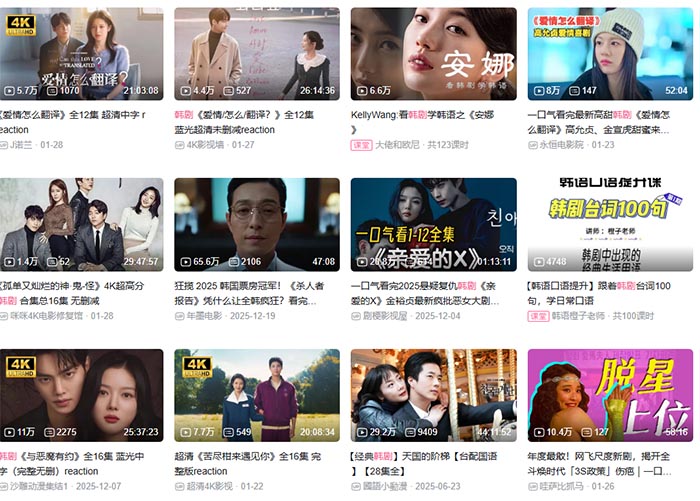
Korean dramas aren’t a niche interest in China anymore. They’ve become part of daily social media conversation on platforms like Weibo, Douyin, and Bilibili, where clips, memes, and discussions regularly go viral. Chinese audiences have long appreciated Korean storytelling — emotional depth, aesthetic visuals, and characters with relatable struggles — and in 2026 this trend remains strong across multiple genres.
Global Hits That Still Spark Conversations
Some K-dramas continue to surface in Chinese social feeds thanks to enduring popularity and viral moments. For example, Squid Game remains a touchstone for global audiences, including China, where its commentary on social inequality resonates widely even years after its release. Its upcoming second season and inclusion in surveys of most popular global content keep it in the spotlight.
Another drama often referenced across platforms is Queen of Tears, a 2024 hit praised for its emotional storytelling and chemistry between leads. It frequently appears in trending lists and recommendations shared by Chinese fans.
Even older but iconic series like Crash Landing on You remain part of fan conversations, shared with nostalgic clips and quotes, especially among communities that enjoy romance and cross-cultural narratives.
Emerging Favorites and 2026 Anticipation
While classics continue to matter, Chinese social media also buzzes about ongoing and upcoming Korean content. Fans regularly comment on teaser snippets from new series slated for release in 2026 — from historical fantasies and political thrillers to romantic comedies. Media outlets and fan forums discuss titles like The Remarried Empress, Made in Korea Season 2, and other anticipated shows that are already generating hashtags and buzz.
This year’s slate reflects not just genre diversity but an ongoing willingness among Chinese viewers to invest in Korean narratives that balance romantic intrigue, family drama, and thrilling suspense.
Variety Shows: Real-Life Entertainment That Transcends Borders
While K-dramas often steal headlines, Korean variety shows also attract attention because they are easily clipped, subtitled, and shared. Formats like travel shows, reality dating series, cooking competitions, and celebrity talk programs allow audiences to connect with real personalities, not just fictional characters.
Chinese fans frequently repost funny moments, cultural exchanges, and memorable reactions from variety episodes, especially when they feature popular Korean stars or crossover guests from other countries. These bite-size videos thrive on Douyin and Bilibili, where interactive comments and fan culture extend viewership beyond original broadcasts.
Why Chinese Audiences Love Korean Content
There are a few reasons why Korean dramas and variety content continue trending on Chinese social platforms:
Emotional Storytelling: Korean dramas often explore themes of love, family conflict, personal growth, and social pressure in ways that feel authentic and moving to many viewers.
High Production Quality: Cinematic visuals, detailed set design, and polished soundtracks help Korean shows stand out compared to many other serialized programs.
Digital Friendliness: Korean content is easy to clip, caption, and share. That makes it ideal for social platforms where short videos and screenshots lead to discussion threads and memes.
Social Media Trends and Fan Culture
On Weibo, Douyin, and Bilibili, user-generated content — fan edits, reaction videos, quote collections, and “most emotional scenes” compilations — dominate discussions about Korean entertainment. Chinese viewers don’t just passively watch dramas; they remix and reinterpret them. A scene from a romantic confession might become a trending hashtag, while a funny reaction in a variety show might spark an entire week’s worth of laughter and duet videos.
This grassroots engagement is a big reason why Korean shows maintain long-life cycles on social platforms — even older series get revived when a new meme or challenge starts circulating.
Some Recent Viral Moments
One viral trend involved IU and Kim Seon-ho from a popular web series where fans shared scenes and creative edits across multiple platforms — sometimes even getting reactions from international celebrities.
Even older dramas often get rediscovered when clips relevant to modern meme culture resurface, turning a classic into today’s conversation starter.
The Role of Cultural Sensitivity and Balance
It’s worth noting that not all Korean content trends positively in China; occasionally, scenes or lines provoke heated debate, leading discussions into political or cultural territory. But for the most part, Chinese audiences engage with Korean entertainment on the basis of story strength, character empathy, and shared emotion.
Looking Ahead: Content with Staying Power
As Korean entertainment continues to evolve, Chinese social media will likely reflect these changes. New dramas, spin-offs, and variety formats will emerge, but the core appeal — compelling storytelling and relatable characters — will remain the driving force behind why these shows trend.
From historical sagas to contemporary romances and lively variety moments, Korean content lives on Chinese social feeds not just because it’s popular, but because it feels alive to the people who watch it.