
Korean Skincare Terms You Need to Know
One reason Korean skincare feels exciting to foreigners is also the exact reason it feels confusing at first.
The moment people start exploring K Beauty, they suddenly encounter unfamiliar words everywhere. Essence, ampoule, cica, glass skin, sleeping pack, double cleansing, tone up cream, skin barrier, and countless other skincare terms begin appearing in product descriptions and beauty videos online.
For beginners, Korean skincare can almost feel like learning a completely new language.
Interestingly, many of these terms reflect deeper differences between Korean beauty philosophy and Western skincare culture. Korean skincare often focuses heavily on hydration, prevention, skin balance, and long term maintenance rather than aggressive correction alone.
Understanding the meaning behind common Korean skincare terms helps people build better routines and avoid unnecessary confusion when shopping for K Beauty products.
Here are some of the most important Korean skincare terms every beginner should understand.
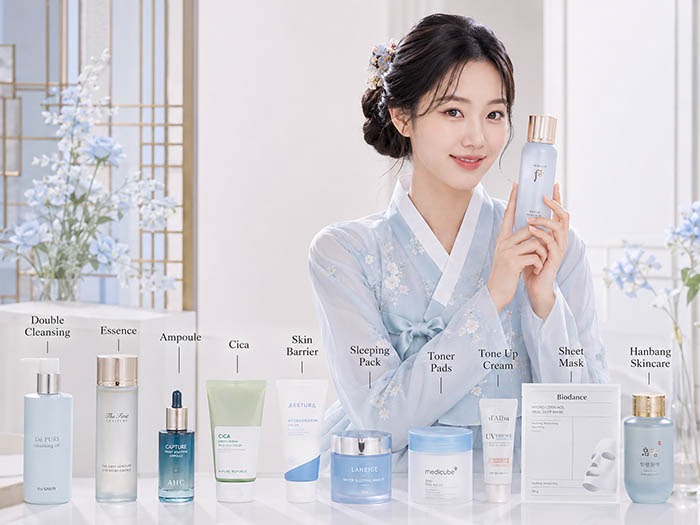
Glass Skin(글래스 스킨)
Few Korean beauty terms became more globally famous than “glass skin.”
Glass skin refers to skin that appears deeply hydrated, smooth, clear, and naturally radiant almost like reflective glass under light.
Many foreigners misunderstand glass skin as meaning oily or unrealistic perfection. In Korea, the idea usually focuses more on healthy hydrated skin texture rather than heavy makeup or artificial shine.
The glass skin trend became globally influential because it shifted attention toward skincare itself instead of simply covering the skin with cosmetics. Hydration, gentle exfoliation, sunscreen, and skin barrier care are usually considered the foundation of achieving this look.
Double Cleansing(더블 클랜징)
Double cleansing became one of the most influential Korean skincare habits worldwide. This method involves cleansing the face twice using two different types of cleansers.
The first cleanser is usually oil based to remove sunscreen, makeup, excess sebum, and pollution. The second cleanser is water based to clean remaining residue gently.
Many foreigners initially think double cleansing sounds excessive. But Korean skincare culture places enormous importance on proper cleansing because sunscreen and makeup are treated as daily essentials. Double cleansing helps clean the skin thoroughly without harsh scrubbing.
Essence(에센스)
Essence is one of the most uniquely Korean skincare categories and one of the most confusing for beginners.
An essence usually has a lightweight texture designed to hydrate and condition the skin while helping later products absorb more effectively. It sits somewhere between toner and serum in texture and concentration.
Korean skincare popularized essence globally because it fit perfectly into the layered hydration philosophy central to K Beauty routines. Many people notice smoother and healthier skin over time through consistent essence use.
Ampoule(앰플)
Ampoules are highly concentrated skincare products targeting specific concerns like dullness, dehydration, acne marks, redness, or anti aging. Compared to regular serums, ampoules are often considered slightly more intensive or specialized.
In Korean skincare culture, ampoules are commonly used when skin feels stressed, irritated, or in need of extra care temporarily. Many Korean beauty brands release ampoules focused on calming the skin barrier rather than aggressive treatment.
Cica(시카)
Cica became one of the biggest global skincare trends thanks largely to Korean beauty brands.
The term comes from centella asiatica, a plant ingredient traditionally associated with soothing and healing properties. Korean cica products usually focus on calming irritated skin, supporting the skin barrier, and reducing redness.
As more people worldwide began experiencing skin sensitivity from harsh skincare routines, cica creams and serums became extremely popular internationally. Today, cica is almost synonymous with gentle skincare.
Skin Barrier(스킨 베리어)
The skin barrier became one of the most important concepts in modern Korean skincare.
The barrier refers to the outer protective layer of the skin responsible for maintaining moisture and protecting against irritation. Many Korean skincare products prioritize supporting this barrier instead of aggressively stripping or over exfoliating the skin.
This philosophy became especially influential globally because many consumers realized damaged skin barriers often worsen acne, redness, dehydration, and sensitivity. Barrier care products containing ceramides, panthenol, cica, and hyaluronic acid became especially popular.
Sleeping Pack (슬리핑 팩)
A sleeping pack, sometimes called a sleeping mask, is an overnight skincare product designed to deeply hydrate and nourish the skin while sleeping.
Unlike heavy traditional night creams, many Korean sleeping packs feel lightweight and breathable. Laneige Water Sleeping Mask became one of the most internationally recognized examples.
The popularity of sleeping packs reflects Korean beauty culture’s strong emphasis on overnight hydration and long term skin maintenance.
Toner Pads(토너 패드)
Toner pads became one of the fastest growing K Beauty product categories in recent years.
These are pre soaked cotton pads containing toner or exfoliating ingredients used for hydration, gentle exfoliation, or calming care. Many Koreans use toner pads quickly during busy mornings because they feel convenient and easy.
Products from brands like Mediheal, Needly, and Abib became extremely popular internationally after social media exposure. Toner pads also represent Korea’s focus on practical skincare convenience.
Tone Up Cream(톤업 크림)
Tone up creams are another skincare category that sometimes confuses foreigners. Unlike foundation, tone up creams usually brighten the skin temporarily using lightweight formulas that create a fresher appearance.
Some products also include sunscreen functionality. These creams became popular in Korea because many consumers prefer natural bright skin finishes instead of heavy makeup coverage.
Foreign consumers unfamiliar with Korean beauty trends sometimes mistake tone up creams for whitening products, but most modern products focus more on temporary brightening effects.
Sheet Mask(시트 마스크)
Sheet masks are probably one of the most globally recognizable Korean skincare products. These masks are soaked in serum or essence and placed directly onto the skin for temporary hydration and soothing care.
Although not every Korean woman uses sheet masks daily, they remain strongly associated with K Beauty culture worldwide. One reason sheet masks became so popular is because they combine skincare with relaxation and self care.
The variety also helped their popularity. Korean stores offer masks for hydration, calming care, brightening, acne support, and anti aging.
Hanbang Skincare(한방 스킨케어)
Hanbang refers to traditional Korean herbal medicine ingredients used in skincare. Brands like Sulwhasoo and Beauty of Joseon helped popularize hanbang beauty internationally.
Ingredients like ginseng, rice extract, mugwort, and fermented herbal formulas became associated with traditional Korean beauty philosophy.
Hanbang skincare often emphasizes long term skin balance and nourishment rather than quick dramatic transformation. This category appeals strongly to consumers interested in traditional Asian beauty culture.
Why These Terms Matter
Understanding Korean skincare terminology helps people move beyond marketing hype and understand how Korean beauty routines actually function. Many K Beauty terms reflect larger cultural ideas about prevention, hydration, skin balance, and consistency.
Unlike skincare systems focused only on correcting visible flaws aggressively, Korean skincare often approaches beauty as gradual long term maintenance.
This philosophy feels refreshing to many people worldwide.
The reason K Beauty terminology spread globally is because the products themselves introduced completely different ways of thinking about skincare.
For many foreigners, learning Korean skincare terms becomes more than understanding beauty products alone. It becomes understanding why Korean skincare culture feels so different from what they experienced before.