
Korean Skincare Secrets That Actually Work: What Locals Really Use
If you spend enough time in Korea, you quickly realize something: most people aren’t doing a complicated 10-step routine every night. What you see online is often exaggerated. Real Korean skincare is simpler, more consistent, and built around long-term skin health rather than quick fixes. Here’s what actually works straight from how locals approach skincare in everyday life.
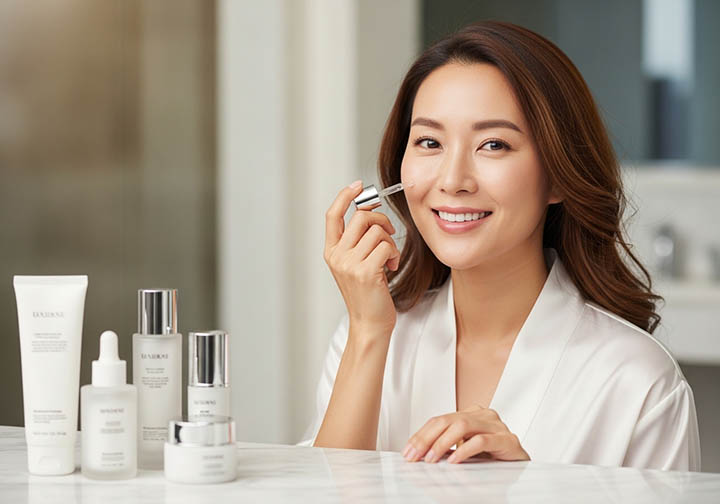
Less Steps, Better Results
One of the biggest misconceptions is that Korean skincare is all about layering endless products. In reality, most people stick to about 4 to 6 essential steps depending on their skin condition.
A typical routine looks like this:
- Morning: gentle cleanse, treatment (like toner or serum), moisturizer, sunscreen
- Night: double cleanse, treatment, moisturizer
The focus is not on quantity, but on using the right products consistently. Overdoing it can actually damage your skin barrier, which is something dermatologists in Korea constantly warn about.
Hydration Is Everything
If there’s one core philosophy behind Korean skincare, it’s hydration. Not heavy creams, but layers of lightweight moisture that keep the skin balanced throughout the day.
Korean routines prioritize ingredients like hyaluronic acid, fermented extracts, and essence-type products that deliver hydration deep into the skin. This is why “glass skin” isn’t about shine it’s about well-hydrated, healthy skin that reflects light naturally.
Prevention Over Correction
In Korea, skincare starts early. Teenagers already use sunscreen daily and maintain basic routines. The goal isn’t to fix problems later it’s to prevent them entirely.
This mindset is one of the main reasons K-beauty became globally influential. It focuses on maintaining skin health long-term rather than covering flaws with makeup. That’s also why sunscreen is considered non-negotiable. Many locals treat it as the most important step in their routine.
Gentle Ingredients Win Over Harsh Treatments
Unlike some Western skincare trends that rely on strong acids or aggressive exfoliation, Korean skincare leans toward gentle, barrier-friendly ingredients.
Recent trends show increasing popularity of soothing ingredients like centella asiatica and even newer calming compounds like azulene, which helps reduce redness and irritation. Even exfoliation is typically mild using enzymes or low-strength acids that can be used regularly without damaging the skin barrier.
Consistency Beats Trend Chasing
One thing you’ll notice about locals is that they rarely jump between products every week. Once they find something that works, they stick with it. Skincare in Korea is treated more like a daily habit than a trend. Real results like brighter skin, fewer breakouts, and smoother texture come from consistency over weeks or even months, not overnight transformations.
Skin Barrier First Mentality
Recently, there’s been a strong shift in Korea toward “barrier care.” Instead of targeting specific issues aggressively, people focus on strengthening the skin itself.
This includes:
- Using low-pH cleansers
- Avoiding over-exfoliation
- Layering hydrating products
- Choosing soothing ingredients
Over-cleansing and over-exfoliating are now widely recognized as common mistakes that can actually worsen skin conditions.
What Locals Actually Buy (Not What Goes Viral)
Interestingly, what’s popular internationally isn’t always what Koreans use daily. Many locals rely on practical, affordable products they can buy at stores like Olive Young, often focusing on effectiveness rather than branding.
They also trust real user reviews and everyday content creators more than big influencers. Authentic routines matter more than marketing. The Real Secret: It’s a Lifestyle, Not a Routine
Korean skincare isn’t just about products. It’s tied to habits:
- Drinking enough water
- Eating balanced meals
- Managing stress
- Getting proper sleep
The skincare routine supports these habits it doesn’t replace them.