
Korean Skincare Secrets for Tropical Climates
How to Get ‘Glass Skin’ in Brazil
If you’ve ever watched Korean skincare videos online, you’ve probably heard about glass skin that smooth, luminous, almost translucent finish that looks effortless yet enviable. In Korea itself, people obsess over hydration, barrier strength, and layering lightweight skincare to achieve that dewy glow.
But if you live in a tropical climate like Brazil’s where heat, humidity, and sun exposure add daily challenges you can’t just copy a routine from Seoul and expect magic.
Here in Korea, we learn to adapt our routines to seasons and environments, and the same principles work beautifully in a warm, sticky climate: focus on hydration that doesn’t feel heavy, protection that respects strong UV exposure, and components that soothe inflammation from sweat and pollen.
The trick to glass skin in Brazil isn’t piling on more products it’s choosing the right products and using them in the right way.
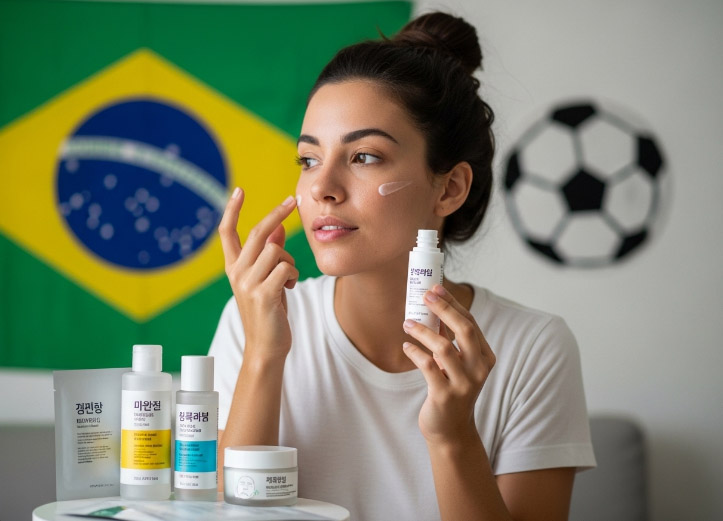
Understand What ‘Glass Skin’ Really Means
Glass skin isn’t a single product result. It’s about texture, hydration, and skin health:
- Even, smooth texture
- Balanced moisture without oiliness
- Soft glow from within, not grease on the surface
In tropical climates, your skin might produce more oil naturally because of temperature and humidity. So the goal isn’t to strip away oil, but to balance sebum production while giving enough hydration to prevent dehydration, which actually triggers more oiliness.
Morning Routine: Light, Hydrating, Protective
1. Gentle Cleansing
Start your day with a mild, low-pH cleanser. In humid weather, you might not have heavy makeup residue, but sweat and pollution accumulate overnight. A soft foam cleanser refreshes without stripping.
2. Hydrating Toner or Essence
Korean routines emphasize an early layer of water-based hydration. Choose a toner or essence with hyaluronic acid or snail mucin both hold moisture without thickness. This step sets your skin up to absorb the rest of your products.
3. Lightweight Serum
Pick a serum that targets your main concern: brightening, barrier repair, or texture. For tropical climates, serums with niacinamide or peptides work well because they improve skin quality without adding weight.
4. Gel-Type Moisturizer
Instead of creams that feel too rich, use gel or emulsion formulas. These lock in hydration but stay breathable when heat and humidity are high.
5. Sunscreen Non-Negotiable
This is the most critical step if you’re in Brazil. Daily UV exposure is intense, so choose a light, broad-spectrum sunscreen (SPF 30–50, PA++++) that sits comfortably under makeup or alone. Many Korean sunscreens are hydrating yet non-greasy ideal for tropical climates.
Evening Routine: Repair and Restore
1. Double Cleansing (if you wore sunscreen)
Start with a light cleansing oil or balm to remove sunscreen, then follow with your gentle cleanser. This ensures your pores are clean without irritation.
2. Exfoliation Once or Twice a Week
Tropical climates can trap sweat and dead skin cells more easily. A chemical exfoliant (AHA or BHA) once or twice a week clears buildup and keeps skin smooth. Don’t overdo it too much exfoliation stresses your barrier.
3. Hydrating Layers
Reuse your morning toner or essence, followed by targeted serums. Nighttime is when skin repairs itself, so ingredients like centella asiatica or ceramides help calm and rebuild the barrier after sun exposure.
4. Moisture Seal
Finish with a gel cream or sleeping mask that provides moisture without heaviness. In winter or during air-conditioned nights, you can switch to a slightly richer formula.
Climate-Smart Tweaks That Make a Difference
Tropical climates demand adjustments:
- Humid days: Use lighter layers and re-apply sunscreen every two hours if you’re outdoors.
- Rainy season: Expect more sweat and possible irritation. Soothing ingredients like aloe vera, centella, and green tea extracts balance sensitivity.
- Dry air-conditioned environments: Even in tropical zones, indoor AC dries air. A humidifier near your bedside or work area helps maintain moisture.
Common Mistakes to Avoid
Skipping sunscreen because it feels “heavy”
In Brazil’s sun, that’s a sure way to trigger pigmentation and dullness.
Over-washing the face
More cleansing doesn’t equal cleaner skin it weakens your skin barrier and causes rebound oiliness.
Using thick creams thinking they hydrate better
Heavy creams in heat cause congestion. Light layering is smarter.
Ingredient Focus: What Works Best
Here are ingredients that combine Korean skincare science with climate sensibility:
- Hyaluronic acid: Attracts and holds moisture
- Niacinamide: Improves skin tone and texture
- Centella asiatica: Soothes irritation
- Ceramides: Strengthens the skin barrier
- Green tea extract: Calms heat-related inflammation
Choosing products with these actives helps your skin stay calm, hydrated, and glowing even when the weather fights you.
Lifestyle Habits for Glass Skin in Tropics
Skincare isn’t just topical. What you do matters:
- Hydrate internally: South Korea’s humid summers remind us that water intake influences skin just as much as creams.
- Balanced diet: Antioxidant-rich foods (fruits, leafy greens) support skin health from within.
- Sleep quality: Nighttime repair happens when you sleep prioritize good rest.
- Sun avoidance during peak hours: Even with sunscreen, shade and hats help.