
Korean Marriage Culture What Foreigners Should Know
Understanding Marriage in Korean Society
Marriage in Korea is not only about two individuals forming a partnership. Traditionally, it represents the union of two families. This perspective is deeply influenced by Confucian values that emphasize family harmony, respect for elders, and social responsibility.
For foreigners who are dating or planning to marry a Korean partner, understanding this family centered perspective is essential. While modern Korean couples often marry for love, family approval and involvement still play an important role in the process.
In many cases, a relationship becomes serious when partners introduce each other to their parents. Meeting the family is often viewed as a step toward long term commitment rather than a casual social event. Because of this cultural context, marriage in Korea can sometimes feel more structured compared to Western cultures where individual choice may dominate the decision.
The Importance of Family Approval
One of the biggest cultural differences foreigners notice is the importance of family approval in Korean relationships. Parents are often involved in discussions about marriage, finances, and long term planning. Historically, many marriages were arranged or facilitated by matchmakers who introduced compatible partners based on family background, education, and social status.
While modern dating culture is much more independent today, family expectations still matter. Parents may want to know details about a future son or daughter in law such as their career, education, and family background.
For foreigners, this attention may feel surprising at first. However, it is usually rooted in concern for long term stability and family harmony rather than control.
Meeting the Parents in Korean Culture
In Korea, meeting the parents is a significant milestone in a relationship. It is often considered the first step toward marriage rather than a casual introduction.
The meeting is usually formal and respectful. The visiting partner may bring gifts such as fruit, health supplements, or traditional sweets. Showing politeness and humility during this first meeting can leave a strong positive impression. Respect for elders is highly valued in Korean culture, so gestures like bowing slightly or using polite language are appreciated.
This first meeting is not just about personal chemistry. It is also an opportunity for families to evaluate compatibility and discuss expectations for the future.
Engagement Traditions and Family Gifts
Before the wedding, families sometimes exchange symbolic gifts that represent respect and commitment. In traditional Korean marriage culture, the groom’s family often provided a house for the newlyweds, while the bride’s family helped furnish the home.
Although modern couples increasingly share financial responsibilities, these customs still influence expectations today. Some couples also exchange engagement gifts called yemul, which may include jewelry or luxury items given to the bride.
These traditions reflect the cultural idea that marriage is a collaborative effort between families rather than just a private decision.
Modern Korean Wedding Ceremonies
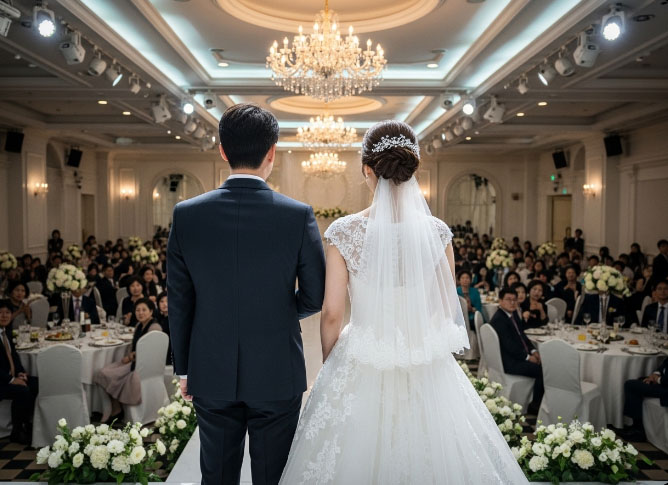
Today, most Korean weddings take place in wedding halls rather than churches or private venues. These ceremonies often follow a schedule that allows multiple weddings to occur on the same day at the same location. The formal ceremony typically lasts about 30 minutes and includes vows, speeches, and the exchange of rings.
Guests usually bring cash gifts in white envelopes rather than physical presents. This tradition helps couples offset wedding expenses and is considered the most practical form of gift giving. After the ceremony, guests enjoy a buffet style reception and may greet the bride and groom for photographs.
For many foreigners attending their first Korean wedding, the structured format can feel very efficient compared to longer Western ceremonies.
Traditional Rituals in Korean Weddings
Even in modern weddings, traditional elements are often included to honor cultural heritage. One of the most meaningful rituals is the traditional family ceremony known as Pyebaek. During this ritual, the newlyweds bow deeply to the groom’s parents as a sign of respect and gratitude.
The couple may also present symbolic foods such as dates and chestnuts to their parents. These foods represent wishes for fertility and a prosperous family.
The parents then offer words of advice and blessings for the couple’s future together. Although originally reserved for close family members, many modern weddings include the Pyebaek ceremony as a cultural highlight.
Traditional Wedding Clothing
Korean weddings often incorporate traditional clothing called hanbok. The bride may wear a colorful hanbok with embroidered designs symbolizing happiness, longevity, and prosperity. Historically, special ceremonial garments such as the hwarot robe were worn during royal weddings and later became part of traditional wedding attire.
The groom typically wears a blue hanbok and traditional hat. Even couples who hold Western style ceremonies sometimes change into hanbok during the reception or Pyebaek ceremony to celebrate Korean culture. For foreigners marrying into Korean families, wearing hanbok can be a meaningful way to participate in these traditions.
Living Arrangements and Family Expectations
Another aspect of Korean marriage culture that foreigners should understand is the strong emphasis on family responsibility. In the past, it was common for newly married couples to live with the groom’s parents. This arrangement reflected the Confucian value of filial piety, which emphasizes respect and care for elders.
While this practice is less common today, family relationships remain very important after marriage. Couples are often expected to visit parents regularly during holidays and family events such as Lunar New Year or Chuseok. Maintaining these relationships helps strengthen family bonds across generations.
Modern Changes in Korean Marriage Culture
Korean marriage culture is evolving rapidly as society becomes more global and individualistic. Young couples increasingly prioritize personal compatibility and career goals when choosing a partner. International marriages have also become more common, particularly in large cities like Seoul.
Many modern couples choose simpler weddings, share living expenses equally, and establish independent households. Despite these changes, traditional values such as family respect and social harmony continue to influence marriage expectations.
For foreigners, understanding both the modern and traditional aspects of Korean culture can make cross cultural relationships much smoother.
Final Thoughts
Marriage in Korea blends tradition, family values, and modern lifestyles. For foreigners entering a relationship with a Korean partner, learning about these cultural expectations can help avoid misunderstandings and strengthen mutual respect.
While customs may vary between families, the core idea remains consistent. Marriage is not only about two people falling in love but also about building a lasting relationship between two families.
Approaching Korean marriage culture with openness, curiosity, and respect will make the journey far more meaningful for everyone involved.