
K-Beauty in China: Achieving the Ultimate Transparent Glow
Walk through beauty districts in cities like Shanghai, Beijing, Guangzhou, or Shenzhen, and it becomes immediately obvious how deeply Korean beauty culture has influenced modern Chinese skincare habits. Korean skincare products dominate online beauty discussions, Korean makeup tutorials trend constantly on social media, and the phrase “transparent glow skin” has become one of the most desired beauty goals among young consumers.
What makes this trend particularly interesting is that Chinese beauty standards already valued clear and smooth skin long before K Beauty became globally popular. Korean beauty did not create the desire for healthy skin in China. Instead, it introduced new methods, products, and routines that many people felt delivered visible results.
Today, Korean beauty routines are shaping how millions of people in China approach skincare and self care.
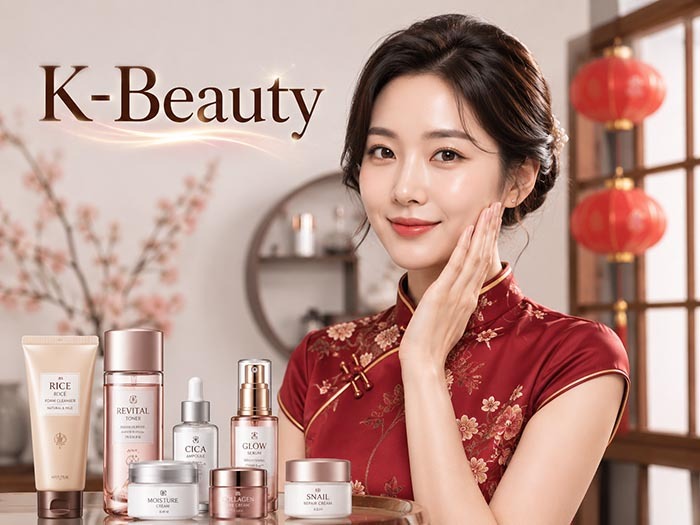
The Meaning Behind the Transparent Glow Trend
The “transparent glow” look is very different from heavy makeup trends popular in some Western countries. Instead of full coverage foundation or dramatic contouring, Korean inspired beauty focuses on skin that looks naturally hydrated, smooth, and healthy from within.
In China, many young women describe this ideal as skin that almost appears light reflecting under natural sunlight. The goal is not simply whiteness or brightness. It is healthy looking skin with balance, moisture, and softness.
This is one reason Korean skincare became so influential. Korean beauty brands focused heavily on hydration, skin barrier repair, lightweight textures, and layered skincare routines long before these concepts became mainstream internationally.
Chinese consumers quickly noticed the difference between traditional heavy cosmetic products and Korean skincare systems designed to improve the skin gradually over time.
Chinese Social Media Accelerated K Beauty Growth
Platforms like Xiaohongshu, Douyin, and Weibo played a massive role in spreading Korean beauty trends across China.
Beauty influencers regularly share Korean skincare routines, Seoul beauty shopping experiences, Korean dermatology treatments, and Korean makeup tutorials. Many Chinese consumers trust real user reviews more than traditional advertising, which helped Korean beauty products spread rapidly through online communities.
The rise of Korean celebrity influence also cannot be ignored. Korean actresses and K pop idols are constantly discussed for their skin quality, minimal makeup looks, and youthful appearance.
Many Chinese beauty creators specifically analyze Korean celebrity skincare routines in detail. Sheet masks, toner layering, ampoules, and sunscreen application techniques became especially popular because of these online discussions.
The beauty industry in China is now heavily connected to Korean beauty culture through digital influence.
Hydration Became More Important Than Heavy Makeup
One major shift caused by K Beauty in China is the increased focus on skincare over makeup. Many younger consumers now prioritize repairing their skin barrier, maintaining hydration, and preventing irritation instead of relying only on makeup to hide skin concerns.
Korean skincare routines often emphasize prevention rather than correction. Cleansing gently, moisturizing properly, protecting the skin from UV damage, and avoiding overly aggressive products became increasingly common habits among Chinese consumers influenced by Korean beauty philosophy.
This approach strongly appealed to people dealing with pollution, stress, irregular sleep schedules, and dry indoor environments common in large Chinese cities. Many consumers noticed that healthier skin reduced the need for heavy foundation altogether.
Korean Beauty Stores Became Popular Tourist Destinations
Before travel restrictions in recent years, beauty shopping in Seoul became one of the main reasons many Chinese tourists visited Korea. Areas like Myeongdong, Gangnam, and Hongdae were filled with Chinese visitors searching for the latest Korean skincare products. Korean cosmetic stores adapted quickly by hiring Mandarin speaking staff and offering tax free shopping services.
For many tourists, Korean beauty shopping felt exciting because Korea constantly releases new skincare trends faster than many other countries. Cushion foundations, sleeping masks, cica creams, fermented skincare products, and lightweight sunscreens all gained popularity in China partly because travelers introduced them after visiting Korea.
Even today, many Chinese consumers still view Korea as one of the global centers of skincare innovation.
The Korean Beauty Philosophy Feels Attainable
One reason K Beauty became so successful in China is that the beauty philosophy feels realistic and approachable. Instead of promoting perfection through heavy cosmetic procedures, Korean beauty marketing often emphasizes consistency, skincare habits, hydration, sleep, and long term skin health.
Many Chinese consumers appreciate that Korean skincare routines can be customized for different skin types and budgets. Expensive luxury products exist, but affordable Korean skincare is also widely available.
This flexibility helped Korean beauty appeal not only to wealthy consumers but also to students and young professionals. The idea that clear skin comes from daily habits rather than instant transformation strongly resonates with younger generations today.
Korean Makeup Trends Changed Chinese Beauty Preferences
Korean makeup styles also influenced Chinese beauty trends significantly. Soft eyebrows, gradient lips, glowing foundation, natural blush tones, and youthful makeup aesthetics became increasingly popular after Korean dramas and K pop gained mainstream attention in China.
Compared to older beauty trends that emphasized dramatic makeup or sharp facial definition, Korean inspired makeup focuses more on softness and freshness. Many Chinese women now prefer makeup that enhances healthy skin rather than covering it completely.
This shift influenced not only consumers but also Chinese domestic beauty brands, many of which now create products inspired by Korean textures and skincare focused cosmetics.
The Future of K Beauty in China
Even though China’s domestic beauty industry has grown rapidly, Korean beauty still maintains strong influence because of its reputation for innovation and skincare expertise.
Chinese consumers today are also becoming more educated about ingredients, skin barrier science, and long term skincare health. Korean beauty brands that focus on transparency, gentle formulas, and visible skin improvement continue to attract loyal audiences.
The relationship between Chinese beauty culture and Korean skincare is no longer simply about trends. It has become part of a larger lifestyle movement focused on self care, healthy skin, and natural beauty.
For many young consumers in China, achieving the “ultimate transparent glow” is not about looking artificial. It is about looking healthy, rested, confident, and naturally radiant.
That philosophy is exactly why K Beauty continues to remain influential across Asia and beyond.