
How to Marry a Korean: Visa, Culture, and What No One Tells You
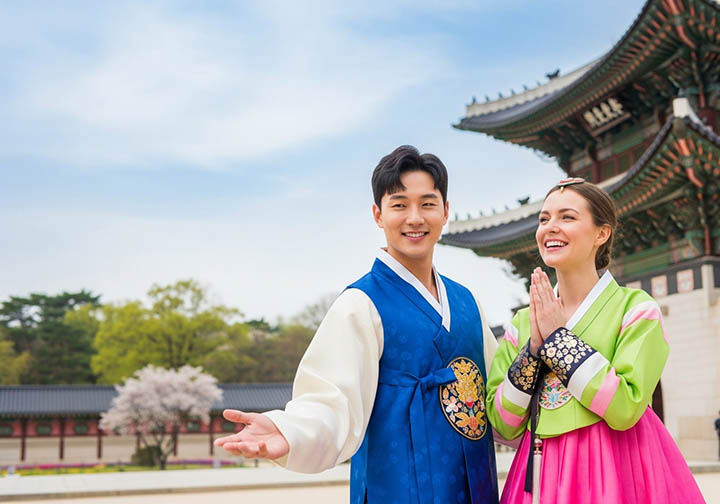
Why More Foreigners Are Choosing to Marry Koreans
International marriage in Korea is no longer unusual. Over the past decade, more foreigners have built serious relationships with Korean partners through study, work, and travel. What starts as a personal connection often turns into a long-term decision to settle in Korea.
But marriage here isn’t just about the relationship. It involves legal processes, cultural expectations, and lifestyle adjustments that many people don’t fully understand until they’re already in it.
The Legal Process: More Paperwork Than You Expect
Getting married in Korea as a foreigner is relatively straightforward in theory, but in practice, it requires preparation. You’ll need documents such as proof of single status, identification, and in some cases notarized or apostilled paperwork from your home country.
After the marriage is registered, the next step is applying for a spouse visa. This process involves financial proof, relationship verification, and sometimes interviews. Immigration officials want to confirm that the marriage is genuine and stable. It’s not designed to be difficult, but it is detailed. Missing documents or inconsistencies can delay the process significantly.
Understanding the Marriage Visa (F-6) Reality
The marriage visa offers one of the most flexible residency options in Korea. Unlike many work visas, it allows you to work in a wider range of jobs without strict sponsorship requirements. This is one of the biggest advantages for foreign spouses.
However, there’s a side people don’t talk about enough. Your visa status is tied to your marriage. If the relationship breaks down, your legal situation can become complicated quickly. Long-term stability requires both a strong relationship and careful planning around residency options.
Korean Family Culture: The Part That Surprises Most People
One of the biggest adjustments isn’t legal, it’s cultural. In Korea, marriage often means becoming part of a family system, not just forming a new household. Expectations around respect, family gatherings, and roles within the family can feel unfamiliar.
For example, major holidays like Chuseok and Seollal are usually spent with the Korean partner’s family. There may also be unspoken expectations about behavior, communication, and participation. Some foreign spouses adapt easily, while others need time to find a balance that works for them.
The important thing is communication. Couples who openly discuss expectations before marriage tend to avoid the biggest conflicts later.
Language: The Unofficial Requirement
There’s no legal requirement to speak Korean to get married, but in reality, it’s one of the most important factors for long-term success. Without it, you may find yourself dependent on your spouse for everyday tasks, from banking to healthcare.
More importantly, language affects your ability to connect with your partner’s family and build your own social network. Even a basic to intermediate level can make a huge difference in how comfortable and independent you feel in daily life.
Work and Financial Expectations After Marriage
Many people assume that marriage will automatically make life financially easier. That’s not always the case. While the visa allows flexibility, finding stable, well-paying work still depends on your skills, experience, and language ability.
Some foreign spouses take time to adjust their career path. Others rely on remote work or start small businesses. What matters most is having a realistic financial plan.
Korea’s cost of living, especially housing deposits, can be significant, and it’s something couples need to prepare for together.
Social Reality: Acceptance Is Growing, But Not Perfect
Korea has become more open to international marriages, especially in urban areas. Multicultural families are more visible, and public attitudes are gradually shifting. But that doesn’t mean every experience is smooth.
Foreign spouses may still encounter moments where they feel different or misunderstood. These experiences are usually subtle rather than extreme, but they can add up over time.
Building a local support network and maintaining confidence in your identity helps navigate these situations.
What No One Tells You About Emotional Adjustment
The emotional side of marrying and moving to Korea is often underestimated. You’re not just entering a new relationship, you’re entering a new culture, language, and way of life at the same time.
There can be periods of loneliness, especially early on. Your usual support system friends, family, familiar environments is no longer close by. This is where many people struggle quietly.
The difference between those who adapt and those who don’t often comes down to effort. Building routines, learning the language, and creating new connections makes a huge impact over time.
Long-Term Reality: It Works If You Build It Right
Marrying a Korean and living in Korea can be incredibly rewarding, but it’s not something that works automatically. It requires effort from both partners, not just in the relationship, but in building a stable life together.
The couples who succeed long-term are the ones who treat it as a shared responsibility. They plan ahead, communicate clearly, and adapt to challenges without losing their individual identity.
Korea offers a safe, modern, and opportunity-rich environment. But like any major life decision, what you get out of it depends on how well you prepare for what’s actually involved.