
How Nepalis Can Work in Korea (EPS Guide)
A Korean Local’s Explanation
If you’ve ever wondered how Nepalese jobseekers find work in Korea, the best starting point is understanding the Employment Permit System (EPS).
This system has become the primary legal pathway for many Nepalis hoping to work abroad, especially in manufacturing, agriculture, and similar industries. From my perspective living here in Korea, it’s a structured process with clear steps but it helps to see the whole picture before you begin.
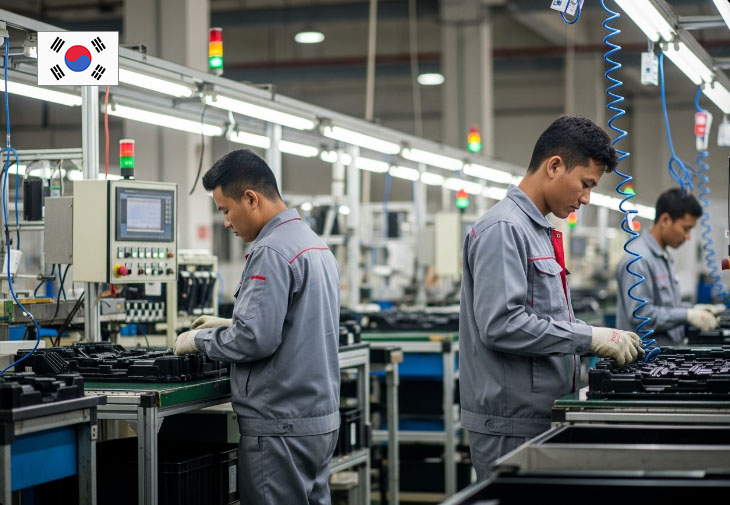
The EPS program started in the early 2000s as a government-to-government agreement between Korea and Nepal (among other countries) to send workers through a transparent recruitment process.
Nepal signed its EPS agreement with Korea back in 2007, allowing Nepalis to go through authorized procedures rather than informal recruitment channels.
Why EPS Matters for Nepalis
For many Nepalis, the EPS isn’t just a job pathway it’s a trusted, structured opportunity. Every year thousands of young Nepalese apply to the EPS because it offers regulated jobs with legal protections, unlike informal labor migration routes.
In recent years, the demand has been massive: more than 100,000 Nepalis applied for only about 5,300 work quotas in 2026, showing how competitive and appealing this opportunity is.
If you succeed in this process, you can go to Korea on an E-9 Non-professional Employment Visa for work in sectors such as manufacturing, agriculture, livestock, shipbuilding, and more.
Step by Step: What You Need to Do
1. Meet the Basic Eligibility Criteria
To begin, you must meet eligibility conditions set by the EPS authorities. These include being a Nepali citizen, typically aged between 18 and 39, having no criminal record, and having no history of illegal stay or deportation from Korea.
2. EPS-TOPIK Korean Language Test
One of the most important early steps is the EPS-TOPIK, Korea’s language test for foreign workers. This basic Korean proficiency test evaluates listening and reading skills that employers need to communicate with workers on the job. Passing this test is mandatory before moving forward to the next phase.
3. Skills and Competency Test
If you pass the language test, you then take a skills and competency test in the sector you want to work in (such as manufacturing or agriculture). Passing both language and skills tests allows your name to be added to the EPS roster a list of eligible workers ready for job placement.
4. Employer Matching
Once on the roster, Korean employers review candidates and choose workers to match their job openings. This is a competitive phase, and not everyone who passes the tests is immediately selected once selected, you’ll be offered a job contract.
5. Visa Application (E-9)
After receiving a job offer from a Korean employer, the next step is to apply for the E-9 employment visa at the Korean Embassy in Nepal. This visa allows you to work legally in Korea under a labor contract with your employer.
What to Expect After You Arrive in Korea
When you arrive in Korea, you’ll typically begin with some orientation and training, often arranged by participating institutions. This training may include workplace safety, Korean labor laws, and workplace culture basics.
Under the E-9 visa, you are allowed to work for the employer who sponsored your application. Changing employers is generally restricted under this system except in specific conditions (such as serious workplace issues).
In 2025 and beyond, new employment insurance requirements mean that workers under the E-9 system will be covered by Korean employment insurance if they are legally employed, providing a level of social protection.
Common Challenges and Realities
It’s important to understand that competition is fierce. As seen in recent application cycles, many more people apply than there are slots available. In 2025, more than 100,000 Nepali applicants vied for roughly 5,300 places.
There have been times when Nepali applicants protest about the roster period or job placement timelines, reflecting how eager many are to secure these opportunities and how limited the quotas can be.
Additionally, Korea is exploring new pathways like the E-7 visa for skilled workers with specialized skills, which may open more opportunities but still requires proper certification and employer sponsorship.
Practical Tips for Nepali Jobseekers
- Prepare Early: Language and skills tests require study and practice prepare months in advance.
- Understand Quotas: Not everyone who passes tests will be selected immediately patience and persistence matter.
- Know Your Rights: Once in Korea, be aware of your rights under Korean labor law and employment insurance requirements.
- Keep Updated: Government policies and quotas can change stay informed through official EPS Nepal channels.