
How Korean Skincare Became Bigger Than Western Beauty Brands
Ten years ago, Korean skincare was still considered a niche interest outside Asia. Most Western consumers barely recognized Korean beauty brands unless they spent time deep inside skincare forums or beauty YouTube communities.
Luxury French cosmetics dominated prestige beauty. American brands controlled most global marketing campaigns. Korean skincare was viewed as trendy, experimental, and temporary.
But something changed. Now in 2026, K-beauty is no longer a “trend.” It’s one of the most influential forces in the global beauty industry itself. Major Western retailers are expanding Korean skincare sections aggressively.
TikTok beauty culture revolves around Korean skincare concepts. Even traditional luxury beauty companies are quietly adjusting their formulas, packaging, and marketing around trends Korea popularized years ago. And honestly, once you experience Korean skincare culture firsthand, it becomes very obvious why this happened.
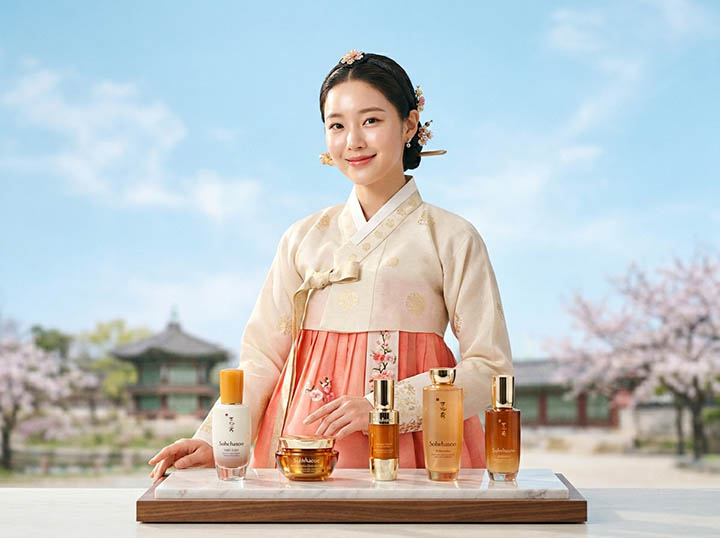
Korean Skincare Changed the Entire Philosophy of Beauty
One of the biggest reasons K-beauty exploded globally is because it approached skincare differently from Western beauty brands. For decades, much of Western beauty marketing focused on correction. Hide imperfections. Cover flaws. Fight aging aggressively. Create transformation through makeup.
Korean skincare focused on prevention and maintenance instead. Healthy skin became the goal itself. Hydration, calming ingredients, skin barrier protection, gentle exfoliation, and long-term consistency were already central ideas in Korean skincare years before those concepts became mainstream internationally.
Today terms like “skin barrier,” “glass skin,” and “hydration layering” are everywhere globally. But Korea normalized those concepts first. That fundamentally changed how younger consumers think about beauty.
K-Beauty Made Good Skincare Affordable
This part changed the industry permanently. Western beauty companies spent years convincing consumers that effective skincare had to be expensive. Luxury branding became deeply tied to price itself.
Then consumers discovered Korean skincare. Suddenly people realized they could buy advanced formulations with ingredients like niacinamide, centella asiatica, peptides, ceramides, snail mucin, and hyaluronic acid at dramatically lower prices than many luxury Western products.
That disrupted the market psychologically. Consumers started reading ingredient lists instead of trusting prestige branding automatically.
A $20 Korean serum often delivered results comparable to products costing four or five times more. Once that realization spread globally through social media, consumer loyalty toward traditional Western beauty brands started weakening fast.
Social Media Helped Korea Dominate Beauty Culture
Timing mattered perfectly. K-beauty expanded globally during the exact moment beauty culture became dominated by TikTok, Instagram, Reddit, and YouTube. And visually, Korean skincare was built for the internet.
Glass skin routines. Sheet masks. Dewy makeup. Cushion foundations. Hydrogel masks. Layered skincare shelves. Minimal glowing makeup looks. These products naturally created viral beauty content.
At the same time, K-pop idols and K-drama actors unintentionally became global skincare ambassadors. People didn’t just want Korean products. They wanted Korean-looking skin. That emotional aspiration became one of K-beauty’s strongest marketing forces worldwide.
Korean Sunscreen Completely Changed Global Expectations
Ask almost any longtime K-beauty user what converted them permanently, and many will say sunscreen. For years, Western sunscreens had a reputation for being thick, greasy, heavy, or leaving white residue. Korean beauty companies treated sunscreen differently. In Korea, sunscreen isn’t considered occasional beach protection. It’s daily skincare.
That mindset created formulas that were lightweight, elegant, breathable, and comfortable enough to wear every day. Foreign consumers were shocked by how wearable Korean sunscreens felt compared to many products available locally. And once people experienced that difference, many never switched back. That single category alone dramatically increased trust in Korean skincare globally.
Innovation Happens Faster in Korea
Korean beauty companies move incredibly fast. Much faster than many traditional Western beauty corporations. New textures, ingredients, packaging ideas, and skincare technologies appear in Korea constantly. Trends that take years to reach Western markets often appear in Seoul first.
Right now, ingredients like PDRN, exosomes, advanced peptides, fermented extracts, and skin-repair ampoules are expanding globally through Korean brands before becoming mainstream elsewhere.
Korean beauty operates more like the tech industry than the traditional cosmetics industry. Fast product cycles. Rapid innovation. Trend responsiveness. Consumer feedback adaptation. That speed keeps K-beauty culturally exciting.
K-Beauty Feels More Authentic to Younger Consumers
Another major reason younger consumers trust Korean skincare more is because it feels less corporate. Western beauty advertising often feels highly polished and aspirational. K-beauty feels community-driven.
Consumers discover products through real reviews, skincare communities, TikTok creators, Reddit discussions, and word-of-mouth recommendations instead of traditional celebrity campaigns. Smaller Korean brands can suddenly become globally famous almost overnight because consumers genuinely like the products.
That grassroots growth feels more believable to younger audiences who are increasingly skeptical of traditional advertising.
Western Beauty Brands Quietly Started Copying Korea
This is probably the clearest sign that Korean skincare became bigger culturally than many Western beauty brands. Western companies now regularly adopt concepts Korea popularized years earlier. Skin barrier repair. Dewy makeup. Lightweight textures. Multi-step hydration. Skincare-infused cosmetics. Cushion-style packaging. Gentle active ingredients.
These trends all became globally dominant after Korea pushed them into mainstream beauty culture. Even luxury Western brands are increasingly reformulating products around skincare-focused concepts because consumer expectations changed. The industry adapted to Korean beauty influence rather than the other way around.
K-Beauty Created a Different Beauty Ideal
Korean skincare didn’t just sell products. It changed the beauty standard itself. For years, global beauty marketing emphasized dramatic transformation, heavy makeup coverage, and anti-aging anxiety.
K-beauty shifted focus toward healthier-looking skin, subtle glow, hydration, and natural texture. Younger consumers especially connected with this approach because it felt more achievable and less aggressive psychologically.
Healthy skin became more important than perfect makeup. That cultural shift became enormous globally.
Global Retailers Are Betting Heavily on Korean Beauty Now
This is no longer niche internet culture. Major retailers around the world are aggressively investing in K-beauty because demand keeps growing. Amazon, Sephora, Ulta Beauty, Boots, Olive Young Global, and major European beauty retailers continue expanding Korean skincare sections rapidly.
Meanwhile, K-beauty exports continue breaking records internationally. Korean cosmetics became one of Korea’s strongest consumer export categories globally. At this point, Korean skincare is no longer trying to compete internationally. It already became part of the global beauty mainstream.
Consumers Trust Korean Skincare More Than Before
Modern consumers are far more informed than previous generations. People now research ingredients, compare formulas, watch dermatologist reviews, and read Reddit discussions before buying products.
K-beauty adapted perfectly to that shift. Consumers increasingly associate Korean skincare with innovation, ingredient transparency, visible results, and strong value for money. That reputation became one of Korea’s biggest advantages internationally.
Why K-Beauty Keeps Growing Instead of Slowing Down
A lot of beauty trends fade after a few years. K-beauty didn’t. Because K-beauty wasn’t built around a single product trend. It changed consumer expectations themselves.
People now expect skincare to be:
- Effective
- Affordable
- Comfortable
- Ingredient-focused
- Visually appealing
- Social-media friendly
- Easy to layer into daily routines
Korean beauty brands built their entire industry around those expectations before much of the world realized consumers wanted them. That’s why K-beauty still keeps growing instead of disappearing.
Final Thought
Korean skincare became bigger than many Western beauty brands because it offered something modern consumers were already searching for without fully realizing it. Better textures. Better pricing. Faster innovation. More practical skincare philosophy. More emotionally approachable beauty culture.
But most importantly, K-beauty made skincare feel personal instead of intimidating. And once global consumers experienced that difference for themselves, the beauty industry stopped asking whether Korean skincare was a trend. It started asking how to keep up with it instead.