
Holiday and Family Ritual Survival Guide for Foreign Spouses
A Korean Local’s Insight
Marrying someone from another culture is an adventure in love, but it also means you’ll be part of celebrations, holidays, and rituals that may feel very different from what you’ve known.
As a Korean local who has lived through countless family gatherings, festive holidays, and ritual events both ordinary and awkward I can tell you this clearly: Korean family traditions are rich, meaningful, and rooted in history and they matter intensely to older generations.
This guide will walk you through the most common holidays, family rituals, expectations, and practical tips so you can participate with respect, confidence, and yes even a smile.
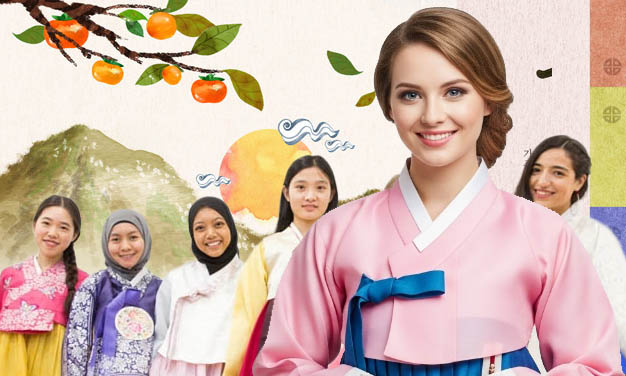
Why Korean Holidays and Rituals Matter
In Korea, celebrations are not just fun dates on a calendar they are deeply tied to family identity, ancestral respect, and social connection. Holidays like Seollal (Lunar New Year) and Chuseok (Mid-Autumn Harvest Festival) are family-centric, multi-day events. Rituals like Jesa (ancestral memorial service) have spiritual meaning and involve specific etiquette.
For many Koreans, how you engage with these can say a lot about your intentions and respect for tradition. Understanding a few key practices will help you avoid misunderstanding and feel truly included.
Seollal (Lunar New Year): Bow, Eat, Talk
Seollal is one of Korea’s most important holidays. It usually lasts three days and centers on family.
Core Ritual: Sebae
Sebae is the formal New Year’s bow you perform for elders (grandparents, parents, uncles/aunts). It’s a deep bow from the knees with hands together something that feels awkward at first, but is the foundation of respect in Korean families.
Once you do seb ae, elders often give you:
- Words of blessing
- New Year’s money (“sae bae don”)
- A warm smile
- Eat Together
Families eat tteokguk (rice cake soup) because eating it symbolizes growing a year older. Eating together is a conversation not a race so pace yourself.
Small Survival Tip: Don’t stress perfection in the bow. The effort and genuine smile count more than perfect form.
Chuseok (Mid-Autumn Festival): Feast and Remembrance
Chuseok is another major holiday focused on harvest, family, and giving thanks.
Food Rituals
The center of Chuseok is the family table, often laden with:
- Songpyeon (rice cakes)
- Galbi (marinated beef ribs)
- Seasonal vegetables
- Fruit and traditional sweets
Family members often prepare food together a communal bonding experience.
Visit Hometown
Many Koreans travel back to their hometowns for Chuseok. It’s a time to reconnect with extended family. If you are invited, understand that:
- Promptness matters
- Dressing modestly is respectful
- Helping in the kitchen is appreciated
Small Survival Tip
Ask your partner for the family’s “Chuseok script” who you greet first and the order of everyone so you don’t feel lost in a room full of aunties and uncles.
Jesa (Ancestral Rites): A Quiet, Formal Ritual
Jesa is a memorial ritual held to honor deceased ancestors. It usually takes place on:
- Death anniversaries
- Seollal or Chuseok mornings
A detailed table of food is prepared with exact placements, and family members bow in sequence.
What Foreign Spouses Need to Know
Participation is less about perfect ritual mastery and more about respect, calm presence, and following cues from your partner or other family members.
You might be asked to:
- Light incense
- Bow
- Place food gently
If you’re unsure, quietly follow your partner’s movement.
Small Survival Tip: Study ahead with your partner knowing what comes next prevents hesitation during the moment.
Birthdays and Dol (First Birthday)
Korean Birthday Traditions
Korean birthdays often involve:
- A family meal
- Cake or traditional rice foods
- “Seaweed soup” (miyeokguk), especially on adult birthdays
Dol First Birthday Feast
The first birthday of a child is a big event, often including:
- Doljanchi celebration
- A ritual table
- Doljabi a moment where the baby picks an object symbolizing potential future skills or career
If you are a foreign spouse, your presence and participation are meaningful. Questions like “What will the baby choose?” are plenty but they come with warmth, not judgment.
Wedding Anniversaries and Family Gatherings
In most Korean families, anniversaries or informal family gatherings are warm and relaxed. But they may also:
- Start earlier than expected
- Include speeches or small toasts
- Have multi-course dinners with set etiquette
Small Survival Tip
If someone offers a toast, a simple nod or a soft “감사합니다 (thank you)” is enough. You don’t need to deliver a speech unless invited.
Cultural Etiquette That Makes a Big Difference
Here are some small gestures with big cultural appreciation:
- Remove shoes when entering traditional homes
- Address elders politely with respectful language
- Serve elders first at meals
- Use both hands when offering or receiving gifts
- Be modest in clothing and conversation at formal rituals
These aren’t strict rules they’re bridges of understanding.
What Not to Worry About
- Language slippages: people will admire your effort even if Korean isn’t perfect
- Clumsy ritual feet: sincerity matters more than perfection
- Feeling out of place: families often include newcomers warmly when respect is shown
Final Thoughts: Being Part of the Family, Not Just an Event Guest
Holiday seasons and family rituals in Korea can feel intense at first long schedules, formal bows, repetitive speeches, big meals, and high expectations. But they also create deep belonging. Korean families are often exuberant once the initial formalities settle.
Your presence is a bridge between worlds. Your effort even imperfect means a lot. A heartfelt bow, polite attention, and a genuine smile will go further than flawless ritual execution.
This guide isn’t about surviving the holidays. It’s about participating with warmth and respect, and in doing so, becoming part of the family stories that you’ll share for years.
Welcome to life not just with your partner, but with their people and that’s where the real journey begins.