
Spain vs Korea Cost of Living
When people think about living in Korea versus living in Spain, they often have one big question in mind: “Is it cheaper to live here or there?” The answer isn’t just one number you can throw on a page it’s a mix of everyday expenses, lifestyle choices, city versus countryside decisions, and personal tastes.
But as someone who lives in Korea and reads plenty of conversations from internationals, I can walk you through what these differences really look like not just statistics, but how daily life feels on a budget here versus in Spain.
Let’s break this down into parts that matter most: housing, food, transportation, entertainment, and overall lifestyle costs.
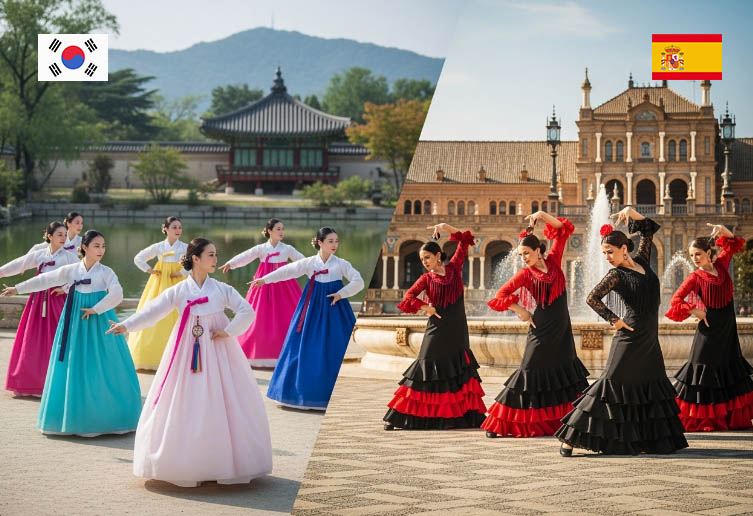
Overall Cost of Living: Spain vs Korea
On average, Spain’s cost of living tends to be higher than Korea’s when you add rent into the mix, especially in major cities. According to international cost-of-living trackers, Spain is often between 6 % to 20 % more expensive than Korea overall when you factor in rent and basic expenses.
However, if you look only at non-rent expenses, the picture changes a bit Spain can be slightly cheaper or very similar to Korea overall, depending on what items you include.
In simple terms:
- Korea feels cheaper for rent and eating out,
- Spain can feel more expensive for groceries and some services,
- Your personal habits will tilt the scale either way.
Housing and Rent: A Big Piece of the Puzzle
One of the most noticeable differences is in housing costs. In large Spanish cities like Madrid or Barcelona, monthly rent for a small apartment can be much higher than in Korean cities like Seoul or Incheon sometimes nearly double.
In Korea, many people especially students and young professionals live in smaller but affordable studio rooms or shared apartments. Housing near universities or subway lines can still be pricey, but overall, monthly rent in Korea is typically lower compared to Spain’s major centers.
This makes rent one of the biggest factors where Korea often feels cheaper especially for single people or newcomers who want to live relatively centrally.
Food and Dining: Daily Meals and Groceries
When it comes to eating out, Korea often feels much cheaper. A local lunch at a budget restaurant in Korea is frequently about half the price of a similar meal in Spain. For example, inexpensive lunch menus in Korea are often around half the cost of meals in Spain.
However, groceries tell a slightly different story. Some everyday items especially imported goods or certain staples can actually be more expensive in Korea than in Spain. This might feel surprising because restaurant prices are lower, but supermarket shopping in Korea can add up, especially if you buy imported products.
To sum up the food side:
- Eating out in Korea tends to be much cheaper.
- Grocery shopping can be roughly similar or slightly higher in Korea for some items.
Transport: Getting Around Everyday
Public transportation in Korea is known for being efficient, modern, and relatively affordable. A subway or bus ride in Seoul usually costs around a couple of dollars, and monthly transport costs tend to be lower than equivalent expenses in many Spanish cities.
In Spain, transport costs can vary by city but generally, you might pay a bit more for daily commuting than you would in Korea’s well-integrated metro and bus systems. So if you rely on public transport daily, Korea often feels more budget-friendly in this area.
Utilities and Daily Services
When you start layering in utilities, internet, and mobile plans, the difference isn’t always dramatic. Broadband or phone plans in Korea can sometimes be cheaper especially when bundled with student or expat packages, and utilities can be manageable depending on your habits.
Spain’s utilities can also be affordable, but electricity or winter heating bills might run higher than what you’d typically pay in Korea.
Entertainment, Coffee, and Nightlife
This is where personal preference plays a big role. Coffee culture in Korea has grown significantly and so have prices for premium coffee drinks. A cappuccino in Seoul might cost more than in Spain, where coffee culture has a long, established tradition and pricing can be gentler.
Nightlife, cultural events, and activities like cinema, concerts, and museums vary a lot by city and season but in many cases, Spain’s entertainment scene can be either comparable to or slightly more expensive than Korea’s depending on what you choose.
Salary and Everyday Purchasing Power
One interesting piece that sometimes gets overlooked is salary and local purchasing power. In some comparisons, after-tax wages in Korea are considered slightly higher than those in Spain, which can make everyday living a bit more manageable for working expats.
Of course, how much you actually keep depends on your job, tax status, and lifestyle a student with a part-time job will experience things very differently from a full-time professional.
Living Like a Local: Real Life Examples
- Eating lunch regularly in Korea might cost less than eating lunch in Spain that’s a consistent finding across cost trackers.
- Rent for a modest room in Korea feels significantly lower than big Spanish cities.
- Transport tends to be cheaper in Korea because of integrated networks and student discounts.
- Coffee or imported groceries could feel pricier in Korea than in Spain.
Final Thought: What This Means for You
Cost of living comparisons are always a mix of numbers and lifestyle choices. If you’re planning to study, work, or live in Korea instead of Spain, these differences could significantly affect your monthly budget:
- Korea can be friendlier on rent, eating out, and transport.
- Spain might feel more relaxed on groceries and local food culture.
- Your personal habits like dining, entertainment, and where you choose to live will shape what feels affordable.
Ultimately, neither country is a “one-size-fits-all” cheaper option. If you’re excited about Korea’s culture, food, and opportunities, understanding these cost differences helps you plan your life here in a way that feels comfortable and real rather than just theoretical.