How to Join University Clubs in Korea
A Local Korean’s Guide for International Students
If you’re planning to study in Korea, one of the best ways to make friends, learn Korean culture, and enjoy campus life is by joining a club or student organization.
Korean universities are famous for their active student communities from debate clubs and cultural groups to sports teams and music circles. But if you’re coming from abroad, especially from an English-speaking country, you might wonder how the system works and how to become a part of it. Let’s walk through it together from a Korean local’s perspective.
What “University Clubs” Really Mean in Korea
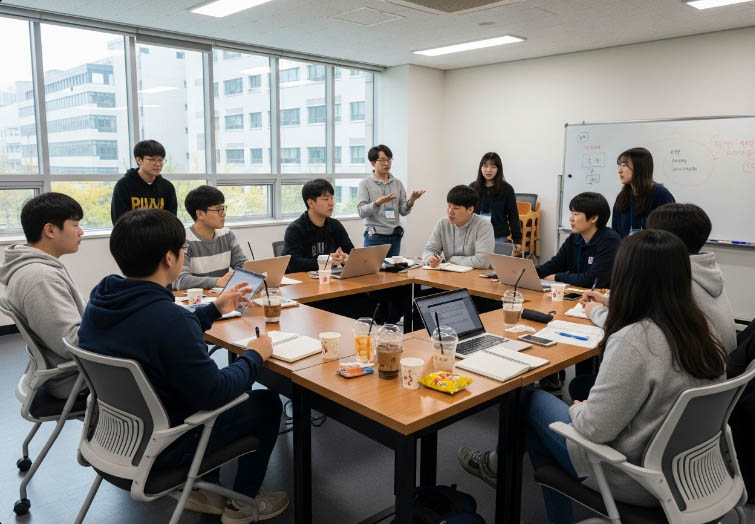
In Korea, clubs are usually called dongari (동아리). These are student-led groups organized around interests everything from photography and dance to investment and social service. They are a huge part of campus life here.
Unlike in some Western universities where clubs are optional and loosely attended, many Korean students treat their dongari as second family. It’s where they spend evenings practicing, preparing for performances, or simply hanging out after classes.
Joining a club isn’t just a social decision it’s a cultural experience. Dongari often build deep bonds, and many alumni keep in touch with their club friends years after graduation.
When and How Clubs Recruit Members
Most dongari hire new members once a year usually at the start of the spring semester (March) and sometimes again in the fall (September).
Universities will often host a Club Fair during orientation week, where every group sets up a booth to introduce themselves. This is your first and best chance to meet members face-to-face, ask questions, and sign up.
Here’s how the typical process works:
- Club Fair Introduction: Each club sets up at a designated area on campus. They bring photos from past events, flyers, and often demonstrations or performances.
- Information Session: Interested students gather at short sessions where leaders explain what the club does, meeting schedules, and expectations.
- Application or Simple Sign-Up: Many clubs just ask you to fill out a form or give your contact information. Some more competitive groups, like music ensembles or debate teams, may require an informal audition or interview.
One thing to remember even if a club doesn’t have English-speaking members at first, if you show genuine interest and a friendly attitude, Korean students often go out of their way to include you. Most are eager to practice language skills and share their culture.
Tips for International Students Joining Clubs
1. Attend the Club Fair with a Positive Attitude
This is your first impression. Smile, introduce yourself, and don’t be shy to say you’re an international student interested in learning Korean culture. Koreans appreciate honesty and enthusiasm.
2. Don’t Worry if You Can’t Speak Korean Perfectly
While some clubs use mostly Korean, many groups adapt their meetings to include international members especially cultural clubs, language exchange clubs, and global student networks. Even in Korean-speaking clubs, a willingness to learn goes a long way.
3. Ask About Time Commitment Before Joining
Certain clubs are casual and meet once or twice a month. Others, especially performance groups like music or dance, can have weekly practices and even weekend rehearsals. Decide how much time you can commit without overwhelming your studies.
4. Use Campus Resources to Find Clubs
Many universities have online portals, bulletin boards, or student support centers where club lists and contact emails are posted. If you’re unsure where to start, ask your international student office they usually have English guides or advisers.
Club Culture: What to Expect Once You’re In
Once you become a member, you’ll find club culture in Korea is warm and community-oriented. Expect:
- Regular Meetings: Most clubs meet weekly. Some include outdoor activities, trips, or community service.
- Events and Festivals: Clubs often perform at cultural festivals or talent shows. Being part of these events is a highlight for many students.
- Shared Meals and Social Time: After practice or meetings, it’s normal for members to grab dinner together. This is how friendships deepen.
- Senior-Junior Culture: Korean clubs often have a sunbae-hoobae (senior-junior) system. This isn’t strict, but it’s part of how members mentor each other.
For many students, dongari becomes a place of belonging a pocket of campus life where they feel at home beyond their major classes.
Finding the Right Club for You
Korean universities have an enormous variety of clubs, including:
- Language exchange and global student clubs
- Sports and martial arts
- Music, dance, and performing arts
- Social service groups
- Academic and debate societies
- Photography, film, and creative arts
- Cooking, culture, and travel clubs
If English is your strongest language at first, start with clubs where language barriers are lower. A language exchange club can help you practice Korean while sharing your own language. From there, as your confidence grows, you might explore more Korean-centric groups.
Why Clubs Are Valuable for International Students
Joining a dongari isn’t just about spending free time it’s about:
- Improving language skills naturally
- Making deep friendships with Korean and international students
- Experiencing real Korean student culture
- Building a social network that helps with internships and job searches
Korean students are often shy at first with new faces, but once they get to know you through a shared interest, the friendship becomes real and lasting.
Final Thoughts
If you want to make the most of your time in Korea, joining a university club is one of the best ways to do it. Be open, curious, and respectful of Korean norms and you’ll find that student life here offers friendships and memories that last long after graduation. The campus world in Korea is more than academics it’s where you live life, not just learn it.