
How to Study in Korea: The Complete Guide
South Korea has become one of the fastest growing study abroad destinations in the world. What was once considered a niche option for Asian studies students has now turned into a global education trend attracting people from every continent.
Some students come because of K dramas and K pop. Others are interested in Korean technology, business opportunities, engineering programs, Korean language learning, or affordable education compared to Western countries.
But after the excitement of Korean culture fades slightly, most students eventually ask the same question. What is it actually like to study in Korea in real life?
The answer depends heavily on preparation.
Studying in Korea can become one of the most rewarding experiences of someone’s life, but it can also feel overwhelming for students who arrive with unrealistic expectations or limited planning.
The students who adapt successfully are usually not the smartest or wealthiest. They are often the students who researched carefully before arriving.
This guide explains what international students realistically need to know before studying in Korea.
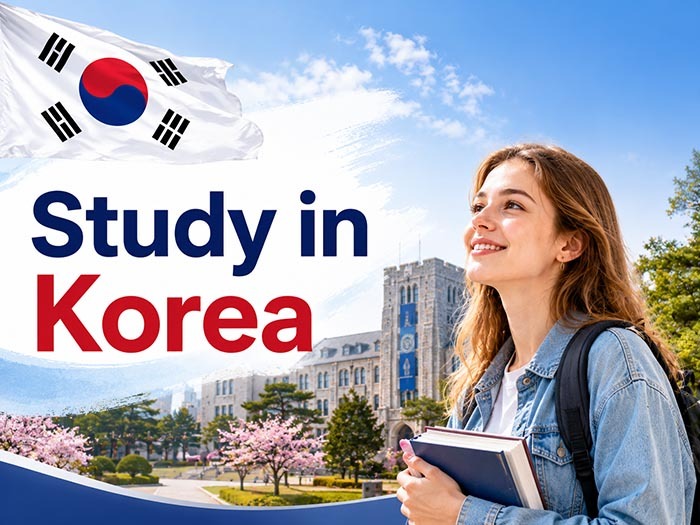
Why International Students Are Choosing Korea
South Korea offers something many students find attractive today. It combines modern infrastructure, relatively affordable education, strong public transportation, advanced technology, and growing international recognition.
Korean universities are also becoming more globally competitive. Schools like Seoul National University, Yonsei University, Korea University, KAIST, POSTECH, and Sungkyunkwan University continue attracting international attention.
At the same time, Korea often feels safer than many large Western cities, especially for students living alone for the first time.
Another major reason students choose Korea is opportunity. Many believe Korean language ability and Korean university experience may create career advantages later in fields like international business, technology, tourism, entertainment, education, or global marketing.
For many students, Korea feels modern, exciting, and globally connected while still offering a unique cultural experience.
Understanding the Different Study Options
International students in Korea usually fall into three main categories.
The first group studies Korean language through university language institutes. These programs are popular among students who want to improve Korean before entering degree programs or simply experience life in Korea short term.
The second group studies undergraduate degrees at Korean universities.
The third group studies graduate programs such as master’s or PhD degrees.
Some universities also offer exchange programs for students from partner institutions overseas.
Each pathway has different visa requirements, tuition structures, and language expectations. Students should understand clearly which path fits their long term goals before applying.
Many students make the mistake of applying impulsively without understanding how different Korean education systems operate.
Do You Need Korean Language Skills?
Technically, not always. Some Korean universities now offer degree programs taught partially or fully in English, especially at graduate level. However, daily life in Korea becomes significantly easier with Korean language ability.
Students who cannot speak Korean often struggle with housing contracts, hospital visits, banking, immigration paperwork, part time jobs, and social relationships.
Even basic Korean dramatically improves quality of life.
Many students underestimate how emotionally exhausting it feels to live long term in a country where they cannot understand everyday conversations around them.
Students who begin learning Korean before arrival usually adapt much faster socially and practically. Korean language ability remains one of the biggest advantages international students can develop before moving to Korea.
Choosing the Right City Matters More Than Many People Think
Most international students immediately focus on Seoul because it is Korea’s most famous city. Seoul offers exciting nightlife, transportation, shopping, international communities, and major universities. But it is also Korea’s most expensive city.
Housing costs alone shock many international students after arrival. Students with limited budgets should seriously consider cities outside Seoul such as Busan, Daejeon, Daegu, Gwangju, Jeonju, or Cheongju.
Regional cities often provide lower rent, cheaper restaurants, less financial pressure, and quieter study environments.
Some regional universities also provide better scholarship opportunities for international students because they actively want to increase foreign enrollment.
Prestige matters less if financial stress destroys the overall study abroad experience.
The Real Cost of Studying in Korea
Many students see online videos claiming Korea is “cheap.” The reality is more complicated.
Tuition costs vary heavily depending on university and program. Private universities are generally more expensive than public universities.
Housing becomes the largest monthly expense for most students.
Dormitories are usually cheaper than renting private apartments, but dorm space can be limited. Many students eventually move into goshiwons, shared housing, or studio apartments.
Food can be affordable if students eat at university cafeterias or local restaurants regularly. But cafe culture, delivery food, nightlife, and shopping can increase expenses quickly.
Transportation in Korea is relatively affordable and extremely efficient, which helps reduce living costs compared to some countries.
Students should also prepare emergency savings because unexpected expenses always happen during long term study abroad life.
Student Visas and Immigration Rules
Most degree seeking students enter Korea using D 2 student visas, while Korean language students often use D 4 visas.
Visa requirements vary depending on nationality, university, and program type, but most students need proof of admission, financial documents, passport materials, and health related paperwork.
One mistake students make is assuming immigration rules remain constant forever.
Korean immigration policies sometimes change, especially regarding work permissions, attendance requirements, financial verification, and visa renewal procedures.
Students should always check updated university instructions and official immigration announcements rather than relying entirely on outdated online advice.
Organization becomes extremely important when handling Korean immigration paperwork.
Part Time Jobs for International Students
Many international students hope to support themselves through part time work. This is possible, but students should understand the limitations realistically.
Student visa holders usually face restrictions regarding working hours and job permissions. Korean language ability also strongly affects available opportunities.
Students fluent in Korean generally have far more options than students who only speak English. Cafe jobs, restaurants, tutoring, translation work, convenience stores, and factory jobs are common among international students.
However, balancing study and work becomes mentally exhausting for many people. Students relying entirely on immediate employment after arrival often experience much more stress than expected.
Arriving with financial stability creates a much smoother adjustment process.
Korean University Life Feels Different
Foreign students often experience culture shock inside Korean classrooms. Attendance policies may feel stricter than expected. Group projects are common, and academic pressure can become intense during exam periods.
Relationships between professors and students sometimes feel more formal compared to Western universities. Korean students themselves study extremely hard, especially at competitive universities.
At first, some international students feel isolated socially because Korean friend groups often develop gradually rather than immediately.
But students who participate actively in campus activities, language exchanges, clubs, and university events usually adapt much better socially over time. Patience matters heavily when building relationships in Korea.
Mental Health and Loneliness Are Often Ignored
Social media often shows only exciting parts of Korean student life. The reality includes homesickness, visa stress, academic pressure, financial anxiety, and occasional loneliness.
Some students struggle emotionally during their first several months because everything feels unfamiliar at once. Weather, language barriers, food differences, academic expectations, and cultural misunderstandings can all affect mental health.
Building routines becomes extremely important. Students who exercise regularly, maintain healthy sleep schedules, improve Korean gradually, and stay socially active usually adapt much more successfully.
The adjustment process takes time for almost everyone.
Why Many Students Still Say Korea Was Worth It
Despite challenges, many international students eventually describe Korea as one of the most meaningful experiences of their lives.
Living independently in another country changes people. Students often gain confidence, adaptability, language ability, international friendships, and stronger self discipline.
Some eventually continue into Korean companies, graduate schools, or long term careers connected to Korea. Others simply value the personal growth gained through surviving difficult situations independently.
Studying in Korea is not always easy, but for many students, that difficulty becomes part of what makes the experience valuable.
The students who succeed most are usually not the ones chasing fantasy versions of Korea.
They are the students willing to understand Korea realistically while still remaining open minded about the experience.