Korean Healthcare for Foreign Residents
Moving to another country comes with plenty of excitement, but it also raises practical questions that many people overlook until they actually need help. One of the biggest concerns for foreigners living in South Korea is healthcare. What happens if you get sick? How much does it cost? Can you see a doctor without speaking Korean? Is the healthcare system really as good as people say?
After helping many international students, workers, and multicultural families settle in Korea, I have seen these questions come up countless times. Fortunately, Korea has built one of the most efficient healthcare systems in the world, and most foreign residents are pleasantly surprised by how simple the process becomes once they understand how it works.
If you are planning to live in Korea for several months or many years, understanding the healthcare system before you arrive will make everyday life much less stressful.
The First Thing to Know About Healthcare in Korea
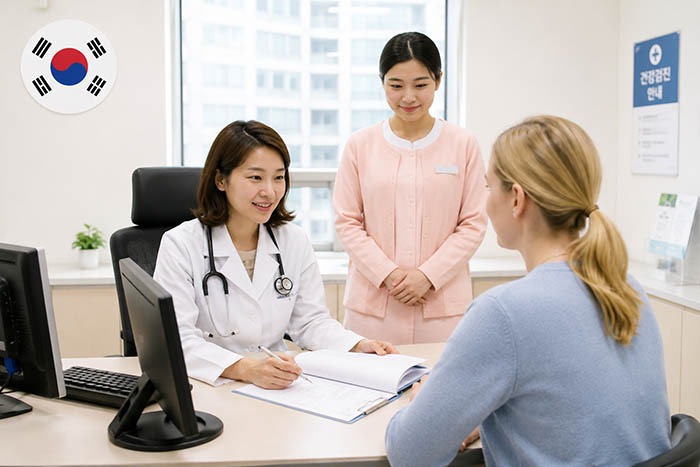
Many foreigners expect visiting a doctor in Korea to be complicated because of the language barrier.
In reality, the experience is often much smoother than expected. Hospitals and clinics are found throughout every city, appointments are generally easy to arrange, and waiting times are often much shorter than those in many Western countries.
Even smaller neighbourhood clinics provide professional medical care for common illnesses, making it easy to receive treatment close to home.
Understanding National Health Insurance
One of Korea’s greatest strengths is its National Health Insurance system.
Most long term foreign residents who meet the legal requirements become eligible to join the system. Employees are usually enrolled through their workplace, while others may register individually depending on their residency status.
Once you are covered, many routine medical services become significantly more affordable. This is one of the reasons why many foreigners describe healthcare in Korea as both accessible and financially manageable.
Finding the Right Clinic
Unlike some countries where people immediately visit large hospitals, many Koreans first go to local clinics.
These neighbourhood clinics handle common illnesses such as colds, allergies, stomach problems, skin conditions, and minor injuries. Doctors are experienced, appointments move quickly, and many patients are seen on the same day.
If your condition requires specialised treatment, the clinic will refer you to a larger hospital with the appropriate department.
Hospitals Are Modern and Well Equipped
Large hospitals in Korea are among the most advanced in Asia.
Many offer specialised departments covering cardiology, orthopaedics, oncology, neurology, ophthalmology, dermatology, dentistry, and many other medical fields.
Foreign patients are often impressed by the advanced medical equipment, clean facilities, and efficient organisation. Even large hospitals usually operate with remarkable speed compared with what many visitors expect.
Can You See a Doctor Without Speaking Korean
This is one of the questions I hear most often.
The answer is yes, although your experience may vary depending on where you live.
Major hospitals in Seoul, Busan, and other large cities often have international clinics or staff members who can communicate in English. Some hospitals also provide interpretation services for international patients.
In smaller neighbourhood clinics, English may be more limited, but translation apps and simple communication are often enough for routine medical visits.
Prescription Medicine Is Easy to Obtain
After seeing a doctor, you usually receive a prescription that can be filled at a nearby pharmacy.
Pharmacies are everywhere in Korea, and most are located within a short walk of medical clinics. Pharmacists carefully explain how to take your medication, and many prescriptions cost much less than foreign residents initially expect.
For common illnesses, the entire process from seeing a doctor to receiving medication can often be completed within an hour.
Emergency Medical Care
Although nobody hopes to experience an emergency, it is reassuring to know that Korea has an excellent emergency medical system.
Emergency departments operate twenty four hours a day, and ambulances are available throughout the country. Large hospitals are well prepared to handle serious medical situations, and emergency care is provided regardless of nationality.
If you have a chronic medical condition, it is wise to keep important medical records and emergency contact information with you at all times.
Dental and Eye Care
Many foreigners are pleasantly surprised by the quality of dental care in Korea.
Routine cleanings, fillings, orthodontics, and cosmetic dental procedures are widely available. Eye clinics are also highly regarded, particularly for vision correction procedures and regular eye examinations.
Whether you need a simple check up or specialised treatment, you will usually have many excellent options to choose from.
Mental Health Support Is Growing
Mental health services have become increasingly accessible in recent years.
Psychologists, psychiatrists, counselling centres, and university support services are available throughout the country. Many international students and foreign workers also have access to counselling programmes offered by universities, employers, or local community organisations.
Seeking mental health support is becoming more common, and the range of available services continues to expand.
Health Checkups Are Part of Everyday Life
One aspect of Korean healthcare that surprises many foreigners is the importance placed on preventive care.
Regular health examinations are common, and many employers encourage or arrange routine medical checkups for their staff. These screenings help identify health concerns before they become serious problems.
Many long term residents begin adopting the same habit after seeing how convenient and affordable preventive healthcare can be.
Healthcare Costs Compared With Other Countries
Healthcare expenses naturally depend on your treatment and insurance coverage.
However, many foreign residents from countries such as the United States, Canada, and the United Kingdom are pleasantly surprised by the affordability of routine consultations, diagnostic tests, and prescription medications after joining the National Health Insurance system.
This combination of quality care and reasonable costs is one of the strongest reasons many expatriates feel comfortable living in Korea for the long term.
Daily Life Feels More Secure
Good healthcare does more than treat illness.
It gives people confidence to enjoy daily life without constantly worrying about unexpected medical expenses or long waiting times. Parents feel reassured when raising children, students feel supported while studying abroad, and professionals can focus on their careers knowing reliable healthcare is always nearby.
That sense of security becomes an important part of everyday life in Korea.
Is Korean Healthcare Good for Foreign Residents
From my experience helping foreigners adjust to life here, the answer is overwhelmingly yes.
No healthcare system is perfect, and there will always be occasional language challenges or administrative procedures to learn. However, Korea consistently provides high quality medical care, modern hospitals, efficient appointments, affordable treatment through National Health Insurance, and convenient access to healthcare services.
For many people, healthcare is not something they think about every day. Yet after living in Korea, it often becomes one of the reasons they feel comfortable calling the country home. Knowing that professional medical care is available when you need it brings peace of mind that is difficult to put a price on.