
Why K-Dramas Are Popular in Sri Lanka
In recent years, Korean dramas or K-dramas as they’re affectionately called have gone from being a niche passion to a mainstream cultural phenomenon in Sri Lanka. Whether you’re scrolling through Facebook, watching YouTube clips, or chatting with friends, the enthusiasm for stories like Crash Landing on You, Reply 1988, and Kingdom is unmistakable.
But what exactly makes K-dramas so beloved in Sri Lanka? From storytelling nuances to emotional resonance and cultural connections, let’s unpack this from the perspective of someone who lives in Korea and watches how our entertainment travels around the world.
A Storytelling Style That Feels Human
One of the first things viewers notice about Korean dramas is how emphasis is placed on character and emotion. Unlike many Western shows that can feel fast-paced or plot-driven, K-dramas often take time to let characters breathe, grow, and feel.
This gives viewers the space to connect emotionally with stories something that resonates strongly in Sri Lanka, where storytelling traditions are also rich in emotion, family ties, and layered characters.
Whether it’s the quiet heartbreak of unspoken love or the joy of lifelong friendships, K-dramas speak not just to the eyes but to the heart. Sri Lankan audiences often tell me they don’t just watch these dramas they feel them.
Relatable Themes and Universal Emotions
At first glance, Korean culture and Sri Lankan culture might seem very different. But at their core, K-dramas touch on very human themes that cross borders: love, family obligations, friendship, sacrifice, ambition, and identity. These subjects are universal, and Sri Lankan viewers see pieces of their own experiences reflected in the screen.
For example, family dynamics something deeply woven into Sri Lankan society are a major focus in many K-dramas. Whether it’s Reply 1988’s endearing family scenes or My Mister’s exploration of generational bonds, audiences feel those moments are familiar, even if the setting is far away.
Production Quality and Aesthetic Appeal
Korean dramas are known for their high production values. Beautiful cinematography, thoughtful direction, and top-notch soundtracks all combine to create a polished viewing experience. Sri Lankan audiences like viewers everywhere appreciate good storytelling done well.
The lush visuals of a morning market in Seoul, a quiet conversation in a Hanok (traditional house), or a rain-soaked emotional climax can all feel cinematic without being overly dramatic.
This quality extends to music too. Original soundtracks (OSTs) from K-dramas often become hits on their own, and many Sri Lankan fans enjoy searching for these songs, learning them, and connecting emotionally through sound in a way that mirrors local music culture.
Strong Characters and Memorable Performances
Another factor behind the popularity of K-dramas is how they build characters that feel real. Many shows don’t just rely on star power, they create ensembles where every character, from side friends to parents, has depth and purpose.
Audience members in Sri Lanka often mention how they remember the janitor or the best friend nearly as much as the leads a testament to how layered these dramas are.
This depth also extends to actors. Korean actors often undergo rigorous training in acting and language, and their subtle, expressive performances resonate strongly with viewers who appreciate nuanced emotion over broad theatrics.
Easy Access Through Streaming Platforms
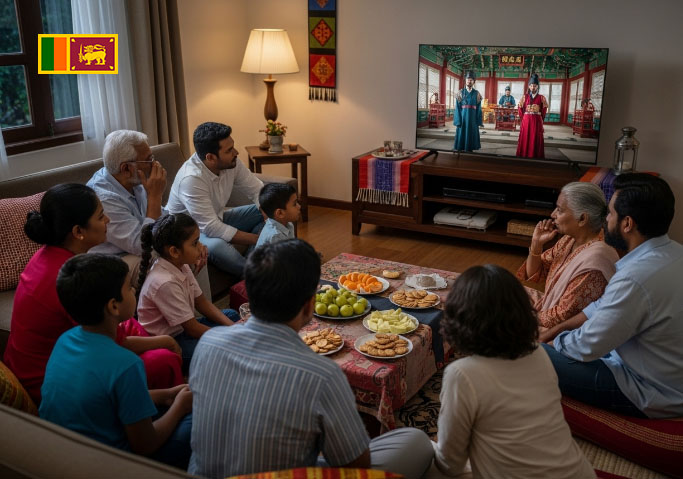
In Sri Lanka, the growth of international streaming services like Netflix, Viki, and YouTube means K-dramas are more accessible than ever. You don’t need to wait for TV schedules; you can binge an entire series over a weekend. Subtitles in English and Sinhala make it even easier for viewers to dive in, and many Sri Lankans enjoy watching with friends and discussing episodes together.
This access has played a huge role in turning casual viewers into passionate fans. I meet Sri Lankan students in Korea who start talking about dramas we both love and suddenly there’s a cultural bridge built over shared scenes, punchlines, and favorite characters.
Cultural Curiosity and Shared Values
K-dramas don’t just tell stories they also offer glimpses into Korean culture, food, fashion, social norms, and even language. For many Sri Lankan viewers, watching a drama can feel like traveling without leaving home. From traditional tea ceremonies to modern city life, dramas spark curiosity about Korea beyond the screen.
At the same time, the dramas don’t feel too foreign the emotional core and the everyday scenarios make the cultural differences feel inviting rather than alienating. This balance makes K-dramas both educational and emotionally satisfying.
The Power of Social Sharing and Fan Communities
Once a series gains traction, Sri Lankan viewers often take the discussion online in Facebook groups, Instagram reels, TikTok clips, and comment threads. This social sharing amplifies interest as recommendations circulate and episodes become group experiences rather than solo activities.
There’s a real sense of community among fans who quote lines, debate plot twists, recommend dramas to friends, and even use Korean phrases they’ve picked up along the way. This communal vibe mirrors how dramas themselves build relationships within their stories and viewers carry that spirit into real life.
Comedy, Romance, and the Balance of Emotion
Many K-dramas are bestselling because they balance genres well. A series might make you laugh, cry, and sit on the edge of your seat all within a single episode. Sri Lankan audiences appreciate humor that feels natural and romance that feels earned not rushed or superficial.
In shows like Crash Landing on You or Something in the Rain, relationships unfold slowly and believably, which resonates with viewers who enjoy emotional depth over quick plot devices.
A Global Trend with Local Feelings
It’s important to note that Sri Lanka isn’t alone in loving Korean dramas the affection is global. But what’s fascinating is how Sri Lankan viewers make these dramas their own. They relate them to local festivals, daily life experiences, and shared emotions.
A rainy monsoon afternoon can now be a K-drama watching afternoon among friends; a weekend in Colombo can be a weekend with subtitles and laughter shared over plot twists.
Final Thought
K-dramas have become popular in Sri Lanka not because of one thing, but because they combine many things skillfully: emotional narratives, relatable themes, strong characters, quality production, cultural curiosity, and wide accessibility. They are stories that invite you in, hold your attention, and leave you thinking just like good stories should.
As someone who experiences the Korean side of this cultural wave every day, I continue to be inspired by how deeply these dramas connect with people around the world. And in Sri Lanka where warmth, community, and storytelling are also cherished K-dramas feel like a perfect match.