What Foreigners Learn After Dating Koreans Long Term
At the beginning, dating a Korean often feels exciting and emotionally intense. The constant texting feels sweet. The attention feels comforting. Korean dating culture appears romantic, thoughtful, and emotionally immersive in ways many foreigners have never experienced before.
For some people, it feels almost unreal at first. But once the relationship moves beyond the early excitement stage, foreigners usually begin learning much deeper things about Korean relationships and Korean culture itself. And interestingly, many foreigners who date Koreans long term eventually say the same thing:
The relationship taught them far more about Korean society, emotional culture, and themselves than they ever expected. Because long term relationships in Korea are not just about romance. They slowly reveal how Koreans communicate, express love, handle stress, approach family, manage emotional expectations, and navigate modern society itself.

Korean Relationships Often Feel Emotionally Connected Every Day
One of the first things foreigners learn long term is that Korean relationships are usually built around continuous emotional connection. In some cultures, relationships become more independent over time. In Korea, emotional closeness often remains highly important even after years together.
Daily texting, checking in, asking about meals, sharing routines, and maintaining emotional presence usually continue much longer than many foreigners initially expect. At first, some people see this as overly intense. Later, many realize it creates emotional consistency and stability that can feel surprisingly comforting.
Foreigners who originally felt overwhelmed by Korean texting culture often admit they later missed it after leaving the relationship or returning home.
Love Is Often Expressed Through Daily Care
Another major realization is that many Koreans express love less through dramatic verbal emotion and more through practical attentiveness. Foreigners eventually notice how much emotional meaning exists inside small actions.
Remembering schedules. Bringing food after work. Waiting late at night. Checking health conditions. Helping solve problems quietly without being asked. Many Koreans grow up in family cultures where affection is shown through responsibility and care rather than constant emotional discussion.
As a result, foreigners dating Koreans long term often begin understanding emotional warmth differently. They stop looking only for romantic words and start recognizing consistency itself as affection.
Communication Is More Emotional Than Literal
Many foreigners also realize Korean communication relies heavily on emotional atmosphere rather than purely direct words. At first, this can feel frustrating. Korean partners may avoid confrontation directly, communicate discomfort subtly, or expect emotional understanding without fully explaining every feeling openly.
Foreigners often misinterpret this as emotional distance initially. Over time, however, many begin noticing emotional patterns more clearly through tone, silence, behavior, effort, and timing.
Long term relationships teach foreigners that understanding Korean communication often requires emotional sensitivity, not just language ability. Eventually, many couples develop communication styles that blend both cultures naturally.
Family Always Matters More Than Outsiders Expect
Another thing foreigners consistently learn is how deeply family culture influences Korean relationships. Even highly modern Koreans are often emotionally connected to family expectations more strongly than foreigners initially realize.
Meeting parents, holiday gatherings, family opinions, respectful communication, and future planning all become increasingly important over time. Foreigners who originally viewed relationships as mainly private experiences sometimes feel surprised by how emotionally connected Korean dating culture remains to family structure itself.
Some people struggle adapting to this. Others eventually appreciate the loyalty and long term support Korean family culture can provide. Either way, most foreigners eventually realize that understanding Korean relationships also means understanding Korean family culture.
Korean Society Creates More Pressure Than It Appears
Long term relationships also expose foreigners to the emotional pressure many Koreans quietly carry daily. Work stress, career competition, financial pressure, appearance standards, social expectations, and long working hours all affect relationships deeply. At first, foreigners often focus only on romantic aspects of Korean dating culture.
Later, they begin understanding how exhausting modern Korean society can feel emotionally for many young adults. This realization often changes how foreigners interpret Korean emotional behavior.
Some communication habits that initially seemed intense or emotionally dependent later make more sense within the context of Korea’s highly demanding social environment.
Relationships Often Become Highly Routine Based
Another interesting thing foreigners notice is how strongly Korean couples build emotional connection through routines. Shared cafes, favorite restaurants, texting habits, anniversaries, daily schedules, and repeated rituals become emotionally meaningful.
Some foreigners initially find this repetitive. Later, many realize routines themselves create emotional intimacy in Korean relationships. Consistency becomes comforting emotionally.
This is one reason Korean couples often appear deeply connected even during ordinary everyday activities. The relationship becomes woven into daily life itself rather than existing only during special romantic moments.
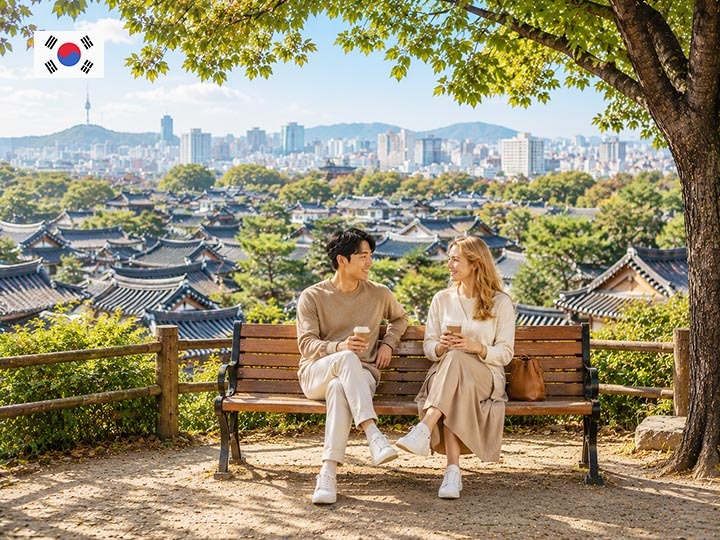
Foreigners Learn Korean Dating Culture Is Not Like Dramas
One of the biggest realizations eventually happens when foreigners stop comparing real Korean relationships to Korean entertainment. K-dramas often emphasize dramatic romance, emotional intensity, and cinematic moments. Real relationships in Korea involve stress, work pressure, emotional misunderstandings, financial concerns, family dynamics, and communication difficulties just like anywhere else.
Some foreigners feel disappointed initially. Others develop much deeper appreciation for Korean relationships once they stop expecting fantasy. Because beneath the entertainment image, many Korean relationships contain genuine loyalty, consistency, emotional attentiveness, and practical care that people rarely notice at first.
Long Term Relationships Change Foreigners Too
Many foreigners eventually realize they themselves changed emotionally after dating Koreans long term. Some become more emotionally attentive. Others become more comfortable expressing care through small daily actions.
Many people say they became more aware of communication patterns, emotional consistency, and relationship effort after experiencing Korean dating culture.
Even after relationships end, many foreigners feel Korean relationships permanently changed how they understand emotional connection itself. The cultural influence often stays long after the relationship ends.
Modern Korean Relationships Are Changing Quickly
Foreigners dating Koreans long term also notice how rapidly Korean relationship culture is evolving. Younger generations today are far more globally influenced than previous generations. Mental health awareness, emotional openness, gender equality, and personal independence are becoming increasingly important among younger Koreans.
At the same time, traditional emotional habits still remain highly influential. Modern Korean relationships now exist somewhere between traditional collectivist culture and global modern relationship values. This combination is one reason Korean dating culture often feels emotionally unique to foreigners.
The Biggest Lesson Most Foreigners Learn
Perhaps the most important thing foreigners eventually learn after dating Koreans long term is this: Korean relationships are often less about dramatic romance and more about emotional presence.
The affection exists inside daily routines, practical care, communication consistency, emotional attentiveness, and quiet reliability over time. At first, foreigners often notice only the visible parts of Korean dating culture.
The texting. The anniversaries. The couple culture. But after years together, many realize the deeper emotional core underneath it all. For many Koreans, love is not something shown only during special moments.
It is something quietly maintained every single day through attention, effort, and emotional consistency. And once foreigners understand that, Korean relationships usually begin making much more emotional sense.