Cultural Differences Foreigners Notice When Dating Koreans
For many foreigners, dating a Korean feels exciting at first but also surprisingly unfamiliar emotionally. The texting habits are different. The communication style feels different. Relationship expectations develop differently. Even small things like meal messages, reply speed, anniversaries, or meeting parents suddenly seem emotionally important in ways outsiders did not expect.
At first, many foreigners assume these are just individual personality differences. But after spending more time inside Korean dating culture, most people realize something deeper. Many of these experiences are connected to broader cultural patterns inside Korean society itself. That does not mean every Korean thinks or behaves the same way.
Modern Korea is highly diverse, especially among younger generations. Still, there are certain cultural differences that foreigners repeatedly notice when dating Koreans, especially during long term relationships. Understanding these patterns helps explain why Korean relationships often feel emotionally unique compared to relationships in many Western countries.

Communication Feels More Constant
One of the first things foreigners notice is how frequently many Koreans communicate in relationships. Good morning texts, meal updates, asking whether someone arrived home safely, casual photos throughout the day, and regular check ins are all very common.
For many Koreans, this communication represents emotional care and attentiveness. The goal is often not simply exchanging information. It is maintaining emotional presence throughout the day.
Foreigners from more independent communication cultures sometimes feel overwhelmed initially because constant texting may feel unnecessary or emotionally intense.
Meanwhile, Koreans dating foreigners sometimes interpret slower communication differently emotionally. In Korean dating culture, consistency often feels emotionally reassuring.
Indirect Communication Can Feel Confusing
Another major difference involves emotional communication style. Korean communication is often more indirect compared to Western communication. People sometimes avoid direct confrontation or emotionally blunt language because social harmony matters strongly culturally.
As a result, emotions may be expressed through tone, silence, subtle behavior changes, or emotional atmosphere instead of explicit statements. Foreigners unfamiliar with this style sometimes miss emotional signals completely. For example, a Korean partner may quietly withdraw emotionally instead of openly explaining frustration immediately.
Meanwhile, Koreans may feel Western communication styles sound emotionally aggressive during conflict. Most successful international couples eventually learn how to interpret each other’s emotional language rather than assuming their own style is universal.
Relationships Often Become Serious Faster
Many foreigners are surprised by how emotionally serious Korean relationships can become relatively quickly. Once couples officially start dating, expectations around loyalty, consistency, communication, and emotional attention often increase significantly.
In many Western cultures, people may casually date for longer periods without clearly defining the relationship. In Korea, emotional clarity is usually valued more strongly. This does not necessarily mean immediate marriage expectations. But many Koreans approach relationships with more emotional structure and seriousness earlier than outsiders expect.
Foreigners sometimes interpret this as pressure initially. Over time, many realize it often comes from a cultural preference for emotional stability and clear commitment.
Practical Care Is Viewed as Affection
Another cultural difference foreigners notice is how love is expressed. In many Korean relationships, affection is often shown through practical actions rather than dramatic emotional speeches.
Preparing food, remembering schedules, helping with stress, bringing medicine, carrying bags, checking daily routines, and staying emotionally reliable all carry strong emotional meaning. Foreigners who expect constant verbal reassurance sometimes initially misunderstand Korean emotional expression.
Meanwhile, many Koreans feel confused when foreign partners focus heavily on emotional conversation but less on practical daily attentiveness. Eventually, many international couples realize they are simply expressing care through different emotional systems.
Family Culture Feels Much More Involved
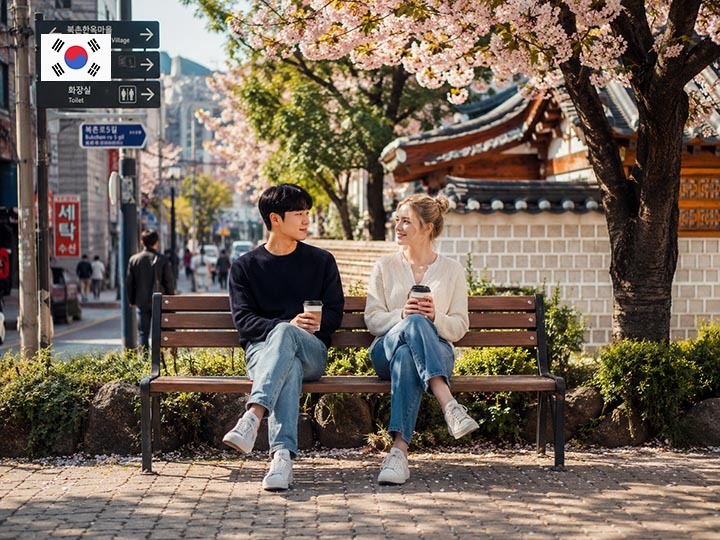
Foreigners are often surprised by how important family remains in Korean relationships. Parents frequently stay emotionally involved in their children’s dating lives far longer than many outsiders expect.
Meeting parents often carries significant emotional meaning. Family approval may influence relationships more strongly than in some Western cultures. Holiday gatherings, family expectations, and respectful communication toward elders are also emotionally important.
For foreigners from highly individualistic cultures, this level of family involvement can initially feel overwhelming. But in Korean culture, close family relationships are often viewed as responsibility and emotional connection rather than interference. Understanding this difference helps prevent many misunderstandings later.
Couple Culture Is Highly Visible
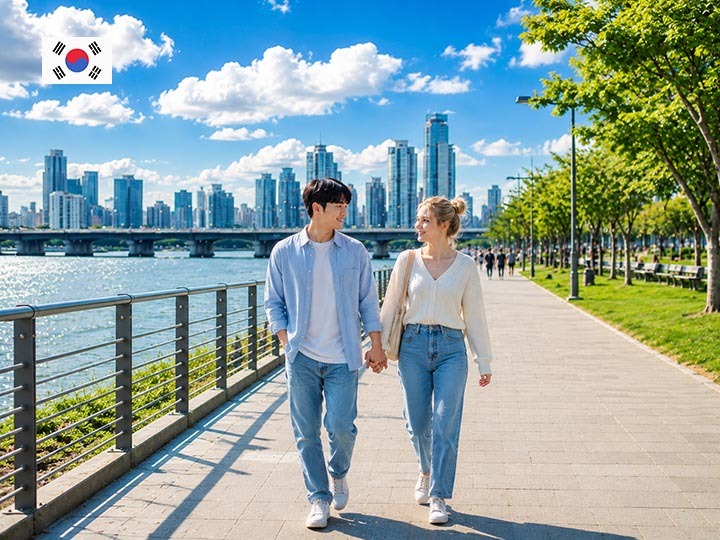
Many foreigners also notice how publicly visible relationships are in Korea. Matching outfits, couple rings, anniversaries, shared routines, couple cafes, and relationship centered activities are all common.
Some foreigners love this emotional closeness and visible affection. Others feel surprised by how immersive couple culture can become socially.
In Korea, relationships are often emotionally integrated into everyday life much more visibly than outsiders expect. The relationship itself becomes a major part of daily identity for many couples.
Social Pressure Influences Dating More Than Expected
Modern Korean society places strong pressure on appearance, career success, education, and social image. These pressures influence relationships too. Some foreigners initially misunderstand why stability, career plans, financial security, or social presentation matter strongly in Korean dating culture.
But for many Koreans, relationships exist inside a highly competitive social environment where long term stability feels emotionally important. This is especially noticeable when relationships become serious. Foreigners who understand modern Korean social pressure usually become more empathetic partners emotionally.
Language Differences Affect Emotional Connection
Even when couples communicate well in English, emotional nuance can still become difficult. Humor, emotional comfort, family interactions, arguments, and personality expression all become more complicated across languages.
Some foreigners living in Korea quietly struggle because they cannot fully express themselves naturally in Korean. Likewise, Koreans communicating in English sometimes feel emotionally restricted compared to speaking their native language.
Many international couples eventually say learning each other’s language changed their emotional connection completely. Even small language effort often creates emotional warmth because it signals sincerity and respect.
Korean Dating Culture Is Changing Quickly
One important thing foreigners eventually realize is that Korean dating culture is changing rapidly. Younger generations today are far more globally connected through travel, social media, international friendships, and multicultural experiences.
Many younger Koreans value emotional compatibility, equality, mental health, and personal independence more strongly than previous generations did. At the same time, traditional emotional patterns still remain highly influential beneath modern Korean society.
This combination of global modernity and traditional emotional structure is one reason Korean relationships often feel emotionally unique to foreigners.
Most Cultural Differences Become Easier With Understanding
Perhaps the biggest lesson foreigners eventually learn is this: Most cultural misunderstandings in Korean relationships are not caused by bad intentions. They happen because people attach different emotional meanings to the same behaviors.
A Korean partner may view frequent texting as emotional care. A foreign partner may initially view it as pressure. A foreign partner may believe emotional honesty means direct confrontation. A Korean partner may believe emotional care means maintaining harmony calmly. Neither person is necessarily wrong.
They are simply communicating from different emotional cultures. The couples who succeed long term usually stop trying to prove which culture is correct.
Instead, they become curious about how the other person experiences love, attention, communication, family, and emotional comfort differently. And once that happens, many of the cultural differences that once felt confusing eventually become some of the most meaningful parts of the relationship itself.