Why Is the Pali Pali Hurry Up Culture So Dominant in Korea
If you spend even a short time in Korea, you will probably hear the phrase Pali Pali. It simply means hurry up, but the meaning goes much deeper than just telling someone to move faster. Pali Pali reflects an entire mindset that has shaped daily life in Korea for decades.
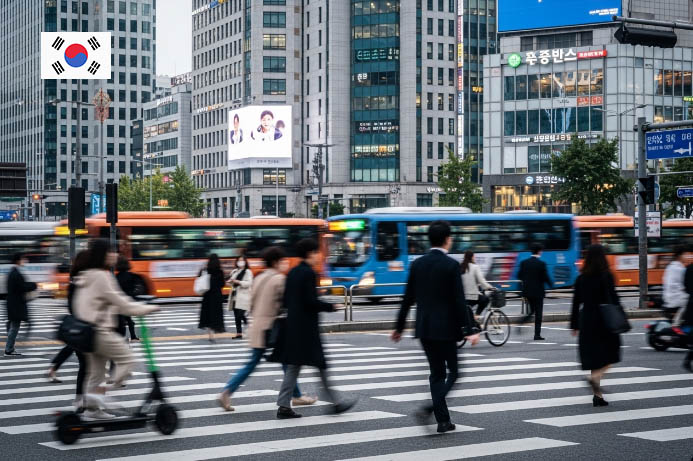
Foreign visitors often notice this immediately. Food arrives quickly in restaurants, online orders are delivered almost overnight, and people walk through the city with impressive speed. For someone visiting from a slower paced culture, Korea can feel like it is constantly moving in fast forward.
As someone who grew up here, I can tell you that the Pali Pali culture did not appear overnight. It developed from history, economic changes, and the way modern Korean society functions today.
The Roots Come From Rapid Economic Growth
One of the biggest reasons behind the Pali Pali mindset comes from Korea’s modern history. After the Korean War in the 1950s, the country faced enormous challenges. Infrastructure was damaged, the economy was weak, and the country needed to rebuild almost everything.
During the following decades, Korea focused intensely on development and economic growth. Industries expanded quickly, cities modernized, and the country worked hard to transform itself into a global economy.
This period of rapid development required speed and efficiency. The idea that things must be done quickly became deeply connected with national progress. Working faster often meant moving the country forward. Over time, this attitude naturally became part of everyday culture.
A Dense Country With Busy Cities
Another reason is simple geography. Korea is a relatively small country with a large population concentrated in major cities like Seoul. Urban life here is naturally fast paced.
Subways run frequently, restaurants serve food quickly, and services are designed to handle large numbers of people efficiently. When millions of people share the same spaces, systems need to move quickly to keep everything running smoothly.
Because of this, people adapt to the speed of their environment. Walking fast, working efficiently, and finishing tasks quickly become normal habits.
Technology Made Everything Even Faster
Korea is also one of the most digitally connected countries in the world. High speed internet, advanced delivery systems, and mobile services have made daily life incredibly convenient.
Food delivery can arrive in less than thirty minutes. Online shopping orders often arrive the next morning. Even banking and government services are designed to be completed quickly through mobile apps.
Once people become used to this level of efficiency, waiting for slow systems starts to feel uncomfortable. The Pali Pali culture becomes reinforced by the convenience of modern technology.
Work Culture Encourages Speed and Productivity
The workplace also plays a role in maintaining this fast paced mindset. Korean companies often value productivity and quick results. Projects move quickly, deadlines can be tight, and employees are expected to handle tasks efficiently.
This environment naturally encourages a sense of urgency. People become used to responding quickly, finishing assignments fast, and moving to the next task without delay. While this can sometimes feel stressful, it has also contributed to Korea’s reputation for efficiency and innovation.
The Positive Side of Pali Pali
From the outside, the Pali Pali culture might sound exhausting, but it also has advantages. Many visitors are impressed by how convenient daily life feels in Korea.
Public transportation is efficient, services are quick, and many everyday tasks can be completed in minutes rather than hours. If you need something urgently, there is a good chance you can get it faster here than in many other countries.
This efficiency is one reason Korea is often seen as a very comfortable place to live once people adapt to the pace.
But Koreans Also Know When to Slow Down
Interestingly, despite the fast daily rhythm, Koreans also value moments of relaxation. Weekend trips, late night meals with friends, and long conversations in cafes are all important parts of social life.
People may work quickly during the day, but they still enjoy slowing down when spending time with friends and family. This balance between speed and social connection is something many visitors eventually learn to appreciate.
More Than Just a Phrase
In the end, Pali Pali is more than a simple phrase. It represents the energy, determination, and adaptability that shaped modern Korea.
When foreigners first arrive, the pace may feel overwhelming. But after some time, many people discover that the efficiency makes life surprisingly convenient.
And once you experience food delivery arriving faster than you expected or a subway that appears exactly on schedule, you might find yourself quietly thinking the same thing many Koreans say every day.
Pali Pali.