
Accommodation Guide for Families Visiting Korea
South Korea has quietly become one of the best family travel destinations in Asia. Most first-time visitors expect Korea to be fast, crowded, and overwhelming, especially in Seoul. But families who actually spend time here usually leave surprised by how convenient, safe, and family-friendly the country feels.
The biggest difference between traveling in Korea versus many other Asian countries is infrastructure. Public transportation is reliable, streets are clean, convenience stores are everywhere, and even smaller cities are relatively easy to navigate with children. Choosing the right accommodation, however, makes an enormous difference in how enjoyable the trip becomes.
Many foreign travelers focus too much on luxury hotels without understanding how Korean cities work. In Korea, staying near the right subway station matters far more than booking the most expensive room.

Best Areas for Families Staying in Seoul
Seoul is massive, and every district feels completely different. Families should choose neighborhoods based on travel style rather than social media popularity.
Myeongdong remains one of the easiest areas for first-time visitors. Airport limousine buses stop nearby, transportation connections are excellent, and there are endless restaurants within walking distance. Parents with younger children often appreciate how convenient everything feels. Late-night food options, pharmacies, and convenience stores are everywhere.
Jamsil is one of the best choices for families who want a quieter atmosphere. This area has wider sidewalks, large parks, shopping malls, and attractions like Lotte World. Many Korean families actually prefer this neighborhood because it feels cleaner and less chaotic than central tourist districts.
Hongdae works well for families traveling with teenagers. The area is youthful, energetic, and filled with street performances, cafes, shopping streets, and trendy restaurants. However, it can become noisy late at night, especially on weekends.
Insadong is ideal for visitors interested in Korean culture. Traditional tea houses, hanok-style streets, art galleries, and calmer surroundings create a slower atmosphere that many international families enjoy.
Hotels vs Residence Hotels in Korea
One thing surprises many Western travelers immediately: Korean hotel rooms are often smaller than expected.
A standard hotel room in Seoul may feel tight once luggage and children are added. Families staying longer than four or five days usually prefer residence hotels instead.
Residence hotels are extremely popular in Korea for practical reasons. Most include small kitchens, microwaves, refrigerators, and washing machines. Laundry becomes especially important for parents traveling with children during summer or winter seasons.
Many experienced travelers now recommend residence hotels over Airbnb because the check-in process is easier and customer support is more reliable. Airbnb in Korea can still work well, but quality varies significantly depending on the property.
Why Korean Convenience Stores Matter for Families
This sounds minor until you actually travel in Korea.
Convenience stores become essential for families. Parents regularly buy quick breakfasts, snacks, medicine, drinks, diapers, milk, and even simple late-night meals there. GS25, CU, and 7-Eleven stores are open almost everywhere, often 24 hours a day.
Families staying near convenience stores usually have a much easier travel experience, especially after long sightseeing days.
Best Accommodation Types Outside Seoul
Busan and Jeju Island offer completely different accommodation styles compared to Seoul.
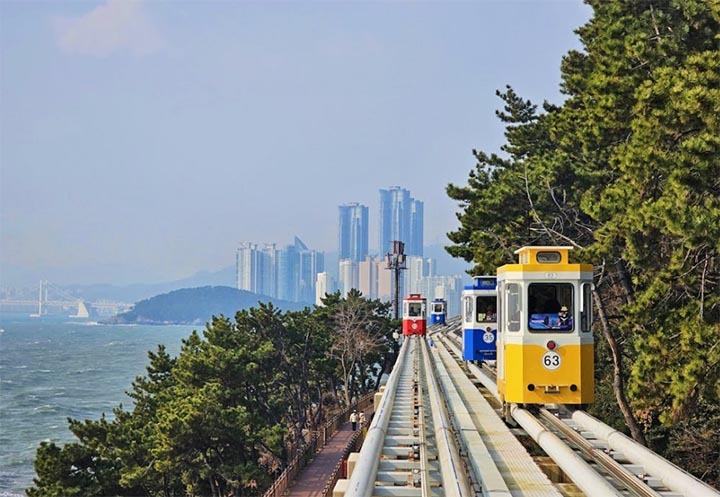
In Busan, most families prefer staying near Haeundae Beach. The area is modern, stroller-friendly, and full of cafes and restaurants with ocean views. Walking paths along the beach are especially comfortable for families with children.
Jeju Island is where many travelers experience Korean pensions for the first time. Pensions are private vacation-style accommodations that often include multiple bedrooms, kitchens, barbecue areas, and outdoor spaces. Korean families commonly choose pensions because they offer more space and privacy than hotels.
Hanok stays are another memorable option. These traditional Korean homes allow visitors to experience Korean architecture and culture directly. However, some families with very young children may find floor bedding slightly uncomfortable for longer stays.
Transportation Should Influence Your Hotel Choice
Foreign tourists often underestimate how important subway access is in Korea.
Walking ten minutes uphill in Seoul with luggage, strollers, or exhausted children can feel much longer than expected. That is why locals prioritize subway proximity when choosing accommodations.
The best family accommodations are usually within five minutes of a subway station. Line 2 in Seoul is especially useful because it connects many major tourist districts.
Airport limousine bus access is another underrated advantage. After a long international flight, many families prefer direct airport transportation rather than navigating subway transfers with children and suitcases.
When to Visit Korea for Family Travel
Spring and autumn are the most comfortable seasons.
Cherry blossom season in April attracts enormous international crowds, while October offers cooler weather and beautiful autumn colors. These periods also sell out family rooms quickly, especially in Seoul and Jeju.
Summer works well for beach destinations like Busan, although humidity can feel intense for visitors unfamiliar with Korean summers.
Winter is quieter and often cheaper except during Christmas and Lunar New Year holidays.
Families visiting during peak seasons should ideally reserve accommodations at least two or three months in advance.

What Foreign Families Usually Notice First About Korea
Most visitors immediately notice how safe Korea feels.
Parents often feel comfortable walking at night, using public transportation late in the evening, or letting older children explore nearby stores independently. Korea’s low crime rate and strong public transportation system remove much of the stress many families experience while traveling abroad.
Another thing families quickly appreciate is how efficient Korean daily life is. Food delivery apps, fast transportation, clean public restrooms, and organized city systems make travel smoother than many people expect.
South Korea may initially look intense from the outside, but for families, it is actually one of the easiest countries in Asia to travel comfortably. Once you choose the right neighborhood and accommodation type, the rest of the trip usually becomes far more relaxing and enjoyable.