What Are the Unique Korean Etiquette Rules You Must Know Before Visiting
If you are planning a trip to South Korea, the first thing I want to say is welcome. Korea is a fascinating place to explore, and most locals genuinely appreciate visitors who are curious about our culture.
But like every country, Korea has its own set of social habits that can feel a little unusual at first. Some of these rules are subtle, while others can surprise travelers who are experiencing Korean culture for the first time.
The good news is that you do not need to memorize dozens of complicated customs. In reality, just understanding a few key etiquette rules will help you feel more comfortable and make a great impression on the people you meet.
Let me share some of the most common cultural habits that visitors often notice during their time in Korea.
A Small Bow Goes a Long Way
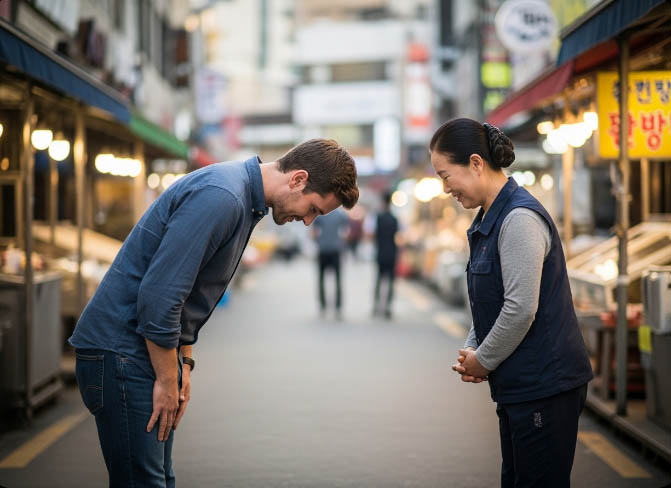
One of the first things you will notice in Korea is how often people bow. Bowing is simply a way of showing respect or greeting someone politely.
You do not need to perform a deep formal bow like you might see in historical dramas. A small nod of the head when greeting someone or saying thank you is perfectly enough.
Foreign visitors sometimes worry about doing this incorrectly, but honestly, Koreans appreciate the effort more than the perfection. Even a small respectful gesture can feel very thoughtful.
Always Use Two Hands When Giving or Receiving
This is one of the most well known etiquette rules in Korea. When you give something to someone, especially something important like money, a business card, or a gift, it is polite to use both hands.
You might either hold the item with both hands or support your right arm lightly with your left hand. This gesture shows respect toward the other person.
You will see this often in everyday situations such as paying at restaurants, handing over documents, or exchanging business cards.
Shoes Off Inside the House
If you visit a Korean home, remember that shoes come off at the entrance. This is one rule that visitors usually learn quickly.
Korean homes are designed with heated floors, and people sit or walk on the floor frequently. Because of that, keeping outdoor shoes inside the house would feel uncomfortable and unclean.
Most homes have a small entry area called a hyun gwan where shoes are removed. Hosts will usually offer indoor slippers, but sometimes people simply walk around in socks.
Dining Etiquette Matters More Than You Think
Food is a huge part of Korean culture, and meals are often shared with family, friends, or coworkers.
One important rule is that younger people usually wait for the oldest person at the table to start eating first. Once they begin, everyone else can start their meal.
Another interesting habit is how people pour drinks for each other. In Korea, it is considered polite to refill someone else’s glass rather than pouring your own drink.
When someone older pours you a drink, you might notice Koreans slightly turning their head away while drinking. This small gesture shows respect toward elders.
Public Transportation Is Quiet
Many travelers notice something interesting when they ride the subway in Korea for the first time.
Despite being very crowded during rush hour, trains are usually quiet. People rarely talk loudly on the phone or have animated conversations.
Most passengers are either looking at their phones, listening to music, or simply resting during their commute.
This quiet atmosphere is considered polite because it respects the personal space of others in a shared environment.
Respect for Age Is a Big Part of Korean Culture
Age plays a meaningful role in Korean social interactions.
When meeting someone for the first time, Koreans often ask your age relatively early in the conversation. For visitors, this can feel surprisingly direct.
But the reason is simple. Knowing someone’s age helps determine which language style and level of politeness should be used.
Once you understand this, the question feels much less personal and more like a practical part of communication.
Do Not Be Too Worried About Making Mistakes
Here is the most important thing I want visitors to know.
Koreans do not expect foreigners to know every cultural rule perfectly. In fact, most people are very understanding and happy when visitors show curiosity about Korean customs.
If you accidentally break a small etiquette rule, no one will be offended. People usually smile and gently explain the situation.
What truly matters is the intention behind your behavior. If you show kindness, patience, and respect, you will always be welcomed warmly in Korea.
Traveling to another country is not about following every rule perfectly. It is about experiencing a different culture, learning something new, and enjoying the journey along the way.
And who knows. By the end of your trip, you might find yourself bowing slightly when saying thank you without even realizing it.