
Why Some Tunisian and Moroccan Women See Korean Men as Top Marriage Partners
In recent years, something interesting has been happening quietly across North Africa. In countries like Tunisia and Morocco, more women are becoming curious about Korean culture and, in some cases, even expressing interest in Korean men as long term partners.
This is not just about appearance or trends. It’s the result of several overlapping influences including media, cultural values, and changing expectations about relationships.
From working with international couples and observing multicultural trends, this pattern is becoming more noticeable. But to understand it properly, you need to look beyond surface level assumptions.
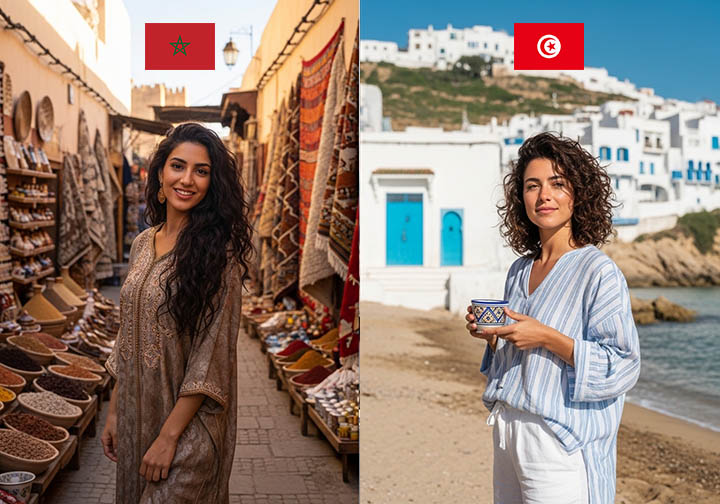
The Influence of K Culture in North Africa
One of the biggest factors is the global spread of Korean culture. The Korean Wave, often referred to as Hallyu, has expanded far beyond Asia and is now firmly established in regions like the Middle East and North Africa.
In Morocco, for example, K-pop and K-dramas have steadily gained popularity among young people, even without large scale concerts or direct promotion. This exposure shapes perception. For many women, Korean men are first introduced through dramas where they are portrayed as attentive, emotionally expressive, and relationship focused.
A Different Image of Masculinity
One of the most commonly mentioned reasons is the contrast in relationship style. Korean men are often perceived as.
- More emotionally attentive
- More involved in relationships
- More expressive in daily care
Whether this perception is fully accurate or partly influenced by media, it creates a strong impression. In cultures where traditional masculinity may emphasize authority or emotional distance, this softer and more attentive image feels different and appealing.
Shared Values Around Family
Despite cultural differences, there are also similarities. Both Korean and North African cultures place importance on family, respect, and long term commitment.
This creates a sense of compatibility. Relationships are not viewed as casual or temporary. Marriage is still considered a serious life step. For many Tunisian and Moroccan women, this alignment makes Korean men feel more suitable compared to cultures where individualism is stronger.
The Role of Stability and Responsibility
Another important factor is the perception of stability. Korea is seen as a developed country with strong infrastructure, safety, and economic opportunity.
At the same time, Korean men are often viewed as responsible and hardworking, especially due to social expectations around providing for family. This combination of economic stability and personal responsibility creates an image of reliability.
Interestingly, similar patterns have been observed in other countries where Korean men are seen as stable partners due to both cultural and economic factors.
Curiosity Driven by Cultural Exposure
For many women, the interest does not start with marriage. It starts with curiosity.
- Watching dramas
- Listening to music
- Learning the language
Over time, this curiosity can evolve into interest in people, relationships, and lifestyle. This is how cultural interest gradually turns into personal interest.
The Appeal of Emotional Expression
K-dramas often highlight small, consistent acts of care. Simple gestures, emotional communication, and attention to detail are central themes. For viewers, this creates a specific expectation of what a caring partner looks like. Even if reality is different, the emotional standard remains influential.
Social Change and Global Mindset
Younger generations in Tunisia and Morocco are becoming more globally connected. Through social media, streaming platforms, and travel, exposure to different cultures is increasing. This changes how people think about relationships. Marriage is no longer limited to local or traditional options. International relationships feel more accessible than before.
What People Often Misunderstand
It’s easy to assume that this trend is based purely on fantasy or media influence. But in reality, it’s more complex.
Yes, media plays a role. But so do.
- Real cultural compatibility
- Changing expectations about relationships
- Desire for emotional connection and stability
At the same time, expectations shaped by dramas can lead to misunderstandings if not balanced with reality.
The Reality Behind the Interest
Not all Korean men are the same as what is shown in dramas.
Real relationships involve.
- Language barriers
- Cultural differences
- Different communication styles
Couples who succeed are the ones who move beyond idealized images and focus on real understanding.
Practical Insight From Experience
From working with multicultural couples, one pattern is clear. Initial attraction often comes from image or curiosity.
Long term success depends on.
- Communication
- Adaptability
- Realistic expectations
Without these, even the strongest initial interest can fade.
Why This Trend Will Likely Continue
The global influence of Korean culture is still growing. As more people in North Africa engage with Korean media and lifestyle, interest in Korean relationships will likely increase.
At the same time, international marriage is becoming more common overall, with roughly one in ten marriages in Korea involving a foreign spouse. This shows that cross cultural relationships are no longer rare.
Final Thoughts
The idea that Tunisian or Moroccan women see Korean men as top marriage partners is not just a trend. It’s a reflection of changing global connections.
Cultural exposure, emotional expectations, and shared values all play a role. But like any international relationship, success depends on what happens after the initial attraction. If both sides move beyond assumptions and build real understanding, what starts as curiosity can turn into a stable and meaningful relationship.