Why So Many Filipinas Adapt Quickly to Life in Korea
Among the many foreign communities living in Korea, Filipinas are often recognized for adapting remarkably well to Korean society. Whether they arrive through marriage, employment, study programs, or family reunification, many Filipinas manage to build stable lives, form meaningful relationships, and become active members of their local communities in a relatively short period of time.
This does not mean that life in Korea is easy. Like every foreign resident, Filipinas face language barriers, cultural differences, homesickness, and the challenges of adjusting to a new environment. Yet many people who work with multicultural families in Korea often notice that Filipinas tend to integrate more smoothly than expected.
After years of observing multicultural communities and speaking with Korean Filipino families, several reasons consistently emerge.

Strong Family Values Create a Natural Connection
One of the biggest reasons Filipinas adapt well to Korean society is that both cultures place a high value on family.
In the Philippines, family is often the center of daily life. Parents, grandparents, siblings, and relatives maintain close relationships and frequently support one another. Family gatherings are common and respect for elders is deeply ingrained.
Korean culture shares many of these values. Respect for parents, family responsibility, and caring for older generations remain important parts of society.
Because of these similarities, many Filipinas find certain aspects of Korean family life surprisingly familiar. While there are certainly differences, the underlying values often feel understandable rather than completely foreign.
A Positive Attitude Toward New Experiences
Many Filipinas arrive in Korea with a willingness to learn and adapt.
Instead of constantly comparing Korea to home, they often focus on understanding how things work in their new environment. This mindset makes a significant difference.
People who approach cultural differences with curiosity rather than frustration generally adjust more successfully. Many Filipinas actively seek opportunities to learn Korean customs, improve their language skills, and understand local expectations.
This openness helps them overcome obstacles that might otherwise feel overwhelming.
English Skills Often Provide an Advantage
Compared to many countries in Asia, English proficiency is relatively widespread in the Philippines.
While English alone is not enough for daily life in Korea, it can still be helpful during the adjustment process. Accessing information online, completing administrative procedures, communicating with international communities, and learning Korean through English educational resources can all become easier.
Many Filipinas use English as a bridge language while gradually developing Korean language skills. This additional communication tool often helps reduce stress during the first few years of living in Korea.
Community Networks Provide Strong Support
The Filipino community in Korea has grown steadily over the years.
Today, there are Filipino churches, community organizations, cultural associations, social groups, and online networks throughout the country. These communities provide emotional support, practical advice, and friendship for newcomers.
Having access to people who understand the challenges of adapting to a new country can make an enormous difference.
Many Filipinas receive guidance about healthcare, education, employment, transportation, immigration procedures, and everyday life from others who have already gone through the same experiences. This support network helps accelerate adaptation and reduces feelings of isolation.
Warm and Social Personalities Help Build Relationships
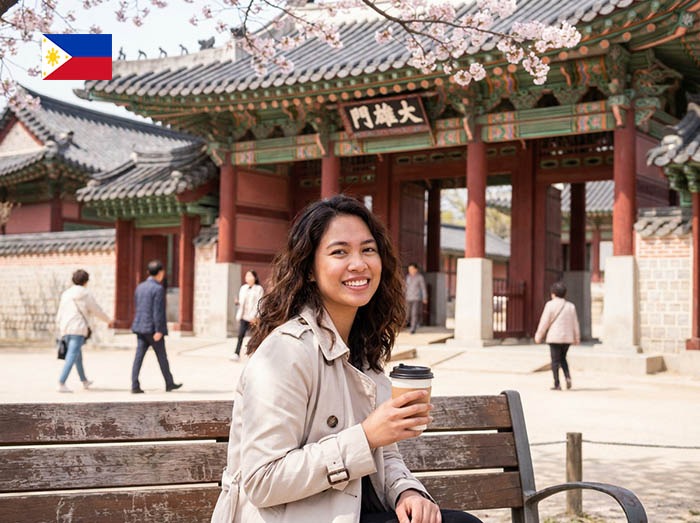
One trait frequently mentioned by Koreans who interact with Filipinas is their friendliness.
Many Filipinas enjoy social interaction and are comfortable starting conversations, building friendships, and participating in community activities.
In multicultural neighborhoods across Korea, it is common to see Filipinas actively involved in local events, school activities, church communities, and neighborhood gatherings.
These social connections help create a sense of belonging and make everyday life more enjoyable. The ability to form relationships quickly often becomes one of the biggest advantages during the adjustment process.
Shared Respect for Elders
Respect for older family members is another area where Filipino and Korean cultures overlap. In both countries, younger generations are generally expected to show consideration and respect toward parents and grandparents.
Although specific customs differ, the underlying principle feels familiar to many Filipinas. This cultural similarity often helps reduce potential misunderstandings within Korean families and creates smoother relationships with parents in law and older relatives.
Filipinas Are Often Highly Resilient
Moving to another country requires courage. Many Filipinas who come to Korea have already demonstrated a strong ability to adapt by leaving familiar surroundings, family networks, and comfort zones behind.
This resilience becomes one of their greatest strengths.
Whether learning a difficult language, adjusting to different food, navigating bureaucracy, or raising children in a multicultural environment, many Filipinas approach challenges with determination and patience. Over time, this resilience helps transform unfamiliar situations into everyday routines.
Korean Society Is Becoming More Familiar
The popularity of Korean culture throughout the Philippines has also contributed to faster adaptation.
Korean dramas, K-pop, Korean beauty products, Korean food, and Korean entertainment have become extremely popular in the Philippines over the past two decades.
As a result, many Filipinas arrive in Korea with at least some basic familiarity with Korean culture. They may already recognize common foods, understand certain cultural references, or have an interest in learning the language.
This prior exposure creates a smoother transition compared to moving to a completely unfamiliar country.
Multicultural Support Programs Have Improved
Korea has significantly expanded support services for multicultural families over the past decade.
Many local governments now operate multicultural family support centers that provide language education, counseling services, parenting programs, legal assistance, and cultural adaptation resources.
These programs help foreign spouses build confidence and develop the skills needed for long term success in Korea.
Filipinas who actively participate in these services often gain practical knowledge and valuable social connections that make adaptation easier.
Challenges Still Exist
Despite these advantages, adaptation is not always simple. Homesickness, language barriers, cultural misunderstandings, employment difficulties, and discrimination can still affect some Filipinas.
Every individual experience is different. Some women adapt quickly while others need years to feel completely comfortable.
The important point is that successful adaptation does not happen because someone is lucky. It happens through effort, support, patience, and a willingness to learn.
Final Thoughts
The reason many Filipinas adapt quickly to life in Korea is not because the transition is easy. It is because many bring qualities that help them navigate challenges successfully.
Strong family values, resilience, positive attitudes, social skills, community support, and cultural flexibility all contribute to their success.
As Korea continues to become more diverse, Filipino women are playing an increasingly important role in multicultural communities across the country.
Their experiences demonstrate that successful adaptation is not about abandoning one’s own culture. It is about finding ways to respect both cultures while building a meaningful new life.
For many Filipinas in Korea, that balance is exactly what allows them to thrive.