What Makes Korean Skincare Different From Western Skincare?
Many people first discover Korean beauty through social media, beauty influencers, K dramas, or recommendations from friends. They see products with unfamiliar ingredients, multi step routines, colorful packaging, and skincare philosophies that often look very different from what they grew up with.
Some assume Korean skincare is simply better. Others believe it is mostly marketing.
The reality is more interesting.
After years of observing beauty trends in Korea and speaking with local consumers, skincare professionals, international residents, and visitors, I have noticed that the biggest difference is not actually the products themselves.
The biggest difference is the philosophy behind them.
Korean Skincare Focuses on Prevention Rather Than Correction
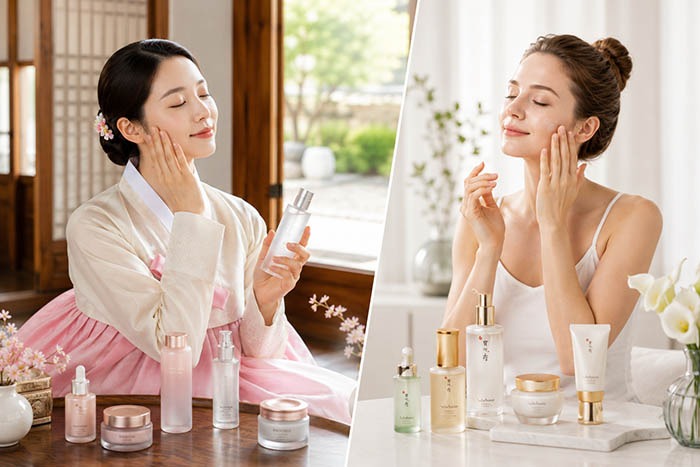
One of the most important differences between Korean and Western skincare is the overall approach. In many Western countries, skincare often becomes a priority after a specific problem appears. People may start looking for products when wrinkles become visible, acne becomes severe, pigmentation develops, or skin damage becomes noticeable.
In Korea, the mindset is often different. Many people begin skincare routines long before major concerns appear. The goal is not simply to fix problems. The goal is to prevent them.
This preventive mindset influences everything from daily cleansing habits to sunscreen use and hydration routines. Rather than asking how to reverse skin damage, many Koreans focus on avoiding it in the first place.
Hydration Is Considered Essential
Hydration sits at the center of Korean skincare. Many Korean products are designed to help the skin maintain moisture and strengthen its natural barrier. Toners, essences, serums, ampoules, moisturizers, and sheet masks often focus heavily on hydration.
Western skincare products sometimes prioritize aggressive exfoliation, strong active ingredients, or quick results.
Korean skincare tends to emphasize balance. The belief is that well hydrated skin naturally appears healthier, smoother, brighter, and younger. This is one reason why terms such as glass skin became popular around the world. The appearance of glowing skin often comes from consistent hydration rather than dramatic treatments.
The Skin Barrier Receives More Attention
In recent years, skincare professionals worldwide have begun emphasizing the importance of the skin barrier. Korean skincare has focused on this concept for a long time. Many Korean products contain ingredients designed to support the skin barrier.
- Ceramides.
- Centella asiatica.
- Panthenol.
- Beta glucan.
- Madecassoside.
These ingredients are commonly found in Korean skincare products because maintaining a healthy barrier is viewed as essential for long term skin health. Instead of constantly stripping the skin with harsh treatments, Korean skincare often encourages gentle care.
Sunscreen Is a Daily Habit
Perhaps nothing illustrates the difference more clearly than sunscreen. In Korea, sunscreen is often treated as a daily necessity rather than an optional summer product. Many Koreans apply sunscreen even on cloudy days, during winter, or when spending most of the day indoors. This habit is deeply connected to the preventive philosophy of Korean skincare.
Sun exposure is considered one of the primary causes of premature aging, pigmentation, and long term skin damage. As a result, Korean sunscreen products have become famous for their lightweight textures, comfortable wear, and cosmetic elegance.
Many foreigners who try Korean sunscreens are surprised by how different they feel compared to traditional sunscreens they have used before.
Skincare Is Often Viewed as Self Care
Another difference is cultural. In many Western countries, skincare is often viewed primarily as a beauty activity. In Korea, skincare frequently overlaps with self care.
The process itself matters.
- Applying toner.
- Using a sheet mask.
- Massaging moisturizer into the skin.
- Creating a relaxing evening routine.
These small rituals are often associated with stress relief and personal well being. This helps explain why many Korean consumers enjoy skincare routines even when they are not expecting dramatic results.
Ingredients Often Reflect Different Priorities
Korean skincare companies are known for experimenting with ingredients. Many products feature ingredients that may seem unusual to first time users.
- Snail mucin.
- Rice extract.
- Ginseng.
- Propolis.
- Green tea.
- Mugwort.
- Fermented ingredients.
- Centella asiatica.
These ingredients are often selected for their soothing, hydrating, or barrier supporting properties.
Western skincare tends to focus more heavily on powerful active ingredients such as retinol, glycolic acid, salicylic acid, and prescription level treatments.
Neither approach is inherently better. They simply reflect different priorities.
Korean Consumers Expect Innovation
The Korean beauty industry moves incredibly fast. Consumer expectations are high. New products appear constantly. Brands compete aggressively through innovation, ingredient development, packaging improvements, and texture refinement.
This intense competition encourages companies to introduce new formulations more rapidly than many international markets. As a result, Korean skincare trends often influence beauty industries around the world. Many products that later become popular globally first gain traction in Korea.
The Famous Multi Step Routine Is Often Misunderstood
One of the biggest misconceptions about Korean skincare is the famous ten step routine. Many foreigners assume every Korean follows a lengthy routine every day.
That is not necessarily true. Some skincare enthusiasts enjoy extensive routines.
Many others keep things simple. The real lesson behind Korean skincare is not the number of steps.
It is consistency. A simple routine followed every day is often considered more effective than an elaborate routine used occasionally. This practical mindset is frequently overlooked by people who focus only on the number of products.
Western Skincare and Korean Skincare Are Becoming More Similar
Interestingly, the gap between Korean and Western skincare is smaller today than it was a decade ago. Western brands have adopted many ideas that became popular in Korea.
- Hydration focused formulations.
- Skin barrier support.
- Gentle cleansing.
- Layered skincare.
- Lightweight sunscreens.
At the same time, Korean brands increasingly incorporate active ingredients that were traditionally associated with Western skincare. The two industries continue to influence each other. Consumers ultimately benefit from this exchange of ideas.
So Which Approach Is Better?
The answer depends on your skin type, goals, lifestyle, and preferences. Some people prefer minimalist routines focused on powerful active ingredients. Others enjoy hydration centered routines with multiple layers of gentle products.
What Korean skincare teaches particularly well is the importance of patience and consistency. Healthy skin rarely comes from a single miracle product. It develops through daily habits practiced over months and years. That philosophy may be the most valuable lesson Korean skincare offers.
The products themselves are important. The ingredients matter.
But the real difference often comes from the mindset. Instead of searching for a quick fix, Korean skincare encourages people to take care of their skin every day. For many foreigners, that simple shift in perspective is what makes Korean skincare feel so different from Western skincare.