
What Is the Biggest Difference Between Korean and Foreign Marts?
One of the most unexpected culture shocks foreigners experience in Korea does not happen at a palace, a famous tourist attraction, or even in the workplace.
It happens in the supermarket.
At first glance, a Korean mart looks similar to supermarkets around the world. There are shopping carts, checkout counters, fresh produce sections, frozen foods, snacks, and household products. Yet after spending just a few minutes inside, many foreigners begin noticing differences.
After speaking with travelers, international students, foreign workers, and multicultural families living in Korea, I often hear the same reaction.
“I didn’t expect grocery shopping to feel so different.”
The differences are not always obvious. They appear in the products people buy, the way stores are organized, and the habits of everyday shoppers. These small details reveal a great deal about Korean culture.

Fresh Food Matters More Than Many Visitors Expect
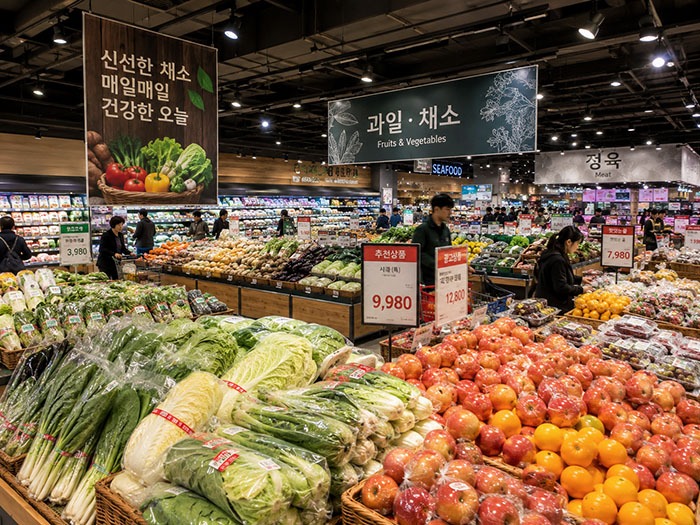
Perhaps the biggest difference is the emphasis on freshness. Korean consumers place tremendous importance on fresh ingredients.
- Vegetables are restocked frequently.
- Seafood is often sold incredibly fresh.
- Meat sections receive careful attention.
- Seasonal ingredients are prominently displayed.
Many foreigners are surprised by how seriously freshness is treated. In some countries, shoppers may purchase large quantities of frozen or processed foods designed to last weeks.
In Korea, many people shop more frequently and focus on ingredients they will use within a few days. This habit is closely connected to Korean cooking culture.
The Vegetable Section Looks Completely Different
One of the first things foreigners notice is the produce department. Korean supermarkets often dedicate large sections to vegetables used in traditional Korean cuisine.
Green onions, garlic, napa cabbage, perilla leaves, Korean radishes, mushrooms, and various leafy greens occupy significant space.
Visitors may recognize only a small portion of the available produce. For Koreans, these ingredients are daily essentials. For foreigners, the variety can be fascinating. Many newcomers realize they are seeing vegetables they have never encountered before.
Kimchi Is Not Just One Product
Many foreigners arrive believing kimchi is a single dish. The supermarket quickly proves otherwise. Entire sections may be devoted to kimchi.
- Different regions produce different styles.
- Different ingredients create different flavors.
- Some are spicy.
- Others are mild.
- Some are aged.
- Others are freshly prepared.
Many visitors are amazed by the sheer number of choices. The variety reflects kimchi’s importance within Korean food culture.
Prepared Foods Are Extremely Popular
Korean marts often offer extensive prepared food sections. Customers can purchase ready-made side dishes, soups, marinated meats, kimbap, salads, and complete meals. Busy office workers, students, and families frequently take advantage of these options.
Many foreigners appreciate the convenience. The quality also tends to exceed expectations. Prepared food in Korean supermarkets often feels closer to restaurant quality than many visitors anticipate.
Seafood Plays a Larger Role
In many Western supermarkets, seafood occupies a relatively small area. Korean marts often dedicate substantial space to fish and seafood products.
Fresh fish, shellfish, squid, octopus, seaweed, and various dried seafood items are common. Foreign visitors are often surprised by the selection.
Seafood remains an important part of everyday Korean cooking, and supermarkets reflect that reality. The variety can be overwhelming for people unfamiliar with Korean cuisine.
Instant Foods Are Everywhere
Foreigners are often shocked by the size of the instant noodle section. Entire aisles may be dedicated to ramen.
- Different brands.
- Different spice levels.
- Different cooking styles.
- Different regional flavors.
What surprises visitors most is how seriously Koreans take instant noodles. Ramen is not viewed merely as emergency food. Many people genuinely enjoy it as part of their regular diet. The selection reflects its popularity.
Seasonal Products Receive Special Attention
Korean shopping habits change dramatically throughout the year. Seasonal fruits become major attractions.
Holiday gift sets appear during important celebrations. Special ingredients become available only during certain months.
Supermarkets adapt quickly to seasonal demand. Visitors who return during different times of the year often notice how much inventory changes. This seasonal approach creates a shopping experience that feels more connected to the calendar.
Smaller Living Spaces Influence Shopping Habits
One reason Korean supermarkets differ from many foreign supermarkets is housing. Many Koreans live in apartments with relatively limited storage space. As a result, shoppers often buy smaller quantities more frequently.
Large warehouse-style purchases are less common than in countries where people have larger homes and garages. Many foreigners notice that package sizes can be smaller than expected. The shopping habits reflect everyday living conditions.
Food Culture Shapes Everything
Perhaps the most important difference is that Korean supermarkets are designed around Korean eating habits. Many meals include multiple side dishes. Fresh ingredients are used frequently.
Families often prepare food daily rather than cooking large batches for an entire week. Because of this, supermarkets prioritize ingredients that support this style of eating.
Visitors quickly realize that grocery stores provide insight into how people actually live.
The Speed of Shopping Is Surprising
- Korean shoppers often move quickly.
- People know exactly what they need.
- Checkout processes are efficient.
- Self-service technology continues expanding.
- Digital payment methods are widely used.
The overall experience reflects Korea’s broader culture of efficiency. Visitors from slower-paced countries frequently notice this difference immediately.
Unexpected Products Fascinate Foreigners
Many foreigners enjoy simply exploring the aisles.
- Unique beverages.
- Seaweed snacks.
- Rice cakes.
- Fermented products.
- Traditional teas.
- Korean sauces.
- Regional specialties.
The experience feels almost like visiting a cultural exhibition. Every shelf offers clues about local tastes and traditions. For travelers interested in Korean culture, supermarkets can be just as educational as museums.
Why Foreigners End Up Loving Korean Marts
Initially, Korean supermarkets can feel confusing.
- The products are unfamiliar.
- Labels may be difficult to read.
- Ingredients may be completely new.
Yet after spending time in Korea, many foreigners begin enjoying grocery shopping. The stores become a gateway to understanding everyday life.
Unlike tourist attractions, supermarkets show how ordinary Koreans actually live, cook, and eat. That authenticity often becomes one of the most memorable parts of living in Korea.
Final Thoughts
The biggest difference between Korean and foreign marts is not simply the products on the shelves. It is the culture behind them.
Korean supermarkets reflect a society that values freshness, convenience, seasonal ingredients, efficient service, and food as an important part of daily life. For many foreigners, a visit to a Korean mart begins as a routine shopping trip. It quickly becomes a fascinating lesson in Korean culture.
If you truly want to understand how people live in Korea, skip the tourist attractions for an hour and spend time exploring a local supermarket. You may learn more than you expect.