
Meeting the Korean Parents
What You Must Know to Survive
For many foreigners dating a Korean partner, there comes a moment that feels more intimidating than the first date, more stressful than meeting friends, and sometimes even more nerve wracking than discussing marriage.
Meeting the parents.
If you grew up in a country where meeting a boyfriend’s or girlfriend’s parents is a casual step, the Korean experience may surprise you. In Korea, introducing a romantic partner to parents often carries much more significance. While modern Korean society has become increasingly open and individualistic, family remains an important part of life and relationships.
As someone who has watched countless international couples navigate this experience, I can confidently say that understanding Korean family culture beforehand can make the difference between a memorable success and an awkward disaster.
Why Meeting the Parents Matters So Much in Korea
In many Western countries, parents may view dating as a private matter between two adults. In Korea, family involvement tends to be stronger.
When a Korean introduces a partner to their parents, the family often assumes the relationship is becoming serious. This does not necessarily mean marriage is around the corner, but it usually suggests that the relationship has long term potential.
For this reason, Korean parents often pay close attention during the first meeting. They are not simply evaluating whether you are polite. They are also trying to understand your character, values, intentions, and future plans.
This can feel overwhelming to foreigners, but it is usually not meant to be intimidating. Most parents simply want reassurance that their son or daughter is with someone trustworthy.
The First Impression Is Extremely Important
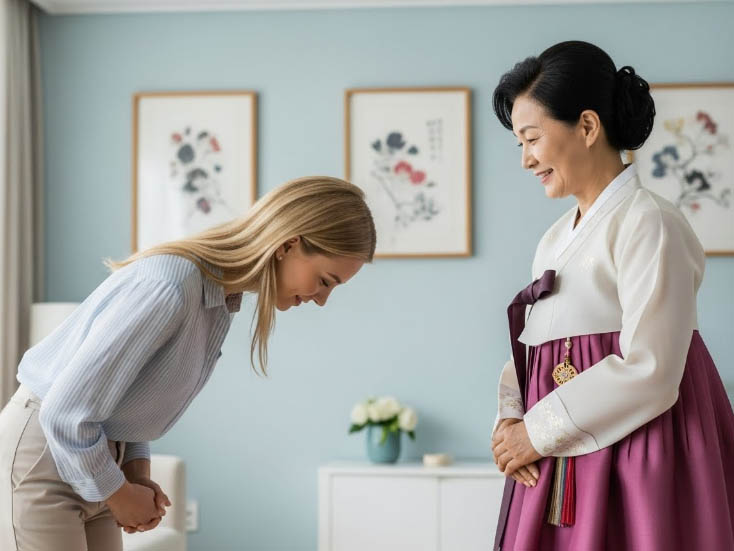
Korea places a strong emphasis on first impressions. The first few minutes can shape how parents view you for months or even years. Dress neatly and conservatively. You do not need expensive clothing, but avoid outfits that appear too casual, revealing, or flashy.
Arrive on time. In Korean culture, punctuality is often interpreted as a sign of respect. When greeting parents, stand up straight, smile naturally, and introduce yourself politely. A slight bow is always appreciated.
Even if your Korean language skills are limited, making an effort to say a few basic Korean phrases can leave a surprisingly positive impression. Parents usually understand that foreigners are still learning. What matters most is the effort.
Never Arrive Empty Handed
One of the biggest mistakes foreigners make is arriving without a gift. In Korea, bringing a small gift is considered basic courtesy when visiting someone’s home for the first time.
You do not need anything extravagant. Popular choices include fruit baskets, quality desserts, tea, coffee, health products, or something unique from your home country. The value of the gift is far less important than the thought behind it. A simple gesture demonstrates respect and appreciation. Many Korean parents will remember this kindness long after the visit is over.
Be Prepared for Personal Questions
Many foreigners are shocked by how direct Korean parents can be. You may be asked about your age, job, salary, education, family background, future plans, or even marriage intentions.
In some cultures, these questions might seem intrusive. In Korea, they are often viewed as practical and sincere. Parents are not necessarily trying to judge you harshly. They simply want to understand who you are and whether you can provide stability and happiness for their child.
Try not to become defensive. Answer honestly while maintaining a friendly attitude. A calm and respectful response often matters more than the actual answer.
Dining Etiquette Can Matter
Many first meetings happen over a meal. This is where cultural differences become especially visible. Wait until the elders begin eating before starting your meal. Avoid sticking chopsticks upright into a bowl of rice.
Accept food graciously if it is offered. Show appreciation for the meal. These small actions communicate respect without requiring advanced cultural knowledge. You do not need to behave perfectly. Most Korean parents understand that foreigners come from different backgrounds. What they appreciate is genuine effort.
Parents May Be Evaluating More Than You Realize
Many foreigners focus entirely on making a good impression themselves. However, Korean parents are often paying attention to how their own child behaves around you as well. They observe the dynamic between the couple. Are you respectful toward each other? Do you communicate well? Does their child seem happy and comfortable?
These observations often influence parental opinions more than individual answers to specific questions. A healthy and natural interaction can be extremely reassuring.
Do Not Panic if They Seem Reserved
One common misunderstanding involves Korean parents appearing quiet or serious. Foreigners sometimes assume this means they are being rejected. In reality, many Korean parents are simply cautious during first meetings.
They may need time to become comfortable. Unlike cultures where warmth is expressed immediately, Korean parents often reveal their affection gradually.
A reserved first meeting does not necessarily indicate disapproval. Some of the strongest relationships between foreign partners and Korean families begin with surprisingly formal introductions.
Language Is Less Important Than Attitude
Many people worry that they cannot speak Korean well enough. While language certainly helps, attitude matters much more. Parents often remember kindness, humility, respect, and sincerity long after they forget specific conversations.
Even if communication requires translation through your partner, a positive attitude can create a lasting impression. Many Korean parents become remarkably supportive once they feel that their child’s partner genuinely cares about the family relationship.
What Korean Parents Usually Want Most
Foreigners often imagine Korean parents are looking for perfection. In reality, most parents are looking for something much simpler.
They want someone who respects their child. They want someone responsible. They want someone trustworthy. And most importantly, they want to see that their son or daughter is happy. Everything else is secondary.
Final Thoughts
Meeting Korean parents can feel intimidating, especially for foreigners unfamiliar with Korean family culture. However, the experience becomes much easier once you understand the expectations behind it.
Be respectful. Bring a thoughtful gift. Show genuine interest in the family. Stay calm when personal questions arise. And remember that Korean parents are usually not searching for flaws. They are searching for reassurance.
If you approach the meeting with sincerity and respect, you will already be doing far better than you think. In many cases, surviving the first meeting is not nearly as difficult as people imagine. The real secret is understanding that, in Korea, family relationships are often built slowly, patiently, and through consistent actions rather than perfect first impressions.