
The Surprising Truth: Koreans Love Meat but Don’t Eat It Every Day
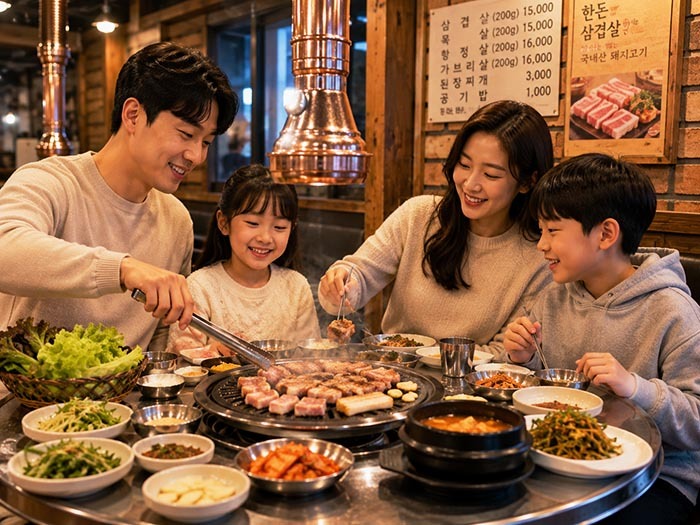
If you have ever watched a Korean drama, scrolled through TikTok, or stepped foot into a trendy neighborhood in any major global city, you have probably seen the glorious spectacle that is Korean BBQ. Sizzling thick cuts of pork belly, perfectly marbled beef grilling right in front of you, and an endless parade of small side dishes.
It looks like an absolute meat lover’s paradise. Given how central these juicy, grilled meats are to South Korea’s global culinary image, it is easy to assume that locals here are throwing down massive amounts of steak, pork, and chicken for breakfast, lunch, and dinner every single day.
But if you actually live here and share everyday meals with locals, you will quickly find out that this is a bit of a cultural illusion. The surprising truth is that while South Koreans absolutely adore meat, they do not actually eat it in the way Westerners might think, and they certainly do not eat heavy meat dishes every single day.
The real, day to day Korean diet is beautifully balanced, deeply rooted in history, and operates on a completely different philosophy than a standard Western dinner plate.
The K-BBQ Illusion Versus Everyday Reality
To understand why this misconception exists, you have to look at what Korean BBQ actually represents in local culture. For Koreans, gathering around a grill to eat large quantities of meat is rarely just a casual Tuesday night dinner at home. It is a social event. It is what you do for a company dinner with colleagues, a major celebration with family, or a high energy night out with close friends.
When you see those tables packed with meat, you are looking at a celebratory feast. In daily life, the average household is not firing up a grill in the middle of their living room. In fact, if you walk into a traditional Korean home on a regular weeknight, the spread looks entirely different.
You will find a bowl of rice, a comforting stew or soup, and a variety of vegetable based side dishes known as banchan. Meat is often present, but it acts more like a subtle accent or a supporting actor rather than the main star of the show.
The Magic of Banchan and Balanced Portions
In many Western food cultures, a meal is usually defined by a massive hunk of protein like a steak, a chicken breast, or a pork chop taking up half the plate, accompanied by a small side of starch and vegetables. In Korea, the anatomy of a meal is completely flipped.
The foundation of everyday eating is balance and variety. A typical home meal relies on the concept of babsang, which translates to a dining table centered around rice. Alongside that rice, you will have multiple banchan dishes. These include fermented kimchi, seasoned spinach, marinated bean sprouts, braised tofu, and dried seaweed.
When meat does make an appearance on a regular workday, it is usually thinly sliced and cooked with an abundance of vegetables. Think of dishes like bulgogi, which is marinated beef, or jeyuk bokkeum, which is spicy stir fried pork. In these dishes, the meat is tossed with onions, green scallions, carrots, and mushrooms.
You are not eating a solid pound of pure protein. Instead, you are taking small bites of savory meat wrapped in fresh lettuce or perilla leaves, alternating with spoonfuls of vegetable soup and fermented sides. This style of eating ensures that even though you are enjoying the flavor of meat, your actual intake is heavily balanced out by plant based nutrients and fiber.
History and the Deeply Rooted Rice Culture
This unique approach to food is not just a modern health trend. It is woven into the historic fabric of the country. Historically, South Korea was an agrarian society where rice, grains, and seasonal vegetables were the absolute staples.
Livestock like cattle were incredibly precious assets used for farming and plowing fields, meaning they were far too valuable to be slaughtered for regular meals. Beef was historically reserved for the royal court or special ancestral rituals.
Pork and chicken became more accessible over time, but for generations, meat remained a luxury. Because of this, Korean culinary wisdom evolved to maximize a small amount of meat to feed an entire family. This is why soups and stews are so legendary in this culture.
By simmering bones, small scraps of meat, and a mountain of radishes, garlic, and greens for hours, you get a deeply rich, nutrient dense broth like seolleongtang, which is ox bone soup, or miyeok-guk, which is seaweed soup with beef. Even today, this historical mindset influences how people eat at home. A single container of pork might be stretched across three different stews over the course of a week, rather than being consumed all at once in a single sitting.
The Role of Seafood and Tofu in the Protein Rotation
Another reason why locals do not consume red meat daily is that the Korean peninsula is surrounded by water on three sides. Seafood is an massive part of the daily protein rotation. On days when a household skips pork or beef, they are highly likely to enjoy grilled mackerel, braised cutlassfish, or a spicy seafood stew packed with clams, shrimp, and squid.
Tofu is another absolute staple that frequently replaces meat on the daily table. It is tossed into everyday soybean paste stews like doenjang-jjigae, braised in spicy soy sauce, or eaten fresh with a splash of seasoned sesame oil. Because seafood, tofu, and eggs are so readily available and deeply integrated into traditional home cooking, the craving for heavy meats is naturally satisfied by lighter, cleaner sources of protein throughout the working week.
The Modern Shift and the Rise of Delivery Culture
Now, it would be inaccurate to say that modern lifestyles have not changed things. Over the last few decades, as South Korea transformed into an economic powerhouse, meat consumption has undeniably skyrocketed. In fact, recent agricultural data shows that per capita meat consumption has actually surpassed rice consumption for the first time in modern history.
Younger generations love their fried chicken, and the country’s legendary twenty four hour food delivery infrastructure makes ordering a late night box of crispy chicken or a bowl of pork leg extremely easy. Office workers frequently eat out for lunch, opting for quick, meat centric meals like pork cutlets or beef short ribs soup to get through a stressful workday.
However, there is a fascinating cultural rubber band effect at play here. When a Korean spends a weekend indulging in heavy delivery chicken, greasy pork belly, and alcohol during a night out, they will almost always intentionally pivot back to clean eating during the week.
It is incredibly common to hear locals say they feel heavy or bloated after too many consecutive meat meals. To reset their systems, they will actively seek out traditional home style restaurants that serve simple rice, wild mountain herbs, and clear soups to detoxify their bodies.
A Philosophy of Moderation and Longevity
Ultimately, the surprising reality of how people eat here boils down to a distinct cultural philosophy regarding health and longevity. Food is genuinely viewed as medicine in South Korean culture. There is a deep structural understanding that while rich, fatty meats taste incredible, they are meant to be enjoyed in moderation and always accompanied by elements that aid digestion, like fermented kimchi and fresh greens.
So, while the world will continue to be mesmerized by the beautiful, smoky theater of Korean BBQ, remember that the true secret to the local diet lies in the quiet, colorful balance of the everyday home table. It is a food culture that knows exactly how to celebrate with a magnificent meat feast, but deeply understands the value of returning to its green, balanced roots the very next morning.