
The Real Cost of Raising a Child in South Korea
To many outsiders, South Korea looks like an excellent place to raise children. The streets are clean, crime rates are low, public transportation is efficient, and schools are everywhere.
Families can walk safely at night, children play freely in apartment complexes, and healthcare is modern and affordable compared to many Western countries. But once people actually begin raising children in Korea, they quickly discover a very different reality hidden beneath the surface.
The real cost of raising a child in South Korea is not only financial. It is emotional, social, psychological, and deeply tied to Korea’s competitive culture. Many Korean parents quietly admit that having a child today can completely change the direction of their entire lives. For foreigners living in Korea, this often becomes one of the biggest culture shocks of all.
Housing Becomes a Parenting Issue in Korea
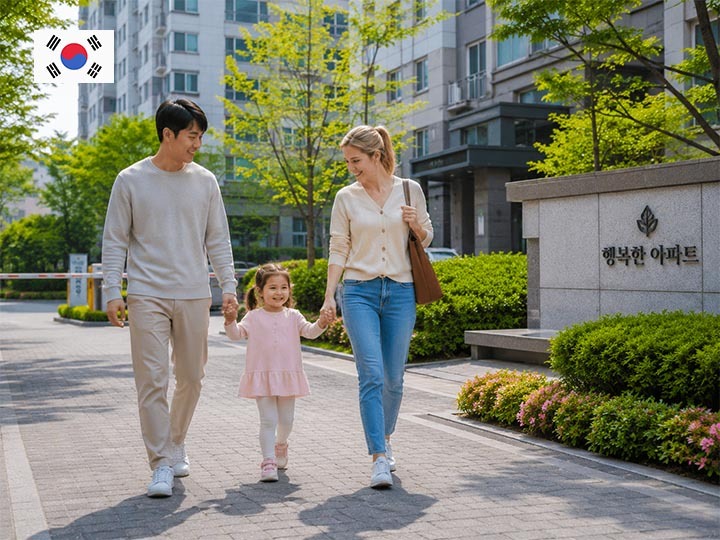
In many countries, people choose homes based on convenience or budget. In Korea, parents often choose housing based on education.
This changes everything. Many families desperately try to move into neighborhoods known for strong schools, better private academies, and safer educational environments. In Seoul especially, apartment prices in popular education districts can become unbelievably expensive.
Some Korean parents even begin planning school districts before their child is born. Foreign families are often surprised by how much pressure exists around location. A small apartment in a famous school district may cost significantly more than a larger home elsewhere.
This creates long-term financial stress for many young couples. Mortgage payments, jeonse deposits, rent increases, and education expenses all begin stacking together at the same time. For many Koreans in their 20s and 30s, housing alone already feels overwhelming before children even enter the picture.
Private Education Quietly Consumes Family Income
One of the biggest hidden costs of Korean parenting is private education. Foreigners who first move to Korea often hear about hagwons casually, almost as if they are optional after-school activities. But once they become parents, they realize hagwons are deeply connected to Korean society itself.
Children may attend English academies, math institutes, coding schools, piano lessons, taekwondo classes, essay writing programs, science academies, and private tutoring sessions all within the same week.
And many begin extremely young. Some Korean children attend English academies before elementary school. Others spend evenings moving from one academy to another until late at night. What shocks many foreign parents is not just the cost, but how normal it feels to local families.
Parents who avoid private education sometimes fear their children will fall behind socially or academically. Even parents who personally dislike the system often participate because everyone around them does the same. For middle-class households, education expenses can quietly become the largest monthly cost after housing.
Korean Parents Sacrifice Enormous Amounts for Their Children
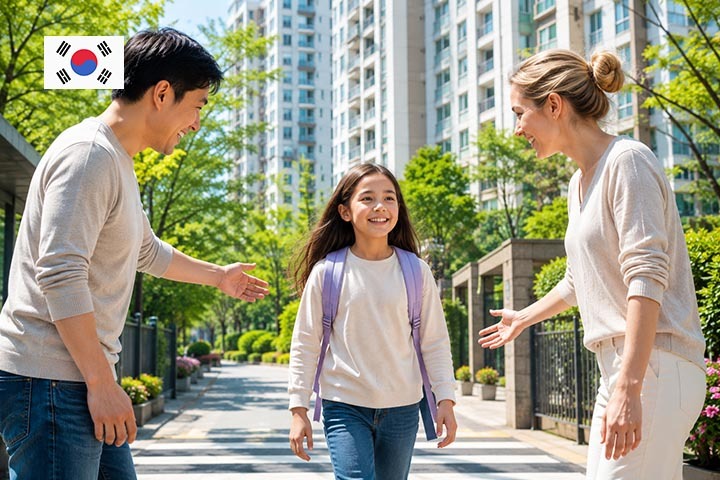
One thing foreigners consistently notice in Korea is how much parents sacrifice for their children. Many Korean parents reduce personal spending, skip vacations, delay retirement savings, and work longer hours simply to support education costs.
In Korean culture, parenting is often treated as a lifelong responsibility rather than a temporary phase. Mothers especially carry a tremendous amount of invisible labor. Managing school schedules, preparing meals, monitoring homework, driving children between academies, communicating with teachers, and emotionally supporting children through constant academic pressure becomes part of daily life.
Foreign mothers married into Korean families sometimes say they underestimated how education-focused parenting in Korea truly is. Some describe it as less of a parenting style and more like managing a full-time project.
Government Support Exists, But Pressure Remains
South Korea has expanded childcare support significantly in recent years. Parents now receive various government benefits including childcare subsidies, parental leave programs, and monthly support payments for young children. Public daycare centers are also more affordable than many foreigners expect.
However, many Korean parents say these benefits only reduce the beginning stages of financial pressure. The real burden grows later. As children become older, private education costs increase rapidly. Families begin competing for better schools, stronger English skills, and better academic performance.
Government support helps families survive early childcare costs, but it does not eliminate the deeper social pressure surrounding education and success. This is one reason why many Koreans still hesitate to have children despite government incentives.
Social Comparison Makes Parenting Even More Expensive
Another hidden reality foreign families notice in Korea is the intense culture of comparison. Parents compare schools, apartments, children’s English abilities, academy schedules, and even lunchboxes or birthday parties.
Social media has made this even stronger. Many parents feel pressured to provide experiences and opportunities similar to those of other families around them. Over time, ordinary parenting slowly becomes competitive parenting.
Foreign parents sometimes find this emotionally exhausting. Simple childhood activities that feel casual elsewhere can become status-driven in Korea. International camps, premium academies, English-speaking kindergartens, and branded educational programs often become symbols of parental dedication. The pressure is rarely openly discussed, but almost everyone feels it.

Why Korea’s Birth Rate Continues to Fall
South Korea now has one of the lowest birth rates in the world, and many young adults openly admit financial anxiety is a major reason. Young Koreans increasingly believe they cannot realistically afford both personal stability and children at the same time.
A stable apartment, childcare, education costs, and work-life balance often feel impossible to achieve together. Many couples delay marriage, postpone having children, or decide not to become parents at all.
Foreigners living in Korea are often surprised by this contradiction. Korea is incredibly safe and child-friendly in many ways, yet raising children here can feel emotionally and financially exhausting for ordinary families. The system rewards intense parental investment, but that investment comes at a very high cost.
Yet Many Families Still Believe Korea Is a Good Place to Raise Children
Despite all the pressure, many Korean parents still strongly believe in the value of family. Children are deeply loved and heavily supported by parents, grandparents, and relatives. Korea’s strong family culture creates close emotional bonds that many foreigners admire.
The safety, convenience, healthcare system, and educational opportunities available in Korea are still considered major advantages by many multicultural families living here. Foreign parents often say Korea can be both inspiring and overwhelming at the same time.
The real cost of raising a child in South Korea is not simply measured in money. It is measured in time, sacrifice, emotional energy, and the constant pressure to help children succeed in one of the world’s most competitive societies. And yet, for many Korean families, that sacrifice is still considered worth making.