The Amazing Mystery Foreigners Notice in Korea
One of the biggest surprises for many foreigners visiting Korea is how slim Korean women seem to stay despite eating what looks like a huge amount of food.

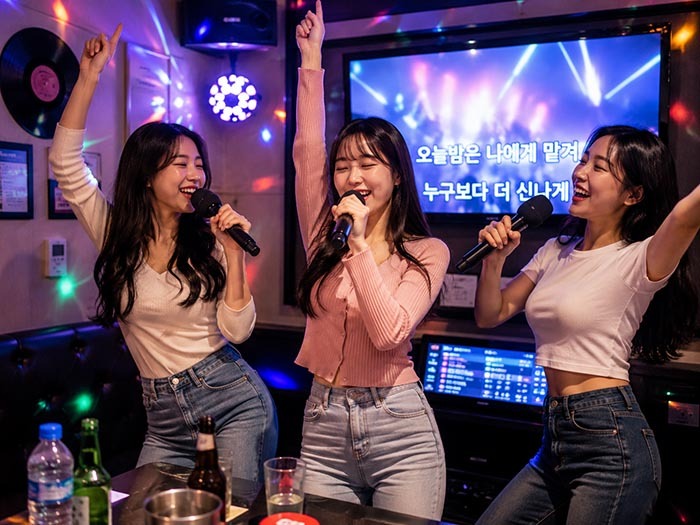
When Korean women get together with friends, a typical outing often looks like this. They start by enjoying a Korean barbecue feast, eating plenty of pork belly until they are completely full. Then they order a bowl of cold noodles as dessert. After leaving the restaurant, they stop for ice cream. Later, they head to a karaoke room, where they enjoy a few beers while singing and laughing for hours.
After seeing this, many visitors ask the same question.
“How can they eat so much and still stay so slim?”
Even more surprising, it is genuinely difficult to spot severely overweight people while walking around most Korean cities. Compared with many other developed countries, obesity is much less common in everyday life. In fact, Korea has one of the lowest obesity rates among OECD countries.
So what is the secret?
How do Korean women eat so much, enjoy their food without guilt, and still manage to maintain a healthy body weight?
The answer is far more interesting than most people expect. It is not about miracle diets or magical genetics. It comes from a unique combination of everyday habits, walking culture, meal patterns, food choices, and lifestyle that many visitors only begin to notice after spending time in Korea.
One Big Meal Does Not Tell the Whole Story
Visitors usually remember the exciting dinner because it is the most memorable part of the day. What they often do not see is everything that happens before and after that meal.
Many Koreans eat relatively simple breakfasts, practical lunches, and balanced home cooked meals during the week. Looking at only one social gathering gives an incomplete picture of overall eating habits.
Walking Is Built Into Everyday Life
One of the biggest lifestyle differences is how much walking naturally becomes part of daily routines. Many people walk to subway stations, transfer between train lines, climb stairs, and continue walking after reaching their destination.
Without thinking about exercise, it is common for people living in Korean cities to accumulate thousands of steps simply by going to work, school, or meeting friends.
Public Transportation Encourages Movement
Owning a car is not essential for daily life in many Korean cities. Reliable buses and subways mean that walking becomes part of almost every journey.
Instead of driving directly from one parking lot to another, people naturally move throughout the day. Those small amounts of activity add up over time and contribute to overall energy expenditure.
Meals Often Include Many Vegetable Side Dishes
Although Korean barbecue receives most of the attention, it is rarely eaten by itself. A typical meal includes lettuce, perilla leaves, kimchi, seasoned vegetables, soups, mushrooms, and numerous side dishes.
These foods add variety, fiber, and satisfaction without relying only on large portions of meat. The overall balance of the meal often differs from what many visitors expect.
Portion Sizes Are Not Always As Large As They Appear
Sharing food is a central part of Korean dining culture. Multiple dishes cover the table, creating the impression of an enormous feast.
In reality, many of those dishes are shared among several people. Each individual may eat less than a visitor initially assumes while still enjoying a wide variety of flavors.
Eating Is Often Social Rather Than Constant
Many Koreans genuinely enjoy gathering around food with friends and family. Special dinners are treated as opportunities to celebrate, relax, and spend time together.
That does not necessarily mean every meal is equally large. Social occasions may include generous portions, while ordinary weekday meals are often much simpler.
Convenience Does Not Always Mean Fast Food
Convenience stores are everywhere in Korea, but they also offer fresh fruit, salads, yogurt, rice meals, boiled eggs, and other lighter options alongside snacks.
Many busy workers and students choose practical meals that are relatively balanced instead of relying exclusively on highly processed fast food.
Beauty Standards Also Influence Lifestyle Choices
Physical appearance receives considerable attention in Korean society. Many people actively monitor their eating habits, stay physically active, and adjust their routines if they notice gradual weight gain.
This does not mean everyone follows strict diets. It simply means that maintaining a healthy appearance is often viewed as part of everyday self care.
Obesity Exists but Is Less Visible
Foreign visitors sometimes leave with the impression that obesity does not exist in Korea. That would not be accurate.
Like every developed country, South Korea has people with different body types and health challenges. However, compared with many other high income countries, the share of adults living with obesity has historically been lower, although it has gradually increased in recent years as lifestyles continue changing.
There Is No Single Secret
People often search for one explanation such as genetics, kimchi, or a particular ingredient. In reality, no single factor explains why many Koreans maintain a healthy weight.
Daily walking, balanced meals, active commuting, shared dining culture, regular movement, and long established eating habits all contribute. The overall lifestyle matters much more than any individual food.
The Real Lesson Goes Beyond Weight
Perhaps the most interesting part of Korean food culture is that eating is rarely treated as something to fear. Friends gather around a barbecue table, enjoy dessert, laugh together at karaoke, and create lasting memories without constantly discussing calories.
At the same time, many people naturally return to their regular routines the next day. They walk to work, eat balanced meals, remain active, and continue the habits that support their overall health.
That is why the mystery begins to disappear after spending more time in Korea. Visitors realize that the answer is not found in one dinner or one famous food. It is found in thousands of small decisions repeated every day. Those ordinary habits shape a lifestyle that helps many people maintain their health while still enjoying some of the world’s most enjoyable food culture.