
Success Stories of Multicultural Families in Korea
Korea’s recent decades have seen a real social shift. International marriages and multicultural families used to be rare enough that they stood out; today, one in ten marriages in Korea involves a foreign spouse.
That share has been steadily increasing and, with it, the number of mixed-identity households thriving across the country. For many English-speaking readers expats, visitors, or prospective partners knowing how multicultural families find success in Korea matters just as much as knowing the statistics.
I live here and meet families every week from couples who met in university to parents raising bilingual children, to women who have built careers and identities in a completely different society.
Their stories show both how ordinary life can become extraordinary, and how people turn cultural differences into strengths. Let’s look at some of the ways these families have found meaning, joy, and success not just surviving, but thriving.
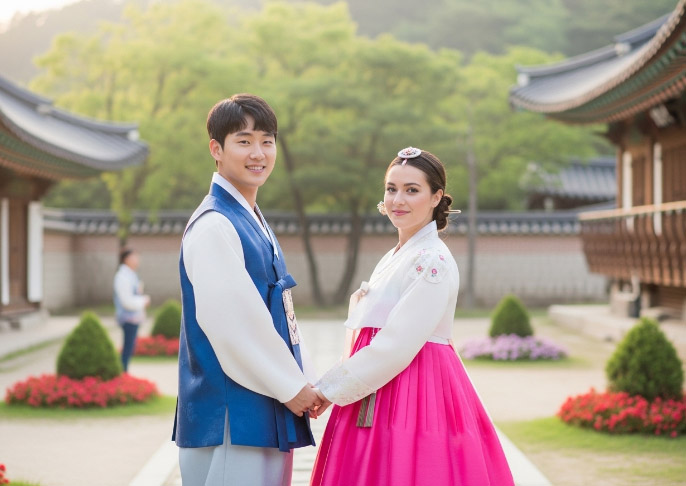
Finding Love, Making Home
One of the most relatable success stories begins with how couples meet and choose to build a life here. Many multicultural partnerships start just like traditional ones in shared social life, at work or school, through friends, or even online.
Expat forums are full of stories where two people found each other in everyday settings a university classroom, a language exchange event, or even a regular night out and later married with deep mutual respect.
These couples speak about cultural curiosity and growing together, learning each other’s languages, traditions, and daily rhythms. For many of these couples, early challenges from language barriers to family expectations eventually become shared jokes or cherished memories.
Over time, they describe feeling less like outsiders and more like members of a family and community. Those small, everyday successes like hosting holidays together, attending parent-teacher conferences, or navigating Korean bureaucracy become symbols of belonging.
Raising Bicultural Children Who Bridge Worlds
Children of multicultural families are among the most visible symbols of success. Recent data on multicultural households show that more than half of marriage migrants and naturalized citizens have lived in Korea for over 15 years, and many children of these families are now of school and college age.
While integration can be challenging especially where language and school adaptation are concerned the success stories often come from persistence. Families work closely with multicultural education programs and community networks to help their kids thrive.
Many children grow up fluent in both Korean and their non-Korean heritage language, giving them a cultural empathy deeper than most monocultural peers. In interviews and community events, parents describe how their kids become bilingual bridges comfortable in Korean society but proud of their other cultural roots.
Schools and multicultural support organizations often celebrate these families’ progress, and local communities increasingly recognise the value of raising globally competent children who can move confidently between cultures.
Personal Growth Beyond Borders
Success isn’t only about family harmony many individuals from multicultural households have turned their bicultural identities into strengths in the professional and civic arena. A number of marriage-migrant women, for example, have become cultural ambassadors, translators, or educators precisely because they bridged languages and cultures in their own lives.
One featured story from a major newspaper described a Chinese-born woman who came to Korea decades ago after marriage, devoted herself to mastering Korean language and culture, and later became a community leader teaching Korean to new arrivals, advocating for multicultural understanding, and serving as a role model for other immigrant women.
People like her are often described by friends and colleagues not simply as “successful immigrants,” but as cultural connectors — people who help both Korean and foreign residents understand each other better.
Community Support A Key Part of Success
Success rarely happens alone. Across Korea, multicultural family support centres, NGOs, and local government initiatives play a big role. These programs offer career training, language courses, and social activities that help families feel rooted. In many towns, multicultural family networks exist where parents share tips, help each other navigate school systems, and celebrate cultural traditions together.
It’s common to find community centres where parents and children are learning Korean together, attending cultural festivals, or joining support groups. These spaces become touchpoints where challenges are met collectively — turning potential isolation into connection.
Shared Celebrations and Everyday Successes
Sometimes success isn’t a headline story it’s a series of small moments. Families at multicultural weddings, neighbourhoods where kids play together without noticing any difference, parents greeting teachers confidently in Korean, or in-laws welcoming a foreign daughter into the household with genuine affection those are the scenes many multicultural couples now describe in their blogs and conversations.
It’s also worth noting that government support has grown. Marriage numbers rebounded after pandemic lows and even multicultural births began rising again recently, indicating renewed stability and support in the family structure.
These trends reflect not only statistical numbers, but changing attitudes an increasing recognition that multicultural families are not outsiders, but part of Korea’s evolving social tapestry.
Balancing Challenges With Resilience
Of course, success doesn’t mean perfection. Like anywhere in the world, families face discrimination, language challenges, and cultural missteps. Surveys show that some members of multicultural families still experience bias and social exclusion.
What makes the success stories inspirational, though, is how these families navigate these challenges with resilience. They learn, adapt, and, over time, help reshape the society around them in workplaces, schools, and communities. Their contributions increasingly go beyond personal narratives, influencing multicultural policy, community outreach programs, and public perception.
Final Thoughts: What “Success” Really Means
When we talk about successful multicultural families in Korea, it’s not just about stability or economic comfort it’s about integration without erasure. These families often become bridges that knit global experiences into Korean daily life.
They raise children who comfortably carry two cultures, they create support networks that assist new families, and they change perceptions about what “Korean family” looks like. In a society that is rapidly diversifying, success stories remind us that love, mutual respect, and shared effort can turn any cultural difference into a source of strength and, eventually, belonging.