
Study in South Korea for Russian Students
Just a decade ago, South Korea was not the first country that came to mind when Russian students considered studying abroad. Today, that picture has changed dramatically. More students from Moscow, Saint Petersburg, Vladivostok, Novosibirsk, and many other regions are looking toward Korea for quality education, affordable tuition, and exciting career opportunities.
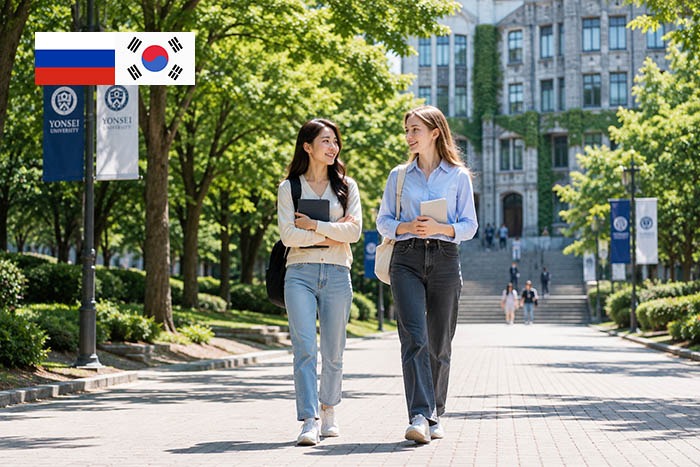
Living in Korea, I have personally met students from Russia who originally planned to stay for only one semester. After experiencing Korean campus life, making international friends, and discovering the country’s safe and modern lifestyle, many decided to complete their entire degree here. Korea has become much more than a study destination. For many, it becomes a second home.
Why South Korea Is Becoming So Popular
South Korea has built a global reputation through technology, innovation, entertainment, and education. Universities continue to improve their international programs while offering modern campuses equipped with advanced research facilities.
For Russian students, another advantage is geographic proximity. Compared with studying in North America or Western Europe, flights between Russia and Korea are generally shorter and often more convenient. This makes visiting family or returning home during holidays much easier.
Korean universities also continue expanding English taught degree programs, allowing international students to earn respected degrees even before becoming fluent in Korean.
Admission Requirements for Russian Students
Applying to a Korean university is often simpler than many students expect.
- Most universities require a completed application form, academic transcripts, a valid passport, recommendation letters depending on the program, and proof of language ability.
- If you apply for a Korean language program, you usually do not need advanced Korean before arrival.
- For English taught degree programs, universities commonly request internationally recognized English proficiency scores.
- Graduate programs may have additional requirements depending on the field of study.
Preparing your documents several months in advance makes the admission process much smoother.
Can You Study in English?
One of the biggest misconceptions is that international students must already speak fluent Korean.
In reality, many universities now offer bachelor’s, master’s, and doctoral programs entirely in English. Business, engineering, computer science, international relations, economics, and global studies are among the most common English language programs.
However, learning Korean remains one of the smartest investments you can make. Even basic language skills help with daily life, part time work, internships, and building friendships with Korean classmates.
Many Russian students discover that learning Korean becomes much easier once they are surrounded by the language every day.
Scholarships That Make Studying Affordable
Financial support is one of Korea’s greatest strengths. The Korean Government Scholarship Program and numerous university scholarships help international students reduce tuition costs or even study almost free of charge.
Many universities award scholarships based on academic performance after enrollment, encouraging students to maintain strong grades throughout their studies. Some Russian students receive tuition reductions from their very first semester, while others earn larger scholarships after demonstrating academic excellence.
Living Costs in Korea
Compared with many major cities in Europe, student life in Korea can be surprisingly affordable. Monthly expenses depend on your lifestyle and where you live. Seoul is naturally more expensive than regional cities such as Daejeon, Daegu, Gwangju, or Busan.
University dormitories are usually the most economical housing option, especially for new international students who are still adjusting to life abroad. Public transportation is reliable, healthcare is excellent, and students often enjoy affordable meals at university cafeterias.
Can Russian Students Work Part Time?
Yes, international students are generally allowed to work part time after meeting the required visa conditions and obtaining the necessary permission. Many students find jobs at cafes, restaurants, convenience stores, language centers, research laboratories, or university offices.
Although part time work helps cover living expenses, balancing employment with academic responsibilities remains extremely important. Students who focus on maintaining good grades often have more opportunities for scholarships and future employment.
Student Life Beyond the Classroom
One of the most rewarding parts of studying in Korea happens outside lecture halls. University festivals, cultural exchange programs, volunteer activities, sports clubs, and student organizations provide countless opportunities to meet people from around the world.
International students often become close friends despite coming from completely different cultures. Many Russian students tell me that their favorite memories are not exams or graduation ceremonies but weekend trips, shared meals, and late night conversations with classmates from dozens of different countries.
Safety and Everyday Life
South Korea is widely recognized as one of the safest countries for international students. Public transportation operates efficiently, streets remain active late into the evening, and emergency services are highly reliable.
Naturally, students should still follow basic safety precautions just as they would anywhere else in the world. Most Russian students quickly adapt to Korea’s organized lifestyle and appreciate the cleanliness, convenience, and efficient public services.
Career Opportunities After Graduation
Graduating from a Korean university can open doors far beyond Korea itself. Many international companies value graduates who understand both Korean business culture and international communication.
Students who develop strong Korean language skills often have additional opportunities in technology companies, manufacturing, international trade, logistics, tourism, education, and global marketing.
Some graduates remain in Korea to begin their careers, while others return to Russia with valuable international experience that strengthens their resumes.
Cultural Differences You Should Be Ready For
Every country has its own customs, and Korea is no exception. Class attendance is taken seriously, professors often expect punctuality, and teamwork plays a significant role in many university courses.
Respect for others, polite communication, and responsibility are deeply valued on Korean campuses. Students who approach these cultural differences with curiosity rather than frustration usually adapt much faster and enjoy a far more rewarding experience.
Is South Korea the Right Choice for Russian Students?
If you are searching for an internationally respected education, modern campuses, excellent public transportation, advanced technology, and a safe environment, South Korea deserves serious consideration.
Studying here is not simply about earning a degree. It is about experiencing a different culture, expanding your global perspective, building lifelong friendships, and preparing for an increasingly international career.
Many Russian students arrive expecting only an education. They leave with unforgettable memories, valuable professional skills, greater confidence, and a genuine appreciation for Korean culture that stays with them long after graduation.