School Choices for Asian-Korean Children in Korea
If you’re raising children in South Korea in a mixed-heritage family, one of the most important and sometimes daunting decisions you’ll make is where your child will attend school. Korea’s education system can look very different from what parents from the U.S., Australia, Europe, or Southeast Asia are used to, and that’s especially true when your child’s cultural background and language needs come into play.
In Korea, school choices range from regular public schools to international schools, and there are also unique programs to support multicultural families throughout the transition. Let’s take a grounded look at the options what they mean, who they suit, and some things to consider when making this big decision.
Understanding the Korean Public School System
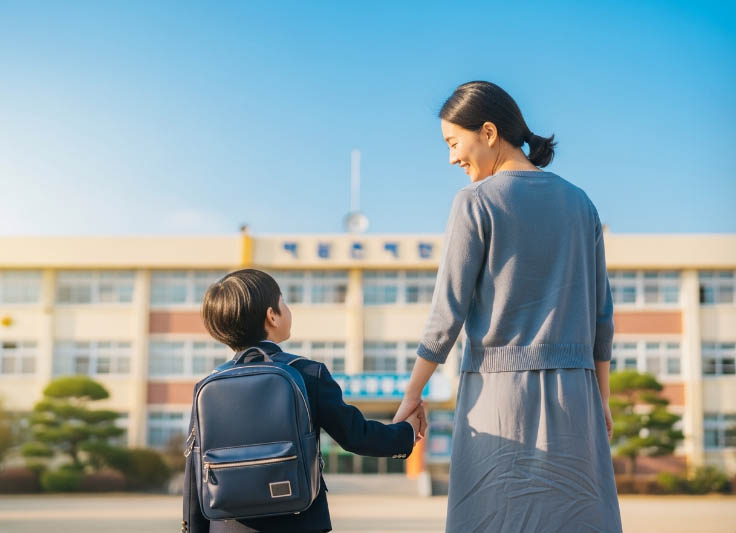
Public schools in Korea are free and widely attended by Korean-raised children and mixed-heritage children alike. They follow a national curriculum structured around three levels: elementary, middle, and high school.
For Asian-Korean children who are growing up here especially those born and raised in Korea public school can be a great option. Many schools now include multicultural education support such as Korean language assistance, cultural sensitivity programs, and dedicated teachers who help students adapt socially and academically.
These programs are part of efforts to make public schools more welcoming to children from diverse backgrounds. That said, public schools are taught primarily in Korean, and school life in Korea tends to be fast-paced with a strong focus on academic achievement.
If your child is proficient or becoming proficient in Korean, this environment can benefit their language development and social integration. Many children also attend supplementary programs like Q-schools (so called hagwons) after school hours to keep up with the curriculum, particularly in subjects like English and math.
One thing to keep in mind: if your child arrived recently without strong Korean language skills, the first few months in a public school may feel intense. Schools may provide extra language classes, but learning Korean well enough to follow every subject still takes time and patience.
International Schools: A Popular Alternative
For families where English or another foreign language is a comfort language, international schools are often the first choice. Korea’s education system does allow international schools, but there are rules about eligibility. Typically, students qualify for international schools in Korea if:
- They are foreign nationals,
- They have lived overseas for at least three years, or
- A parent is a foreign national. These criteria ensure that international schools serve the students they’re designed for: children whose primary education language differs from Korean.
International schools provide curricula in English or other global languages and often follow recognized frameworks such as the International Baccalaureate (IB), American, British, or other national systems. Several established international schools in Korea include:
- Global Christian Foreign School – A co-educational K-12 institution in Seoul offering global preparatory education.
- French School of Seoul – A French curriculum school in Seoul welcoming students from kindergarten through high school.
- Taejon Christian International School – A Western-accredited IB school serving K-12 students.
- Kwangju Foreign School – A U.S.-style program outside Seoul, ideal for families in the southwestern region.
International schools typically come with higher tuition costs than public education, but they offer several benefits for mixed-heritage children: instruction in English or another international language, diverse student bodies, and global academic tracks that can ease transitions between countries or support future university plans abroad.
Specialized Schools and Gifted Programs
In some cases, parents choose specialized or private institutions that focus on advanced learning. Public language-focused schools like Daeil Foreign Language High School offer immersive language programs alongside regular curricula. These options are highly selective and generally taught in Korean, but they can be a strong fit for students with bilingual strengths and ambitious academic goals.
Support for Multicultural Students in Korean Schools
Whether your child attends a public or international school, Korea increasingly recognises the importance of supporting students from multicultural backgrounds. Some school districts have:
- Korean language support classes for newcomers,
- Multicultural counsellors and teachers trained to assist diverse learners,
- Programs promoting cultural awareness and acceptance among students.
These options help children find their footing socially and academically, especially during the first year in a Korean school setting.
How to Choose the Right Path
Choosing a school for your Asian-Korean child depends on several factors:
- Language Foundation: If your child’s Korean is strong or improving rapidly, public school can offer deep integration and local friendships.
- Future Goals: If you’re planning university abroad or frequent moves, an international school structure may offer smoother transitions.
- Cultural Identity: Some parents find value in Korean public education for cultural immersion, while others want a more globally oriented environment.
It’s also common for families to mix approaches attending a public school while using after-school English or global programmes to balance language skills.
Conclusion: Education as a Family Journey
From my perspective living here, school choice isn’t just an academic decision it’s a family decision that shapes social life, language skills, and your child’s sense of belonging.
Korean public schools offer integration and deep cultural connection, while international schools bring global perspectives and multilingual environments. Both have their place, and many families find that understanding each option helps them tailor an educational path that embraces both heritage and future possibilities.