
Korean Skincare for Sensitive Skin Barrier Repair
If you’ve spent any time scrolling through skincare TikTok or Reddit lately, you’ve probably noticed one phrase everywhere: skin barrier repair. And honestly, here in Korea, that shift happened long before the rest of the world caught on.
For years, people outside Korea assumed K-beauty was all about 10-step skincare routines and glass skin trends. But what most foreigners don’t realize is that modern Korean skincare has quietly evolved into something much smarter and far more skin-friendly. These days, Korean consumers are less focused on harsh exfoliation and more focused on keeping the skin calm, balanced, and resilient.
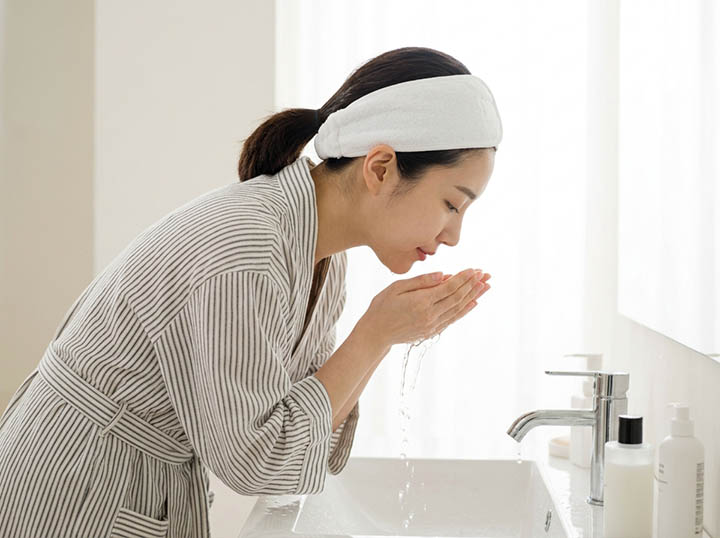
Why Koreans Care So Much About Skin Barrier Health
In Korea, skincare is treated more like long-term skin maintenance rather than quick fixes. The goal is healthy skin that stays strong through changing weather, pollution, stress, and aging.
Seoul’s climate actually plays a huge role in this philosophy. Winters are extremely dry, indoor heating strips moisture from the skin, and air pollution can easily trigger irritation. That’s why Korean dermatologists and skincare brands have become obsessed with strengthening the skin barrier instead of attacking the skin with overly aggressive treatments.
When your skin barrier is damaged, your face usually tells you immediately. Redness, burning, tightness, dehydration, flaking, and random breakouts are all classic signs. Many people think they need stronger products to fix these issues, but in reality, overusing acids and retinol is often what caused the damage in the first place.
That’s exactly why Korean skincare routines have shifted toward simpler, calmer routines built around hydration and recovery.
The Korean Ingredients Everyone Is Talking About Right Now
One thing K-beauty does exceptionally well is combining science-backed ingredients with lightweight textures that don’t overwhelm sensitive skin.
Ceramides are probably the biggest skincare trend in Korea right now. They help rebuild the skin’s natural protective barrier and prevent moisture loss. If you look at bestselling Korean moisturizers in 2026, most of them contain ceramide complexes.
Another ingredient you’ll constantly see is Centella Asiatica, also called Cica. Korean consumers love it because it calms inflammation without feeling heavy or greasy. It’s especially popular among people dealing with redness, acne irritation, or over-exfoliated skin.
Panthenol, madecassoside, beta-glucan, and hyaluronic acid are also dominating Korean skincare shelves right now because they focus on repairing and hydrating rather than stripping the skin.
What makes Korean formulations different from many Western products is balance. Instead of blasting the skin with extremely high concentrations of active ingredients, Korean skincare usually prioritizes consistency and low irritation.
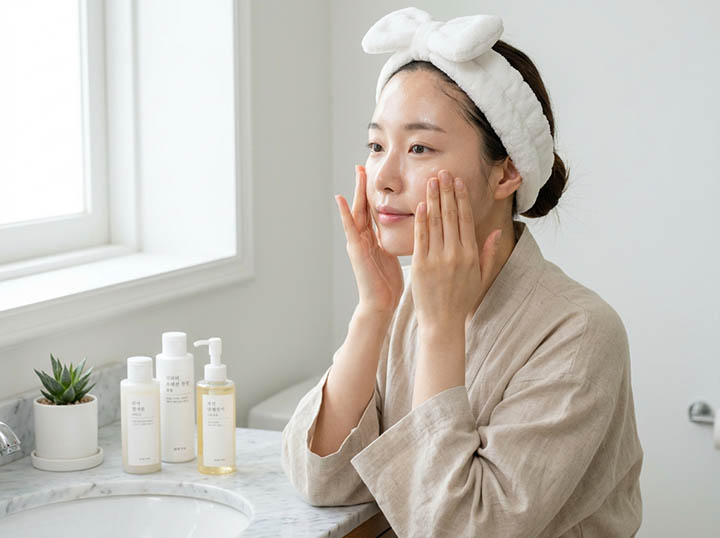
The Truth About the “10-Step Korean Skincare Routine”
Most Koreans do not use 10 skincare products every morning and night.
That stereotype became popular overseas because it sounded luxurious and trendy. In reality, many people in Korea now prefer “skinimalism” a simplified routine focused on a few high-quality products that actually support the skin barrier.
A typical Korean routine for sensitive skin usually looks like this:
- Low-pH cleanser
- Hydrating toner or essence
- Barrier repair serum
- Moisturizer with ceramides or cica
- Sunscreen during the day
That’s it.
Many Korean dermatologists even recommend taking “recovery nights” where you skip active ingredients completely and focus only on hydration and calming products.
Why Foreigners Are Switching to Korean Skincare
A lot of international skincare users are exhausted from harsh products that promise overnight transformations. That’s one of the biggest reasons K-beauty continues growing globally.
Korean skincare feels gentler, more comfortable, and easier to maintain long term. Instead of making your skin peel for dramatic results, it focuses on keeping your skin healthy enough to heal itself naturally.
Another reason is texture innovation. Korean moisturizers and serums often feel incredibly lightweight while still delivering deep hydration. That combination is especially appealing for people with sensitive or acne-prone skin who hate heavy creams.
There’s also a cultural mindset behind Korean skincare that many foreigners find refreshing. In Korea, skincare isn’t about perfection anymore. The current beauty trend is healthy, natural-looking skin with a soft glow rather than ultra-shiny “glass skin.”

What Actually Works for Sensitive Skin
If your skin barrier is damaged, the biggest mistake you can make is trying too many products at once.
Most Korean skincare experts recommend stripping your routine back to basics first. Focus on hydration, calming ingredients, and gentle cleansing for at least a few weeks before introducing stronger treatments again.
A properly repaired skin barrier can completely change your skin. Redness decreases, breakouts calm down, makeup sits better, and your skin stops feeling constantly irritated.
That’s the real reason Korean skincare became a global phenomenon. It’s not just marketing. The philosophy behind it actually makes sense for modern skin that’s overstressed from pollution, climate changes, and overcomplicated routines.