
Korean Mother-in-Law Culture Explained
For many foreigners dating or marrying Koreans, one of the biggest cultural surprises is not actually the relationship itself.
It is the family. More specifically, the mother-in-law. In Korean culture, family relationships are often much closer and more involved than many foreigners expect. Marriage is traditionally viewed not simply as a relationship between two individuals, but as a connection between two families.
Because of that, relationships with parents especially mothers can become emotionally important in ways that feel unfamiliar to outsiders. Foreigners who marry into Korean families often discover that understanding Korean mother-in-law culture is one of the most important parts of understanding Korean family life itself.
Some people experience warmth, support, and strong emotional bonds. Others struggle with pressure, expectations, or cultural misunderstandings. Most international couples eventually experience a mix of both.
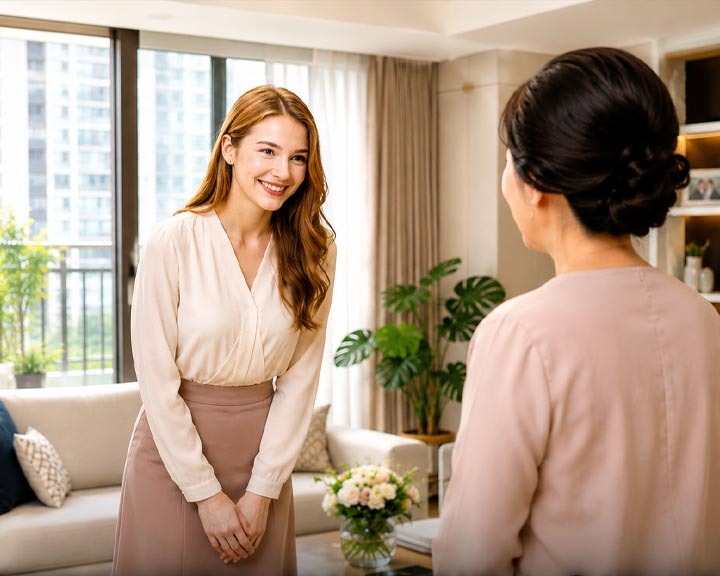
Family Relationships in Korea Are Extremely Close
One thing many foreigners notice immediately is how closely connected Korean families often remain even after adulthood. In many Western countries, independence from parents becomes important relatively early. Adult children often move out, make personal decisions independently, and maintain clearer boundaries with parents.
In Korea, however, family involvement tends to continue much longer. Parents may remain deeply involved in their children’s education, careers, finances, relationships, marriage decisions, and even parenting after grandchildren are born. For foreigners unfamiliar with this dynamic, the level of family closeness can feel surprising at first.
Many Korean mothers see supporting their children not as interference, but as an expression of love and responsibility. Understanding this difference helps explain many aspects of Korean mother-in-law culture.
The Traditional Korean Mother-in-Law Image Still Exists
Historically, Korean society was strongly influenced by Confucian traditions. In older generations especially, daughters-in-law were often expected to respect and support the husband’s family structure after marriage. Mothers-in-law sometimes held significant authority inside family relationships.
This traditional image still influences Korean culture today, even though modern Korea has changed dramatically. Foreigners who watch Korean dramas often see strict mothers-in-law portrayed in exaggerated ways. While real life is usually less dramatic, some traditional expectations still remain in certain families.
For example, older Korean parents may care strongly about manners, greetings, holiday visits, family roles, and relationship stability. Some foreign spouses initially misunderstand these expectations as personal criticism, when in reality they often come from generational cultural habits.
At the same time, younger Korean couples today increasingly create more independent relationships separate from traditional family pressure.

Korean Mothers Often Show Love Through Actions, Not Words
One important cultural difference many foreigners eventually notice is how Korean mothers commonly express affection. In many Korean families, love is often shown through actions rather than emotional conversation.
Cooking food, preparing side dishes, checking health, giving practical advice, buying necessities, or worrying constantly about family members are all common expressions of care.
To outsiders, this can sometimes feel overwhelming. Foreign spouses occasionally feel their Korean mother-in-law is too involved in daily life. But from the Korean parent’s perspective, these behaviors are often viewed as responsibility and affection rather than control. Many foreigners later say they gradually understood that concern and involvement are deeply connected inside Korean family culture.
Holidays Can Become a Major Cultural Experience
One of the biggest culture shocks for foreign spouses is often Korean holiday culture. Traditional holidays such as Chuseok and Seollal usually involve large family gatherings, food preparation, ancestral rituals, and extended time with relatives. For some foreign spouses, these holidays feel warm and meaningful. For others, they feel exhausting.
In older generations especially, women often carried much of the responsibility for holiday preparation. Although younger Korean couples increasingly divide responsibilities more equally today, remnants of traditional expectations still exist in some households.
Foreign wives sometimes say Korean holidays taught them more about Korean family culture than anything else. The amount of preparation, family interaction, and social etiquette involved can feel intense for people unfamiliar with Korean traditions.

International Marriages Add Another Layer of Complexity
In multicultural marriages, language and cultural differences naturally create additional challenges. Simple misunderstandings can easily happen.
A foreign spouse may interpret silence differently. A Korean parent may misunderstand direct communication styles. Expectations surrounding respect, privacy, childcare, or family involvement can vary significantly between cultures.
Many Korean parents also initially worry about communication barriers, cultural adaptation, or long-term stability when their children marry foreigners. However, over time, many international families gradually adjust to each other.
Foreign spouses who make efforts to learn Korean language and customs often build much stronger relationships with Korean in-laws. Likewise, many Korean parents slowly become more open-minded through direct experience with multicultural family life.
Modern Korean Families Are Changing Quickly
One important thing foreigners should understand is that Korean family culture is changing rapidly. Younger Koreans today generally value personal boundaries, emotional compatibility, and independence more than previous generations did.
Many modern Korean couples live separately from parents, divide household responsibilities more equally, and maintain more flexible family relationships.
The stereotype of the extremely controlling Korean mother-in-law does not reflect every family. Some Korean mothers-in-law are incredibly supportive, emotionally warm, and welcoming toward foreign spouses.
In fact, many multicultural families in Korea today function very naturally and peacefully. Still, traces of traditional hierarchy and family expectations continue influencing Korean relationships, especially when older generations are involved.
Why Korean Mothers Care So Deeply About Their Children’s Marriages
To understand Korean mother-in-law culture properly, foreigners also need to understand how emotionally invested many Korean parents become in their children’s futures.
In Korea, parents often sacrifice enormous amounts financially and emotionally while raising children. Education, housing, career preparation, and marriage are commonly viewed as lifelong family responsibilities rather than purely individual matters.
As a result, parents sometimes feel deeply connected to marriage decisions because they genuinely believe family stability affects everyone involved. This emotional investment can occasionally feel intrusive to foreigners used to more independent family systems. But in Korean culture, involvement often comes from concern rather than hostility.

Many Foreign Spouses Eventually Understand Korean Family Culture Differently
At first, some foreigners feel uncomfortable with how closely connected Korean families can seem. The constant communication, advice, concern, and involvement may feel overwhelming compared to what they experienced growing up.
But over time, many international spouses gradually develop a different perspective. They begin noticing the loyalty, support, sacrifice, and long-term commitment hidden beneath Korean family culture. Some foreign spouses eventually say Korean in-laws became one of the strongest support systems in their lives.
Others still struggle with cultural differences but learn how to create healthy boundaries while maintaining family respect. In the end, Korean mother-in-law culture is not simply about strict rules or stereotypes. It reflects a much deeper cultural value inside Korea itself the belief that family relationships remain important for life, even after children become adults.
And for foreigners entering Korean families, understanding that mindset often becomes the key to understanding Korea far beyond surface-level culture.